Never Clean Your Light Switches with Water! Here’s a Safe Trick to Make Them Spotless
Tips 04/12/2025 22:54
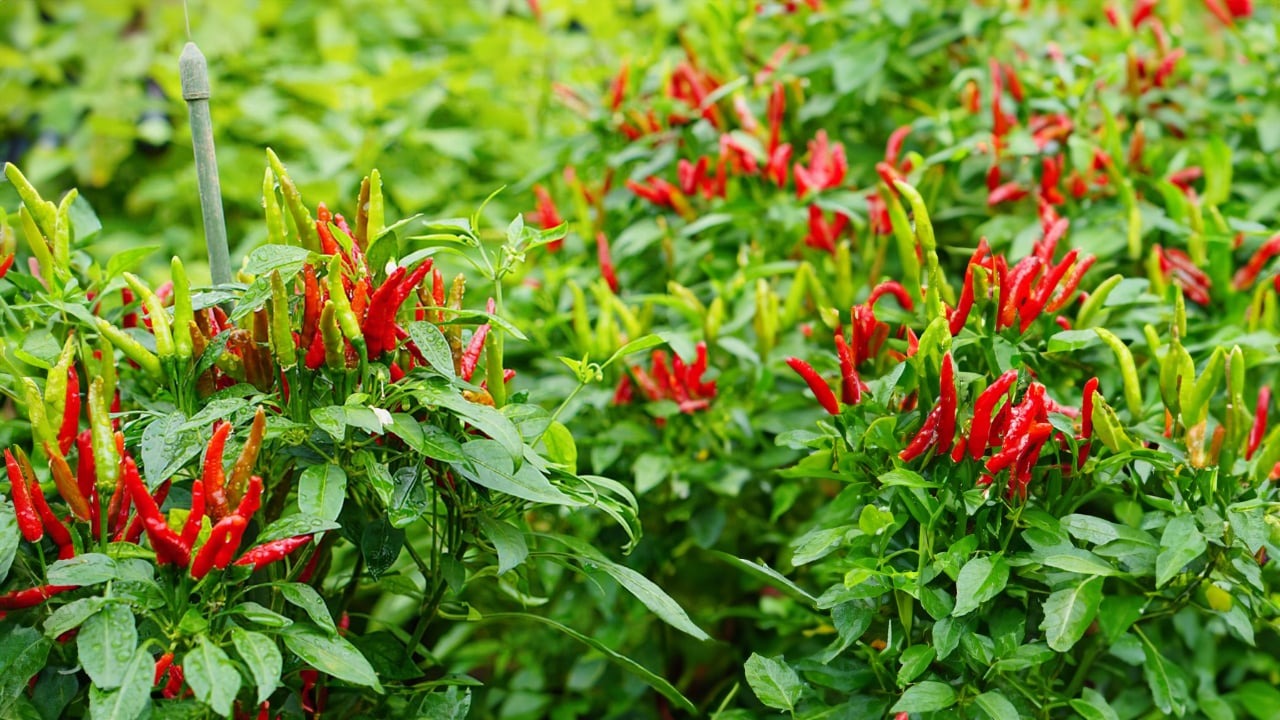
Chili peppers are among the easiest plants to grow at home. Whether you plant them in your backyard garden or in pots on a balcony, a few simple techniques can dramatically boost their yield. If you want branches full of large, vibrant chilies, don’t rely on plain water alone — try these proven methods to help your plants thrive.
Chili peppers belong to the nightshade family and originate from the Americas. Today, they’re grown worldwide and play an essential role in countless cuisines. From mildly spicy varieties to extremely hot ones, chilies come in many shapes and flavors.
Beyond culinary use, chilies also offer several health benefits. They can stimulate appetite, aid weight management, improve immunity, and help relieve cold and flu symptoms thanks to compounds like capsaicin.
Growing chilies isn’t difficult, but with the right care, you can dramatically increase their productivity. Here’s how to make your chili plants grow stronger and produce more fruit.
To help chili plants establish healthy roots and grow vigorously, pre-fertilizing the soil before planting is essential. Nutrient-rich soil provides a strong foundation and ensures the plants can absorb the minerals they need throughout their growth cycle.
You can use:
Well-composted chicken manure
Cow manure
Plant ash
Organic compost from kitchen scraps
Add these materials to the bottom of your pot or planting hole, then fill with soil and plant the seedlings on top. This slow-release nutrition helps the plants grow faster, greener, and more resilient.
Once your chili plants become sturdy and begin forming flower buds, it’s time to apply additional fertilizer to support the heavy fruiting stage.
You can use common household ingredients such as:
Organic compost
Diluted rice water
Crushed eggshells (rich in calcium)
Fermented kitchen waste solutions
These supplements provide essential nutrients like nitrogen, phosphorus, potassium, and calcium — all crucial for producing abundant, high-quality chilies. Feeding the plants during this stage helps them develop more flowers, reduces blossom drop, and encourages stronger fruit formation.
To ensure your chili plants remain healthy, green, and full of fruit, pay close attention to their growing conditions. Here are key points to remember:
Chilies grow best in light, well-draining soil such as sandy loam. They dislike waterlogged conditions, which can easily cause root rot and stunt growth.
The ideal germination temperature is 25–30°C (77–86°F). Under these conditions, chili seeds sprout quickly and produce vigorous seedlings.
Chilies do not tolerate drought well, so regular watering is necessary. However, overwatering is equally harmful.
→ Keep the soil moist but not soggy to prevent fungal issues and nutrient loss.
Chili plants require full sunlight to grow strong and produce fruit. Place them in a bright location where they receive 6–8 hours of direct light daily.
If your plants grow indoors or in areas with low insect activity, gently shake the stems or use a small brush to transfer pollen between flowers. This increases fruit set significantly.
When the plant reaches about 20–25 cm (8–10 inches) in height, you can prune the lower branches and some smaller side shoots. Pruning helps the plant become compact and encourages more flowers and fruits.
Once you pick the ripe chilies, apply another round of fertilizer and water the plant thoroughly. This helps it recover quickly and stimulates the next flush of flowers.
Chili plants are easy to grow, but with the right fertilizers, proper watering, enough sunlight, and a little pruning, you can transform an ordinary plant into a high-yielding one loaded with large, beautiful peppers. A bit of extra care goes a long way — and soon, you’ll be harvesting chilies continuously from your own garden.