Over 1,800 Lawsuits Filed Against Ozempic, Alleging Severe Side Effects and Misleading Marketing
Facts 18/12/2025 00:16
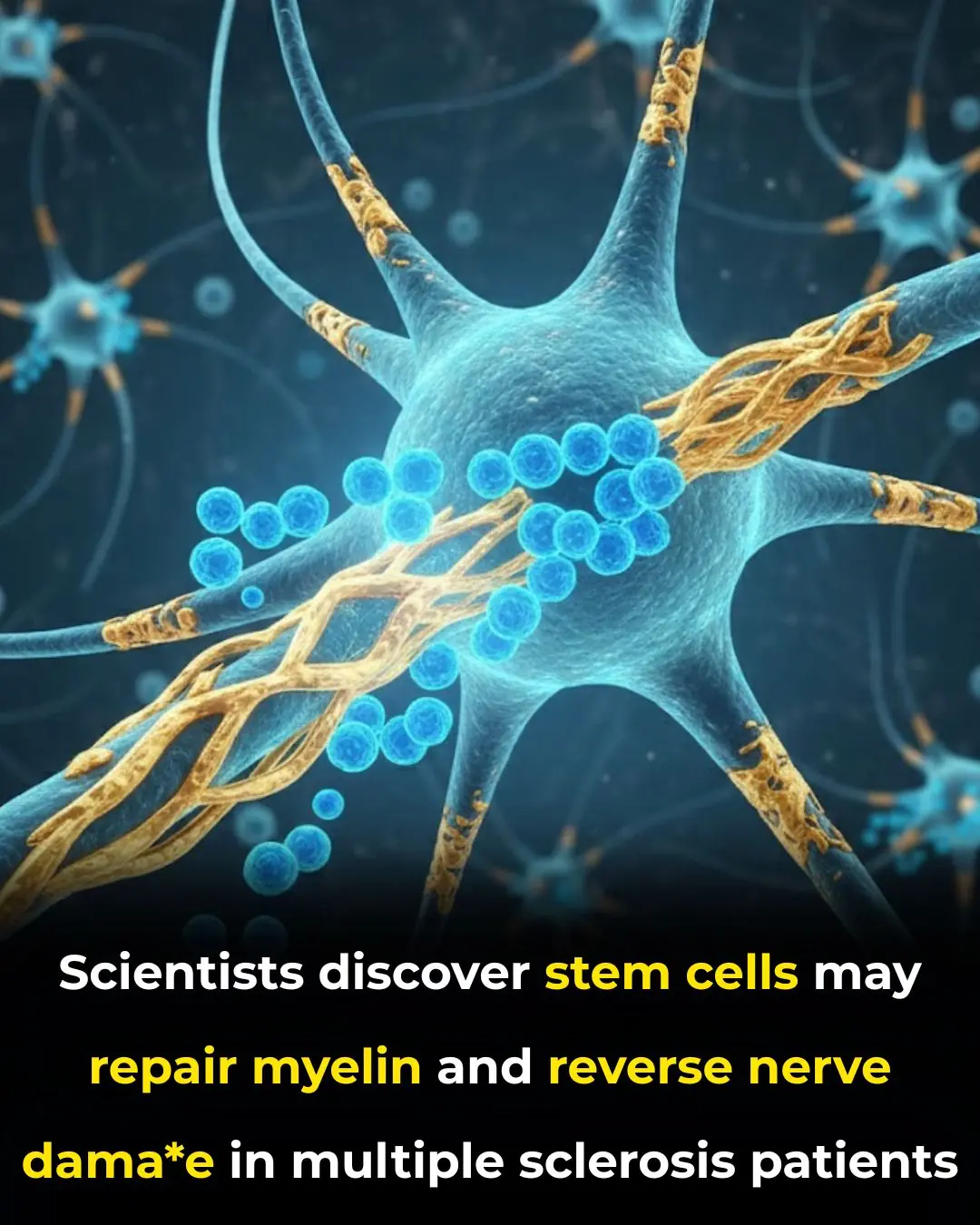
A groundbreaking discovery offers hope for patients living with multiple sclerosis (MS). Scientists have made a significant breakthrough in understanding how stem cells could potentially rebuild myelin, the protective sheath around nerves, and reverse the nerve damage caused by this debilitating autoimmune disease.
Multiple sclerosis is a condition in which the immune system mistakenly attacks myelin, resulting in disrupted nerve signals that lead to a range of symptoms such as muscle weakness, impaired coordination, fatigue, and cognitive difficulties. The immune response damages the myelin sheath, which impairs communication between the brain and other parts of the body. While current treatments primarily focus on managing the symptoms and slowing the progression of the disease, they cannot restore the damaged nerve tissue or repair the myelin. The introduction of stem cell therapy into the field of MS treatment represents a promising new approach by potentially promoting regeneration and repair at the cellular level.
Researchers have observed that stem cells, when properly stimulated, can differentiate into oligodendrocytes—the cells responsible for producing myelin. In laboratory experiments and animal models, these newly formed oligodendrocytes were able to repair damaged nerve fibers, restoring proper signal transmission and improving neurological function. The preliminary results from early clinical studies in MS patients have been encouraging, showing promising signs of symptom reduction and improved nerve health. However, while these initial findings are hopeful, further large-scale clinical trials are required to confirm the long-term effectiveness and safety of this treatment approach.
This discovery underscores the transformative potential of regenerative medicine in treating neurodegenerative diseases. By restoring myelin and repairing nerve damage, stem cell therapy could significantly improve mobility, coordination, and overall quality of life for those living with MS. Moreover, this breakthrough opens up new avenues for research into other conditions that involve nerve degeneration, such as spinal cord injuries, Alzheimer's disease, Parkinson's disease, and certain types of neuropathies. Stem cells offer a new avenue for potentially reversing damage in these conditions, which has long been considered irreversible.
Experts in the field caution that while the findings are exciting, they are still in the early stages of development. The next step will involve conducting more extensive clinical trials to assess the safety and long-term effects of stem cell therapy in MS patients. Additionally, researchers will need to determine the best methods for implementing stem cell treatments on a broader scale and in diverse patient populations.
One of the main challenges of stem cell therapy for MS lies in ensuring that the stem cells can be consistently directed to form the correct types of cells, such as oligodendrocytes, and that they are capable of functioning in the complex environment of the human nervous system. Researchers are also exploring how stem cells could be combined with other treatments, such as immune-modulating drugs, to create a comprehensive approach for managing MS.
While much research remains to be done, this breakthrough offers hope for those living with MS. Stem cells could offer not only symptom relief but also a chance at reclaiming functions that were once lost due to the disease. With continued advancements in stem cell technology and ongoing clinical trials, the future looks promising for MS patients and others suffering from neurodegenerative conditions.
Sources:
National Multiple Sclerosis Society. (2023). Stem Cell Therapy for MS: An Overview.
Journal of Neuroscience. (2023). Stem Cells and Myelin Repair: A Potential Treatment for Multiple Sclerosis.
Mayo Clinic. (2023). Stem Cell Therapy for Multiple Sclerosis: What You Need to Know.