Over 1,800 Lawsuits Filed Against Ozempic, Alleging Severe Side Effects and Misleading Marketing
Facts 18/12/2025 00:16
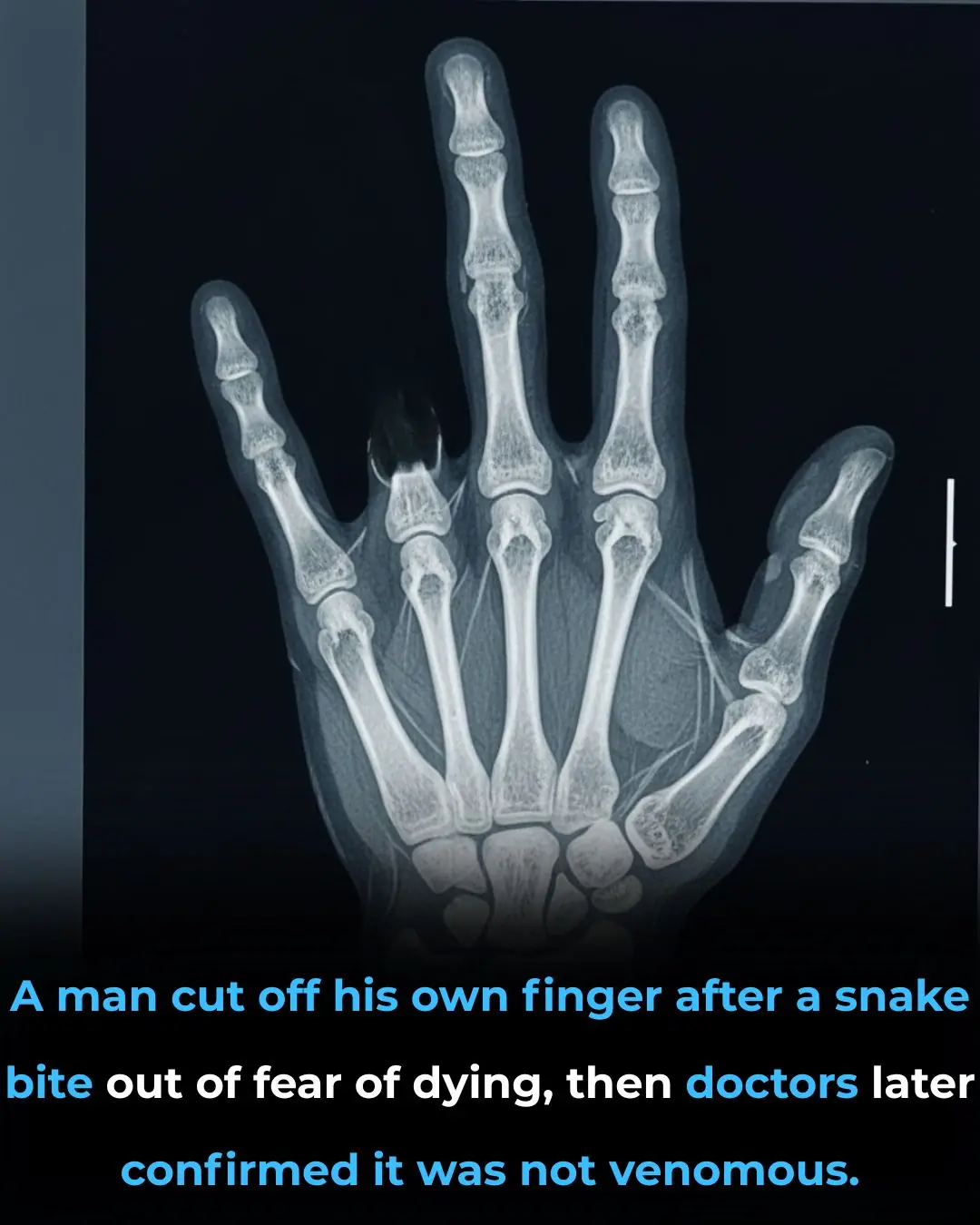
A man in China made the drastic decision to amputate his own finger after being bitten by a snake, fearing it was venomous. However, doctors later confirmed that the snake was harmless. According to reports from ScienceAlert, the incident occurred when 60-year-old farmer Zhang was working in the Shangyu district of Zhejiang province. He was bitten on his finger by a snake and, in a state of panic, he believed it to be a "five-step snake." Local legend holds that this species is so dangerous that a person who is bitten can die within five steps of the bite.
Terrified by the thought of impending death, Zhang decided to cut off the affected finger in an attempt to prevent any venom from spreading through his body. This decision was influenced by a deep-rooted belief in the myth surrounding the "five-step snake." After the self-amputation, Zhang quickly sought medical attention and was rushed to the hospital. Upon examination, doctors identified the snake as non-venomous, much to Zhang's relief. According to Fox News, the medical staff reassured him that his actions had been unnecessary and that the bite posed no significant threat to his health.
This incident underscores the impact that fear and misinformation about wildlife can have on people's decision-making, particularly in rural areas where myths and folklore about animals can be pervasive. Zhang’s case is a stark reminder of how deeply ingrained superstitions and lack of accurate information can lead to extreme actions, even in life-threatening situations.
In rural parts of China, there remains a strong belief in certain myths about dangerous animals, which can often lead to unnecessary panic. The "five-step snake" myth is one of the most well-known, with many people fearing it because of its association with death in local stories. Despite modern medical knowledge, these traditional beliefs continue to influence the behavior of individuals in rural communities.
Experts have noted that such superstitions are often exacerbated by limited access to accurate information about wildlife and the growing presence of online misinformation. In some areas, myths about venomous snakes and other dangerous creatures can spread quickly, fueling fear and leading to irrational decisions. Education and awareness campaigns are crucial in dispelling these myths and providing people with the knowledge to react appropriately in such situations.
This case also brings attention to the importance of having proper medical knowledge and first-aid training, especially for those living in areas with limited access to healthcare. A calm and informed response in emergencies could prevent unnecessary harm and could help people avoid making life-altering decisions based on fear.
Ultimately, while Zhang's decision was based on a well-established myth, it is clear that a better understanding of venomous and non-venomous snakes could have prevented the unnecessary amputation. It serves as an important lesson about the dangers of misinformation and the need for greater public education on wildlife safety.
Sources:
ScienceAlert - ScienceAlert article on the incident
Fox News - Fox News report on the snake bite incident