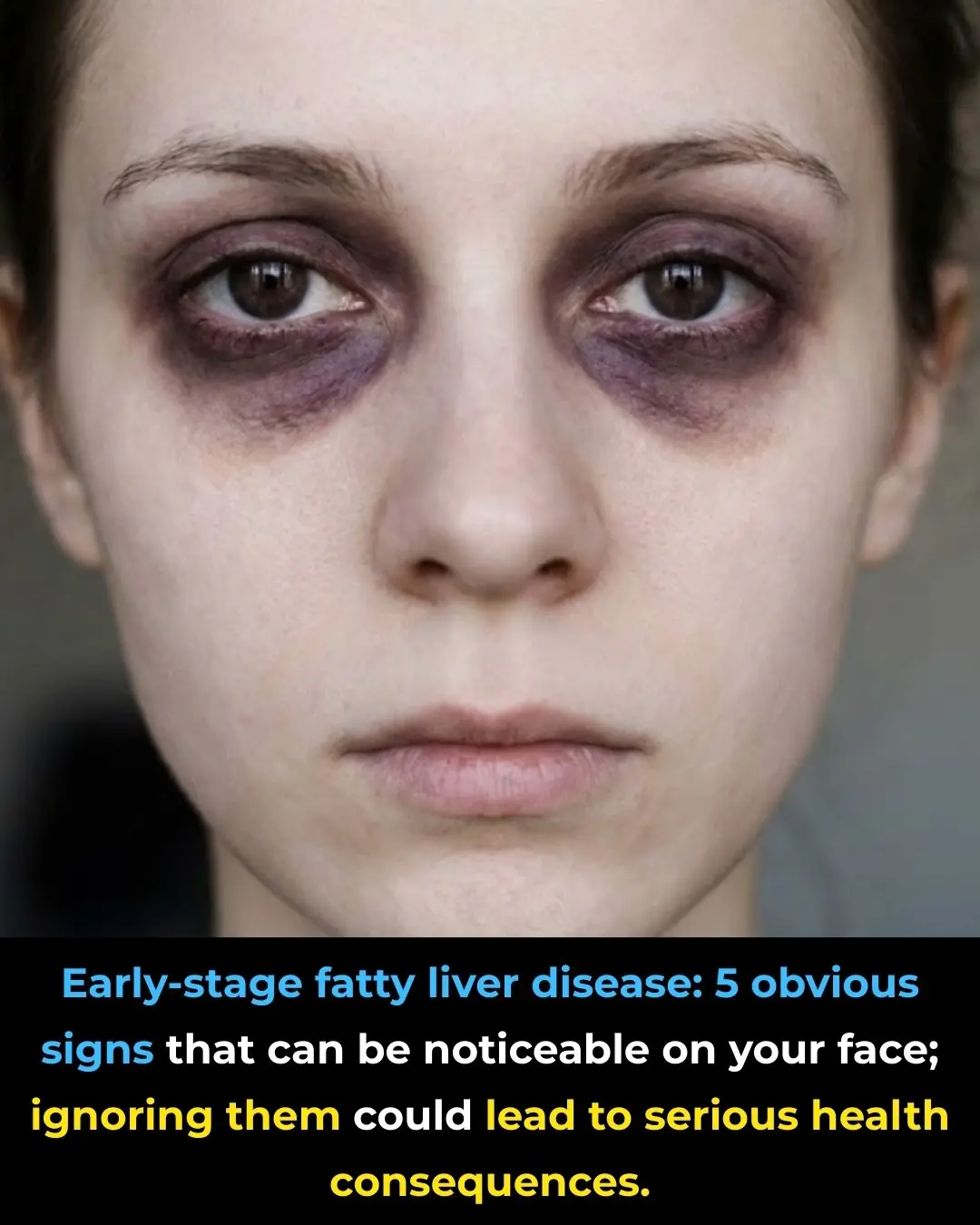
Early-stage fatty liver disease: 5 obvious signs that can be noticeable on your face; ignoring them could lead to serious health consequences
Health 13/01/2026 17:18
Scientific Evidence Shows That Love and Human Connection Are Essential for Physical Health
Modern science increasingly confirms what many people have intuitively believed for generations: love is not only an emotional experience but a powerful contributor to physical health. Across psychology, neuroscience, and medicine, researchers have found that meaningful relationships can lower stress levels, reduce physical pain, strengthen the immune system, and even extend life expectancy. Human connection is therefore far more than a romantic ideal; it is a fundamental biological need that supports our physical survival in ways comparable to food, water, and sleep.
Biologically, human beings are wired for bonding. As mammals, our brains have evolved complex neurochemical systems designed to support social connection. Hormones such as oxytocin and vasopressin play central roles in attachment, trust, and caregiving behaviors. Oxytocin, commonly released during affectionate physical touch or emotionally supportive interaction, helps reduce stress responses, supports cardiovascular health, and can decrease inflammation in the body. Research from the National Institutes of Health and the American Psychological Association has shown that people with strong emotional bonds tend to experience lower cortisol levels, which protects the heart and immune system from chronic wear and tear.
While dopamine fuels the initial excitement of attraction, the long-term health benefits arise from stable, secure relationships. Studies suggest that people in supportive partnerships often have lower blood pressure, improved sleep quality, healthier body weight regulation, and better cognitive performance over time. Long-term bonding triggers biological pathways that act like a natural buffer against aging and the physical toll of daily stress. Evidence from the American Heart Association indicates that affectionate behaviors such as hugging, holding hands, or engaging in close conversation can calm the nervous system and promote healthier heart function.
Conversely, the biological importance of love means that its absence can produce serious physical consequences. When relationships are disrupted through betrayal, separation, or grief, the body’s stress systems can become overactive, flooding the bloodstream with cortisol and adrenaline. Prolonged activation of these stress hormones is associated with weakened immunity, digestive problems, weight changes, and elevated risk of heart disease. In some cases, intense emotional shock may trigger “Broken Heart Syndrome,” a real medical condition that closely resembles a heart attack and temporarily weakens heart muscle function. Medical research has documented this condition most often after sudden loss or extreme emotional trauma.
The current global rise in loneliness highlights the urgency of understanding these effects. Major health organizations, including the World Health Organization and the U.S. Surgeon General, have identified loneliness and social isolation as growing public-health risks. They are linked to higher mortality rates, increased risk of dementia, sleep disturbances, depression, and cardiovascular disease. Scientists now view chronic loneliness as comparable to other major risk factors such as smoking or obesity in terms of its impact on long-term physical health.
Love and connection do not only occur in romantic relationships. Friendships, family ties, community belonging, and even compassionate daily interactions can produce similar biological benefits. Acts of kindness, emotional support, and shared positive experiences stimulate the same neurochemical systems responsible for bonding. In this sense, love should be understood broadly—not limited to romance, but encompassing the full spectrum of human empathy and connection.
In conclusion, love is far more than a poetic or sentimental concept. It is a biologically grounded force that shapes the functioning of the human body. By regulating stress hormones, supporting immune and cardiovascular systems, improving sleep and cognition, and protecting us against the damaging effects of isolation, love acts as an essential component of health. Prioritizing deep, enduring human relationships is therefore not only an emotional decision but a key foundation for long-term physical well-being.
Main sources referred to in this article (without links):
• American Psychological Association – Research on love, stress, and health
• National Institutes of Health – Social connection and immune function
• American Heart Association – Effects of social bonding on heart health
• World Health Organization – Reports on loneliness and public health
• U.S. Surgeon General – Advisory on the epidemic of loneliness and isolation