Turmeric dosage: this is how much turmeric you actually need to eat for arthritis, cancer and other diseases
Health 04/12/2025 12:48
Anxiety disorders are the most prevalent form of mental illness, affecting approximately 18% of the American population alone. These disorders develop as a result of a complex interplay of factors, including personality, brain chemistry, genetics, and life experiences. Anxiety disorders frequently go hand-in-hand with depression, compounding the effects of both conditions on mental health.
Understanding Panic Disorder
Panic disorder is a specific type of anxiety disorder that manifests through sudden and intense panic attacks. These attacks often occur without any actual danger but are triggered by perceived threats, which can feel just as overwhelming.
Physical Symptoms of Panic Disorder
The symptoms of panic disorder are distinct and can be quite alarming, including:
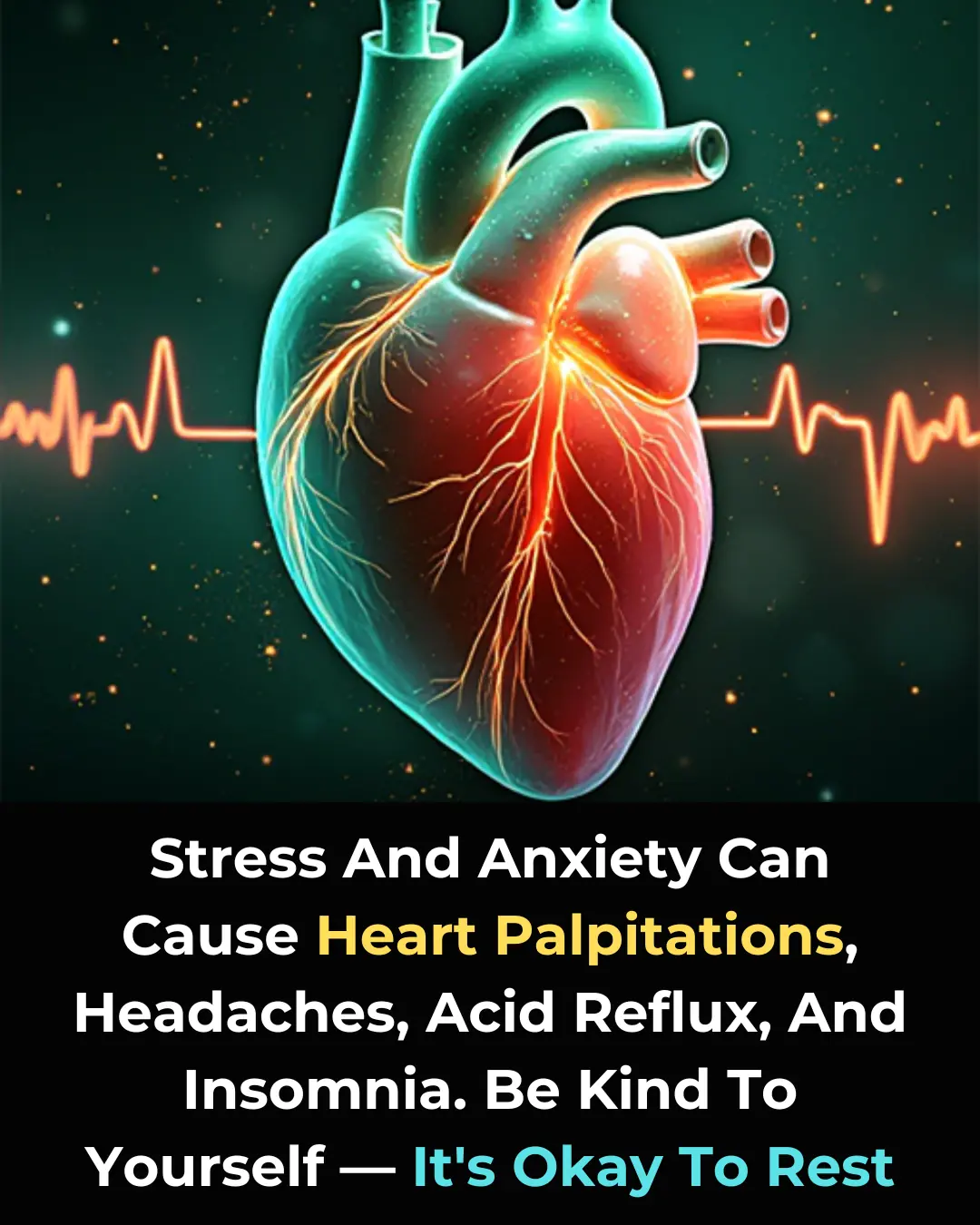
Fast heartbeat or palpitations
Chest or stomach pain
Difficulty breathing—shortness of breath or feeling smothered
Weakness or dizziness
Sweating
Sensations of feeling hot or experiencing a cold chill
Tingling or numb hands
Hyperventilation
Trembling or shaking
These symptoms can be distressing and may leave individuals feeling uncertain about their health, making panic attacks a debilitating experience. While it is often impossible to control the events that occur in our lives, how we respond to life’s challenges has a significant impact on our overall well-being.
The Link Between Diet and Mental Health
In recent years, studies have shown that diet plays a direct role in influencing mental health, including conditions like anxiety and depression. A balanced and nutritious diet can positively affect brain chemistry, potentially helping to alleviate symptoms of anxiety disorders.
Serotonin, often referred to as “the happiness hormone,” is a neurotransmitter produced by both the brain and the gut. It plays a crucial role in regulating mood, promoting feelings of calm, and maintaining overall well-being. Many antidepressants work by stimulating the production of serotonin to help stabilize mood and mental health. This essential chemical not only functions as a hormone in the gut but also acts as a neurotransmitter in the brain, influencing mood and cognitive function.
The Role of Tryptophan in Serotonin Production
Tryptophan, an essential amino acid, is required for the synthesis of serotonin. Found in a variety of foods, including fruits, vegetables, seeds, and animal products, tryptophan is crucial for maintaining healthy serotonin levels. Research has shown that insufficient intake of tryptophan can result in reduced serotonin production, which directly lowers mood and can impair memory function. Without enough serotonin, individuals may experience various unpleasant symptoms, including anxiety, depression, and cognitive issues.
Additional Co-Factors in Serotonin Synthesis
Other nutrients also play important roles in the synthesis of serotonin, including vitamin B6 and iron. A study conducted at Okayama University Graduate School of Medicine, Dentistry, and Pharmacological Sciences found significant deficiencies in both B6 and iron in patients who presented with panic attacks and hyperventilation in the emergency department.
Vitamin B6 and Iron: Essential Nutrients for Mental Health
Vitamin B6 is essential for the enzymes that metabolize proteins, including amino acids like tryptophan. This nutrient is also crucial for the synthesis of heme, the iron-containing component of hemoglobin. Without sufficient B6 and iron, the body may not produce enough hemoglobin, which is necessary for transporting oxygen through the blood. Low levels of hemoglobin can lead to feelings of fatigue and shortness of breath, further exacerbating symptoms of anxiety and panic.
The correlation between nutrition and mental health is undeniable and measurable. A balanced diet that supports serotonin production and overall brain function can help mitigate the symptoms of anxiety disorders. Here are some foods to include in your daily routine that are rich in the essential nutrients needed to optimize serotonin production and improve mental health.
Tryptophan-Rich Foods:
Tryptophan is an essential amino acid that helps boost serotonin production. Here are some top food sources of tryptophan:
Cauliflower
Cheese
Chia seeds
Cucumber
Eggs
Fish, including shellfish
Grapefruit
Leafy greens
Mushrooms
Oat bran
Pineapple
Pistachio nuts (also rich in B6)
Potatoes
Pumpkin and pumpkin seeds
Quinoa
Sesame seeds
Soy (in moderation, ensuring it’s organic)
Spinach
Sweet potatoes
Tomatoes
Turkey and other poultry
Walnuts
Warm milk
Watercress
Vitamin B6-Rich Foods:
Vitamin B6 is another crucial nutrient that supports serotonin production. Consider adding these foods to your diet:
Asparagus
Avocado
Bananas
Beans
Broccoli
Cashews
Carrots
Garlic
Hazelnuts
Lentils
Meats (beef, pork, poultry, fish)
Molasses
Oatmeal
Peas
Peanuts
Quinoa
Red bell pepper
Spinach
Sweet potatoes
Sunflower seeds
Tempeh
Turnip greens
Wheat germ
Iron-Rich Foods:
Iron is essential for the production of hemoglobin, which transports oxygen through the body. To support iron levels and overall health, include these iron-rich foods in your diet:
Dried apricots
Beans
Cashews
Dark leafy greens (kale, turnip and beet greens, spinach)
Eggs
Lentils
Meats
Molasses
Peas
Prunes
Quinoa
Oats
Raisins
Raw cocoa
Soy
Spirulina
Teff
Tomatoes
White beans
By consuming a variety of these foods, you can help support serotonin production, which is essential for reducing anxiety and improving overall mental health.
While diet is just one component of the complex puzzle of mental health, it is something we have direct control over. By making informed dietary choices, particularly those rich in tryptophan, vitamin B6, and iron, you can significantly improve your mental well-being. Though no single food will magically eliminate anxiety, a balanced and nutrient-dense diet can go a long way in alleviating symptoms and enhancing quality of life. Start incorporating these foods into your daily routine, and watch as your mental health improves—naturally and steadily.