Most Doctors Won’t Tell You, But This Can Cut Heart Attack & Stroke Risk By 80%
Health 07/01/2026 21:21
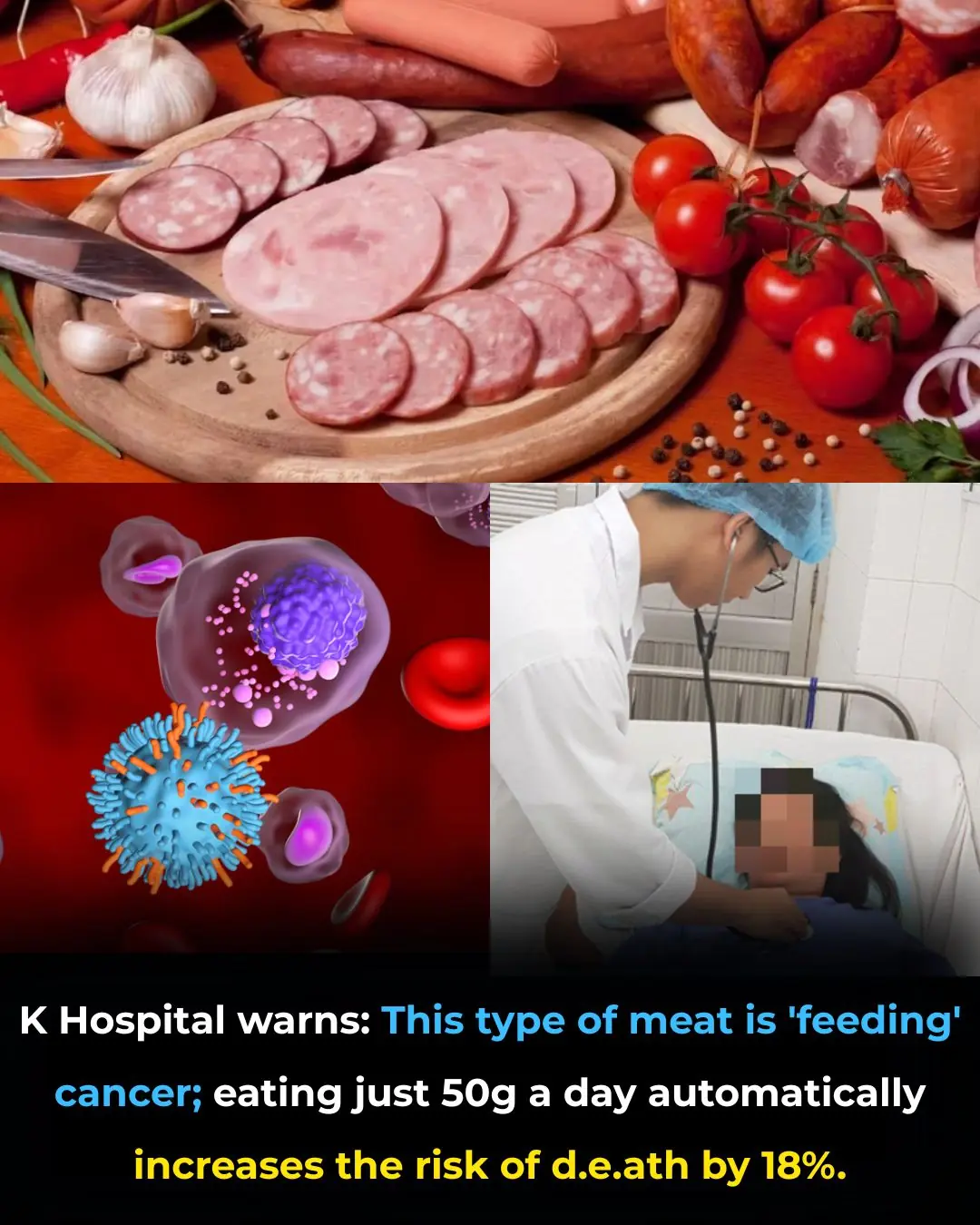
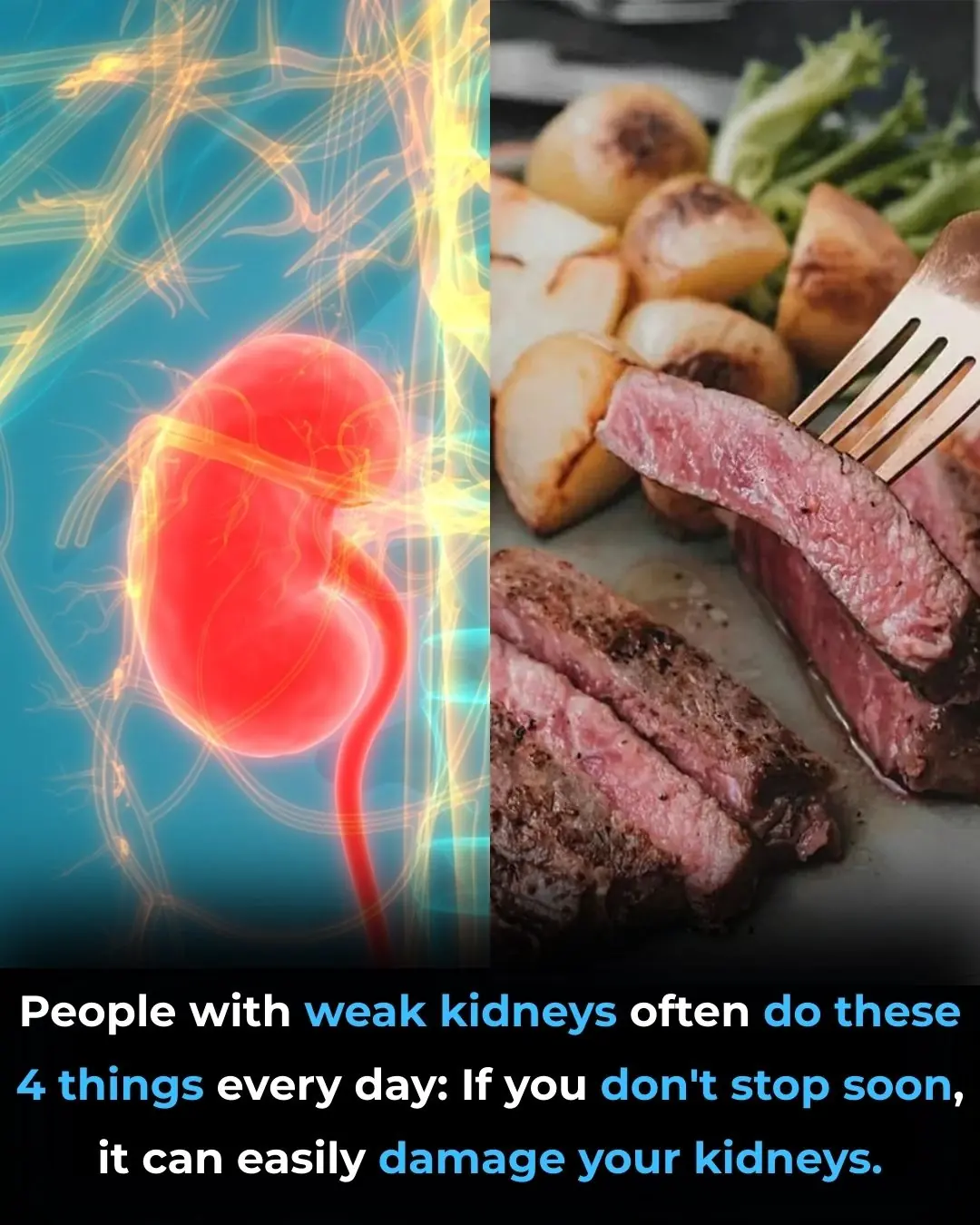
Doctors from K Hospital have warned that frequent consumption of red meat and processed meat may significantly increase the risk of cancer. These foods are not only associated with colorectal cancer but are also linked to other serious cancers, including esophageal, lung, pancreatic, endometrial, and stomach cancer.
According to research conducted by the World Cancer Research Fund (WCRF), high intake of unprocessed red meat and processed meat is strongly associated with an increased risk of colorectal cancer. Specifically, consuming an additional 50 grams of processed meat per day increases cancer risk by approximately 18%, while consuming an additional 100 grams of unprocessed red meat per day increases cancer risk by about 17%.
Nitrites and nitrates are commonly added to processed meat as preservatives. These substances can increase exposure to nitrosamines, N-nitroso compounds, and their precursors. Diets high in N-nitroso compounds have been linked to an increased risk of cancer, particularly cancers of the digestive tract.
For example, findings from the EPIC-Norfolk study showed that higher intake of N-nitrosodimethylamine was associated with a 1.13-fold increase in gastrointestinal cancer risk and a 1.46-fold increase in colorectal cancer risk.
Processed meats are often high in salt, which is considered a significant risk factor for stomach cancer. Excessive salt intake can damage the gastric mucosa, promote the formation of endogenous N-nitroso compounds, interact synergistically with gastric carcinogens, and increase susceptibility to Helicobacter pylori infection.
Red meat contains high levels of heme iron, which can promote oxidative stress in the body. This process may increase lipid peroxidation, lead to protein modification, and cause DNA damage. In addition, heme iron can enhance the formation of endogenous N-nitroso compounds, as it is easily nitrosated and acts as a nitrosating agent.
Data from the European Prospective Investigation into Cancer and Nutrition (EPIC) study further indicate that the formation of endogenous N-nitroso compounds resulting from the consumption of red and processed meat is associated with an increased risk of stomach cancer.
Several epidemiological studies have also identified a link between diets high in heterocyclic amines and polycyclic aromatic hydrocarbons—compounds formed during high-temperature cooking of meat—and increased risk of various cancers. These compounds are particularly associated with colorectal adenomas and colorectal cancer.
Based on the available scientific evidence, the World Cancer Research Fund recommends limiting red meat consumption to less than 500 grams per week and consuming little or no processed meat in order to reduce the risk of cancer.
While meat can be an important source of nutrients, excessive consumption—especially of processed and red meat—poses significant long-term health risks. Adopting a balanced diet with moderated meat intake and healthier cooking methods is an important step in cancer prevention.