Most Doctors Won’t Tell You, But This Can Cut Heart Attack & Stroke Risk By 80%
Health 07/01/2026 21:21
New Breakthrough Ebola Drug Shows Promising Results in Monkey Trials, Could Save Lives Worldwide
A major scientific breakthrough could revolutionize how we combat one of the deadliest viruses known to humanity. Recent research suggests a newly developed drug is highly effective in treating the Ebola virus—despite the disease’s notorious mortality rate, which can reach up to 90%.
Diseases like Ebola have long posed a critical threat to global health. With previous outbreaks in West Africa and Central Africa claiming thousands of lives, the need for effective treatments has never been more urgent. Between 2013 and 2016, an Ebola outbreak in West Africa resulted in 11,325 deaths out of approximately 28,600 confirmed cases. Another outbreak between 2018 and 2020 in the Democratic Republic of Congo and Uganda led to 2,299 fatalities among 3,481 reported infections.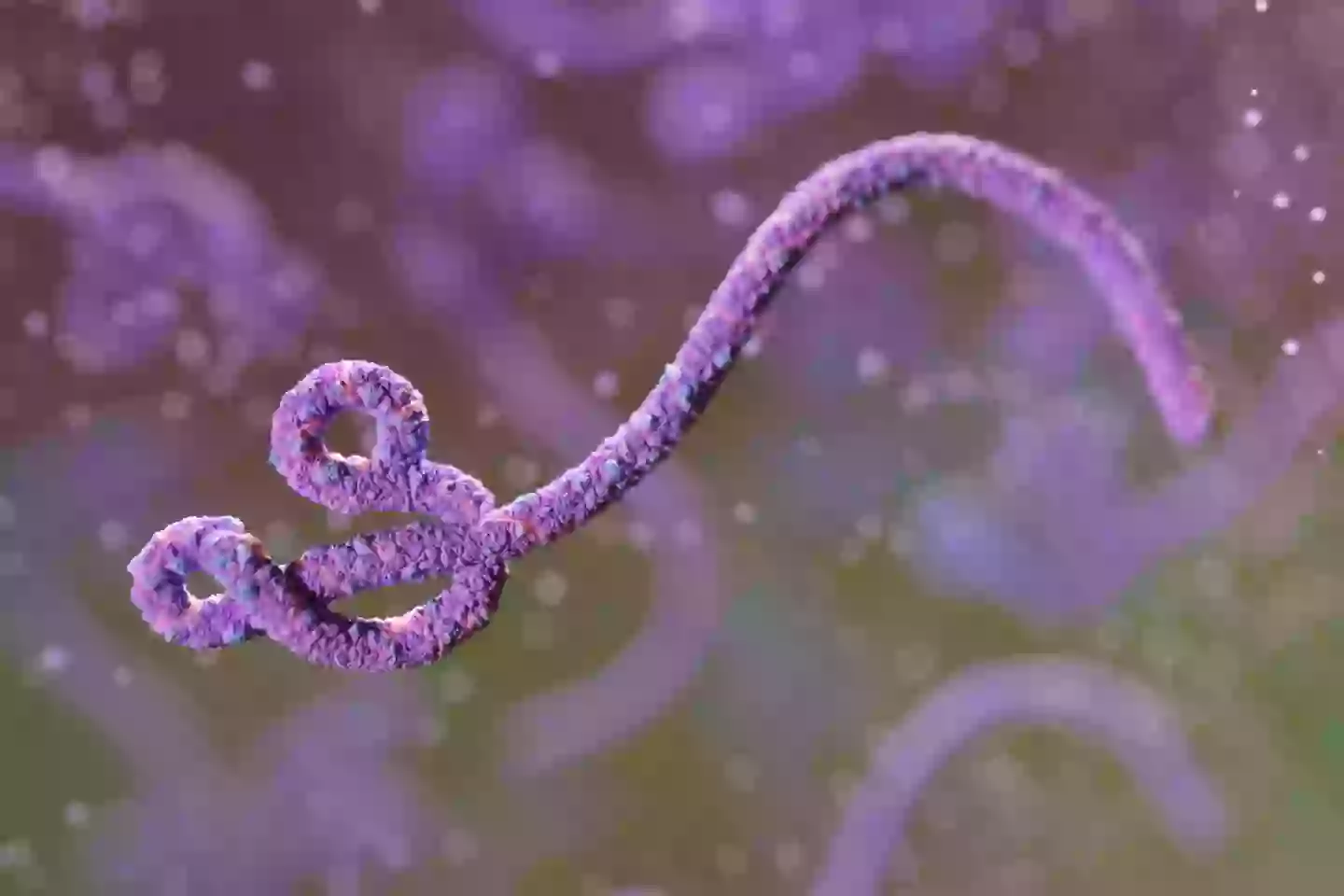
Ebola remains one of the most lethal viruses affecting both humans and non-human primates. But scientists may have finally found a powerful countermeasure.
Published in the journal Science Advances, a groundbreaking new study introduces a promising antiviral treatment: obeldesivir, or ODV. This oral medication demonstrated high efficacy when administered to monkeys within 24 hours of Ebola virus exposure.
Earlier research had shown that ODV could combat RNA viruses in the filovirus family, which includes Ebola. However, these earlier efforts mostly used intramuscular injections, making the treatment logistically difficult in outbreak zones. The new study took a different approach, opting for oral administration—simplifying dosage and distribution significantly.
In a controlled trial, researchers infected ten macaques (five rhesus macaques and five crab-eating macaques) with the Ebola virus. Each animal received the ODV treatment within 24 hours, followed by a daily dose for roughly 10 days. The results were extraordinary: 100% of the rhesus macaques survived, and 80% of the crab-eating macaques also pulled through.
Further analysis revealed that the treated monkeys exhibited enhanced immune responses. Specifically, they had elevated levels of proteins that help activate T cells—key players in the body’s defense system. Additionally, anti-inflammatory effects were noted, which likely contributed to the animals’ recovery.
Beyond its impressive survival rate, ODV also brings a practical advantage: it’s oral. That alone marks a major step forward in fighting Ebola in remote or under-resourced regions.
According to the research team, “For outbreak response, oral antivirals might present substantial advantages over currently approved intravenous drugs, such as easier supply chains, simpler storage requirements, and more accessible administration.”
This development echoes recent pharmaceutical shifts—such as the growing interest in how common, easy-to-administer medications like aspirin might reduce the spread of cancer. The key idea: the more accessible and affordable a drug is, the more lives it can potentially save.
Researchers are also optimistic about the broader potential of ODV. Since it targets a family of viruses, it could prove effective beyond just Ebola. The study states, “These results support the potential of ODV as an oral post-exposure prophylactic with broad-spectrum activity across filoviruses.”
If proven effective in humans, ODV could mark a turning point in how we respond to viral outbreaks, particularly in regions that have historically lacked access to fast and efficient treatment.
Further testing is expected, and human clinical trials may be on the horizon. If successful, this drug could become an indispensable part of global epidemic response efforts—offering real hope in the fight against some of the world’s deadliest pathogens.