I came home eleven days early that June, and the only reason I came home early was a cracked weld on a ballast line that nobody wanted to sail on until it was fixed. That's the truth of it. I'd like to tell you I had a feeling, some father's instinct pulling me up the hill from the harbor, but I didn't. I had a duffel bag, a sunburn on the back of my neck, and a plan to surprise my wife and kids at the school picnic, because the picnic was on the family calendar Carly kept on the refrigerator and on the shared calendar on my phone, and I had looked at that square for six weeks from the engine room of a thousand-foot ore boat thinking, I'm going to miss that one too.
My name is Galen Ostlund. I was thirty-nine that summer. For fourteen years I worked on the Great Lakes freighters, the long red-and-black boats that carry taconite pellets out of Two Harbors and Duluth down to the steel mills at Gary and Indiana Harbor and back, around and around, March to January, like a needle threading the same hole. I started as a wiper, which is the lowest job in an engine room, the one where you clean up everything everybody else spills, and I worked my way to second assistant engineer on a boat called the Mesabi Pride. Sixty days on, thirty days off, more or less, depending on the weather and the season and how badly the company needed bodies.
So I want to be honest at the start about what kind of father I was, because a lot of what happened that day makes me look good, and I wasn't good. I was absent. I was a voice on the phone at nine at night, Central time, from somewhere off Port Huron or up in the St. Marys River, asking how everybody was and taking whatever answer I got. In between, I was a guest in my own house. I knew which cupboard held the cereal. I did not always know which cereal my daughter would eat.
We lived on the east side of Duluth, in the Lakeside neighborhood, in a story-and-a-half house on Robinson Street. You could see a slice of Lake Superior from the upstairs bathroom window if you stood on the edge of the tub. Our kids went to Lakeview Elementary, six blocks up the hill, a brick building from 1951 with a newer gym stuck to the side like an afterthought and a big sloping field behind it where the fog came up off the lake on spring mornings and sat in the soccer goals.
Finn was turning six that day. June fifth. His birthday had always been a big deal in our house, and I understood why, or I thought I did. Finn was born with a heart defect called tetralogy of Fallot, which is a name I learned to say the way you learn to say the name of a man who has robbed you. Four things wrong with one small heart. He was blue when he cried. At four months old they opened his chest at the children's hospital in Minneapolis and fixed what they could, and when he was three they went back in to replace a valve, and in between there were a hundred appointments and a thousand nights when Carly sat up listening to him breathe. I was on the boat for a lot of those nights. Carly was not. Carly was there for every one of them, with a pulse oximeter clipped to his toe and a notebook where she wrote down his numbers in a handwriting that got smaller every month.
By that summer Finn was fine. That's what the cardiologist said, with a kind of happy shrug, at his checkup in April. Fine. He'd need to be watched, he'd need checkups every year for the rest of his life, he might need another valve when he was a teenager. But he could run and climb and play soccer and be a regular kid. He was a regular kid. He was a loud, funny, sticky, bossy little boy with a white scar down the middle of his chest that he liked to show people, and I loved him the way you love something you almost lost.
And then there was Elsie.
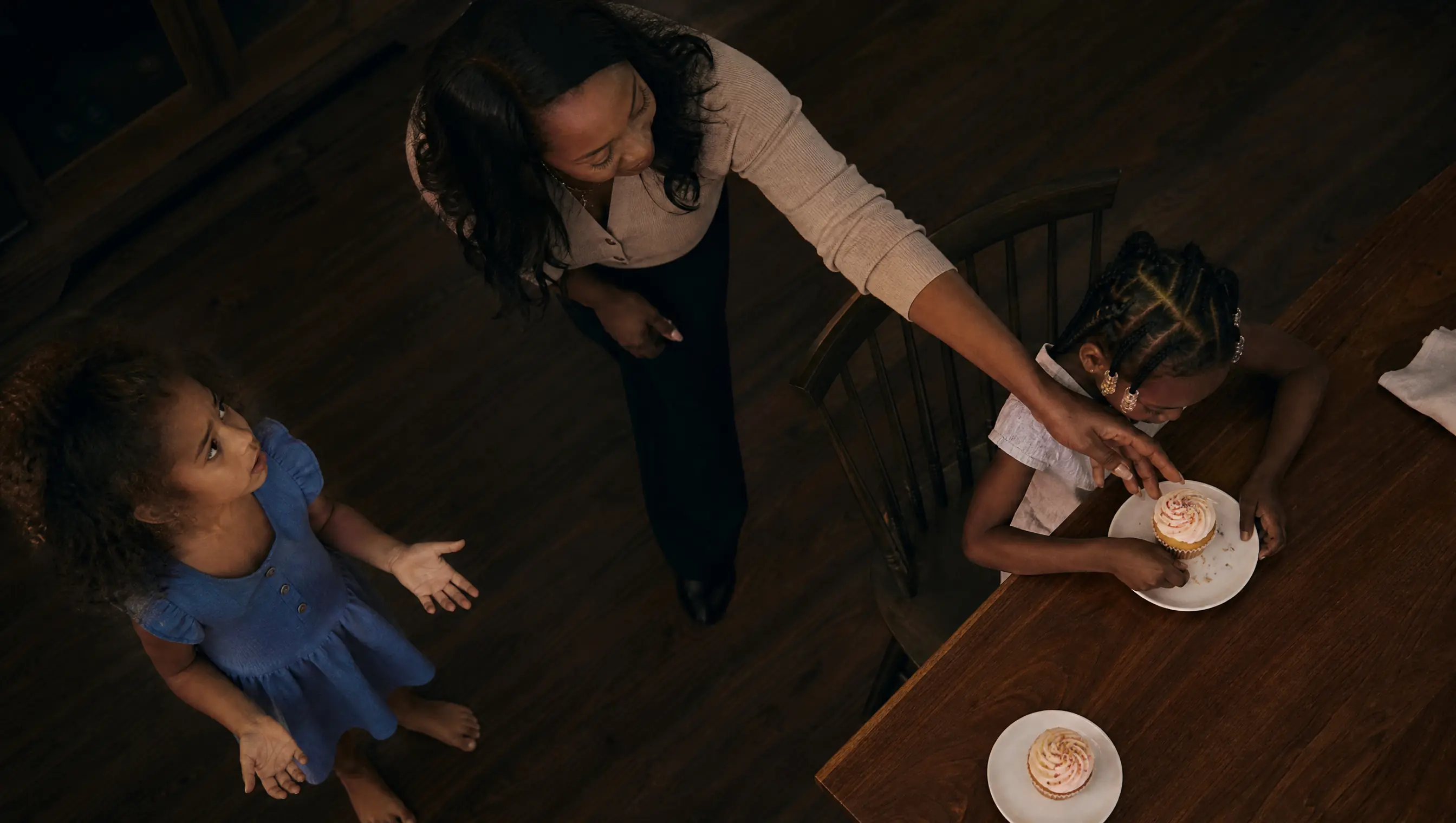
Elsie was seven, almost eight. Her birthday is in August, which in our house had always meant it got folded into the end of summer, into the last week before I went back out, into whatever we were already doing. Elsie was two when Finn was born. She was two and a half when he had his first surgery, and she spent that month with my mother in Cloquet, and when she came home she didn't cry, she didn't ask for anything, she just went upstairs and lined up all her stuffed animals on her bed and put them to sleep, one by one, with a little pat on each head. My mother told me later she'd done the same thing every night in Cloquet. Put them all to sleep. Made sure everybody was covered.