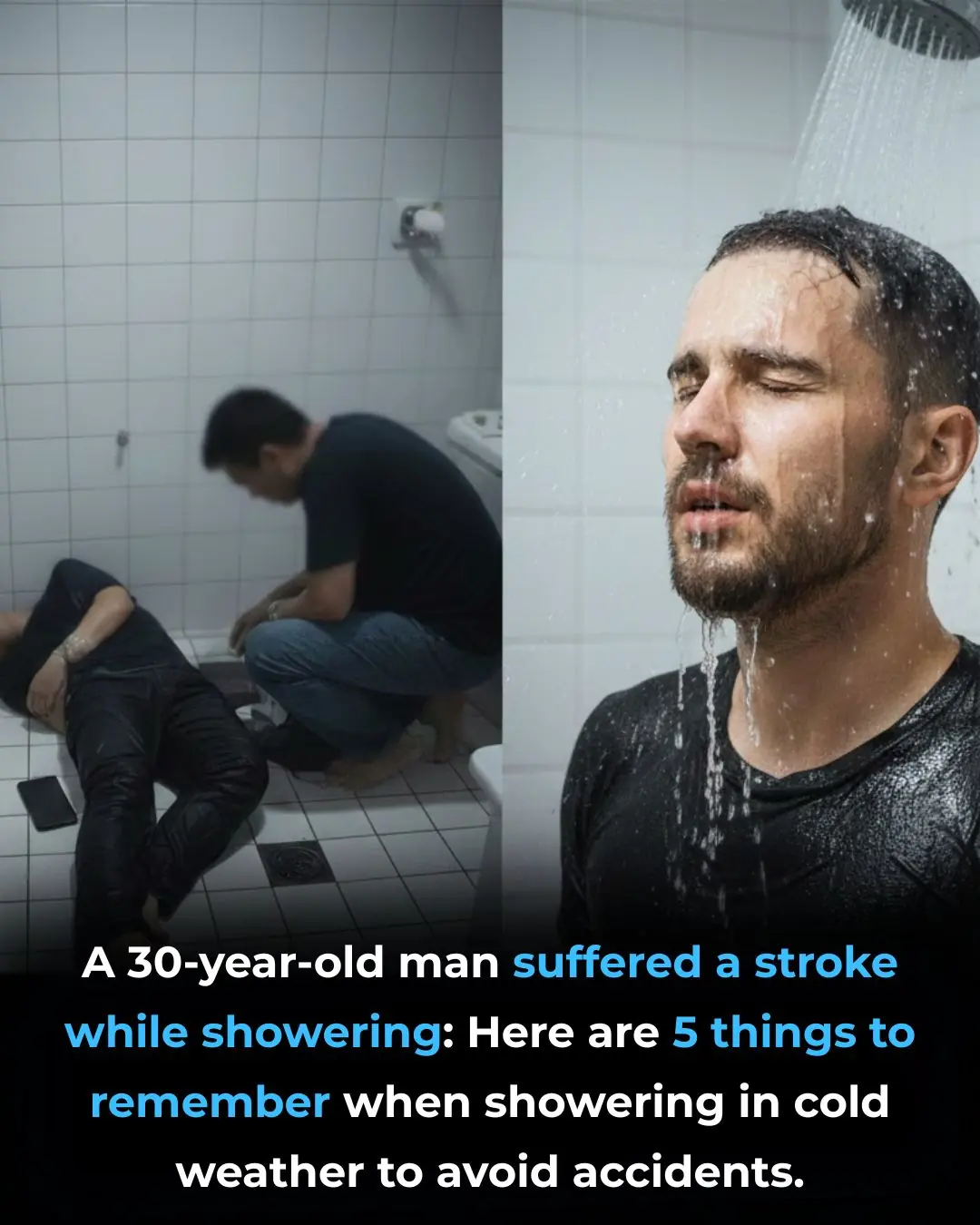
A 30-year-old man suffered a stroke while showering: Here are 5 things to remember when showering in cold weather to avoid accidents
Health 26/12/2025 22:57
Emerging research suggests that vaccination against shingles may offer benefits that extend beyond preventing herpes zoster. A new long-term study indicates that receipt of the shingles vaccine Zostavax is associated with a reduced risk of mild cognitive impairment (MCI) in cognitively healthy older adults and a significantly slower progression of dementia in individuals already diagnosed with the condition.
The findings add to a growing body of evidence linking immune health, viral infections, and neurodegenerative disease, raising important questions about the potential role of vaccination in protecting brain health during aging.
Shingles, or herpes zoster, is caused by reactivation of the varicella-zoster virus—the same virus responsible for chickenpox. After an initial infection, the virus remains dormant in nerve tissue and may reactivate later in life, particularly in older adults or individuals with weakened immune systems.
While shingles is best known for causing painful rashes and nerve damage, increasing evidence suggests that viral reactivation may also contribute to chronic inflammation, immune dysregulation, and possibly neurological decline. These mechanisms have led researchers to investigate whether preventing shingles could influence long-term cognitive outcomes.
In the newly published study, researchers followed a large cohort of older adults for up to nine years, comparing cognitive outcomes and mortality between those who received the shingles vaccine Zostavax and those who did not.
Lower risk of mild cognitive impairment (MCI): Cognitively healthy adults who received Zostavax were less likely to develop MCI over the follow-up period compared with unvaccinated peers.
Slower dementia progression: Among participants who already had dementia at the time of vaccination, disease progression appeared significantly slower.
Reduced dementia-related mortality: After nine years of follow-up, dementia-related deaths were 30% lower in vaccinated individuals with preexisting dementia compared with unvaccinated individuals.
Investigators emphasized that this reduction in mortality strongly suggests a link between shingles vaccination and slower disease progression, rather than simply delayed diagnosis.
Although the study was observational and does not prove causation, several biological mechanisms may help explain the association:
Reactivation of the varicella-zoster virus can trigger systemic and neural inflammation. Vaccination may reduce viral reactivation, thereby limiting inflammatory processes that contribute to neuronal damage.
Vaccines stimulate adaptive immune responses that may enhance immune surveillance in the central nervous system, potentially slowing neurodegenerative processes.
Growing research suggests that latent viral infections—including herpesviruses—may play a role in the development or progression of Alzheimer’s disease and other dementias. Preventing viral reactivation may therefore offer indirect neuroprotection.
If confirmed by further research, these findings could have meaningful clinical and public health implications:
Vaccination as a preventive strategy: Shingles vaccination may become part of a broader approach to preserving cognitive health in older adults.
Benefits even after diagnosis: The observed reduction in mortality among individuals already diagnosed with dementia suggests that vaccination may still be beneficial even after cognitive decline has begun.
Low-risk intervention: Shingles vaccination is already widely recommended for older adults and has a well-established safety profile, making it an attractive potential tool in dementia care strategies.
Researchers cautioned that the study was observational, meaning that unmeasured factors—such as overall health status, healthcare access, or health-seeking behavior—could partially explain the observed associations.
Additionally, the study focused on Zostavax, a live attenuated vaccine that has largely been replaced in many countries by Shingrix, a newer recombinant vaccine with higher efficacy. Whether Shingrix provides similar or greater cognitive benefits remains an open question.
Experts agree that further investigation is needed to clarify the relationship between shingles vaccination and cognitive outcomes. Future studies may include:
Randomized controlled trials
Comparative studies of Zostavax versus Shingrix
Research into immune and inflammatory biomarkers
Exploration of vaccine timing relative to dementia onset
The new findings suggest that shingles vaccination may offer unexpected benefits beyond preventing herpes zoster, including slower dementia progression and reduced dementia-related mortality. While more research is needed to confirm causality, the study strengthens the growing hypothesis that immune protection against viral infections may play a role in preserving cognitive function with age.
For older adults, clinicians, and policymakers alike, the results highlight the potential of existing preventive tools to address one of the most pressing health challenges of an aging population.