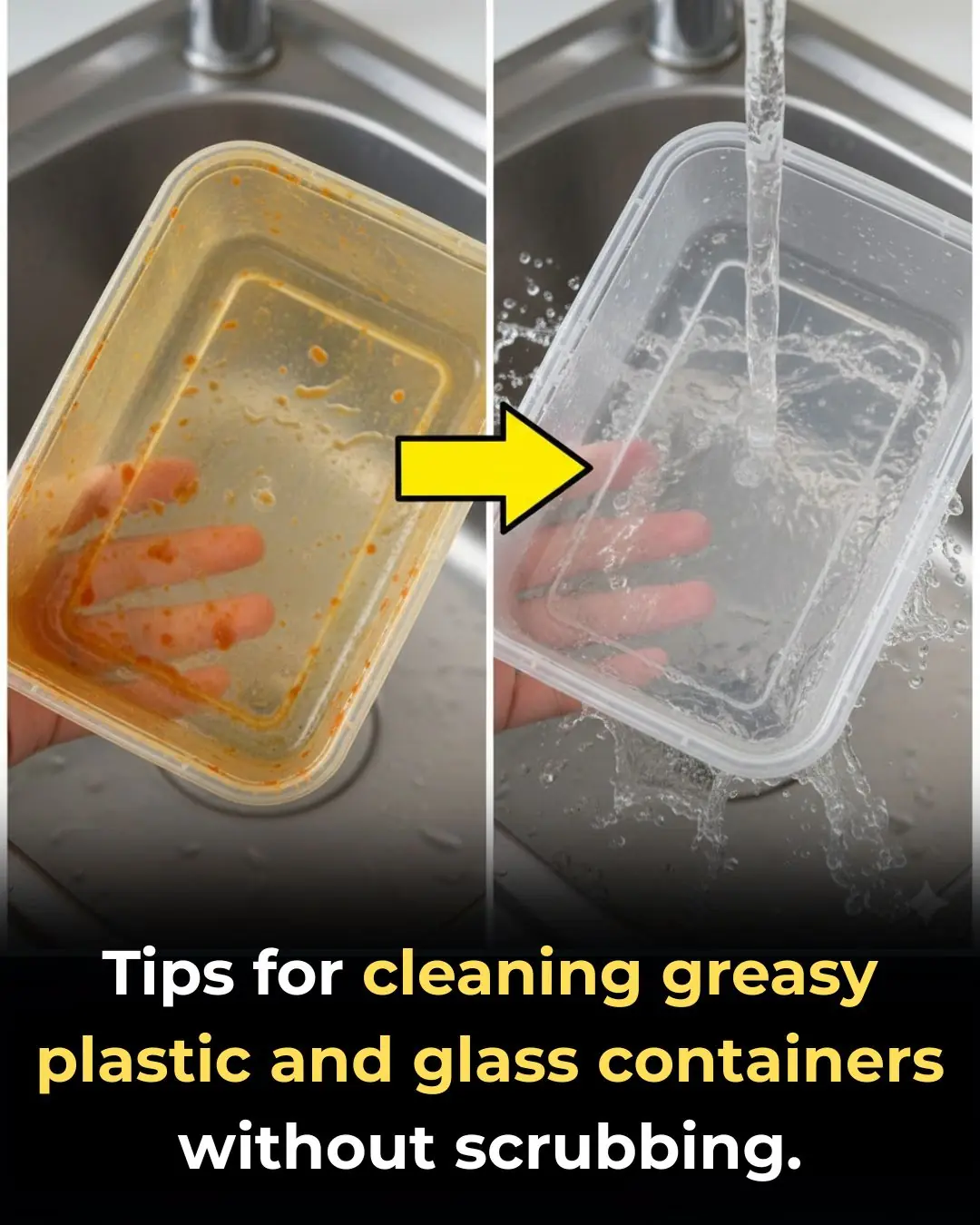
Tips 26/12/2025 21:51
I keep finding bright orange dust collecting along my baseboards, and I can’t get pest control out anytime soon. What could this even be?
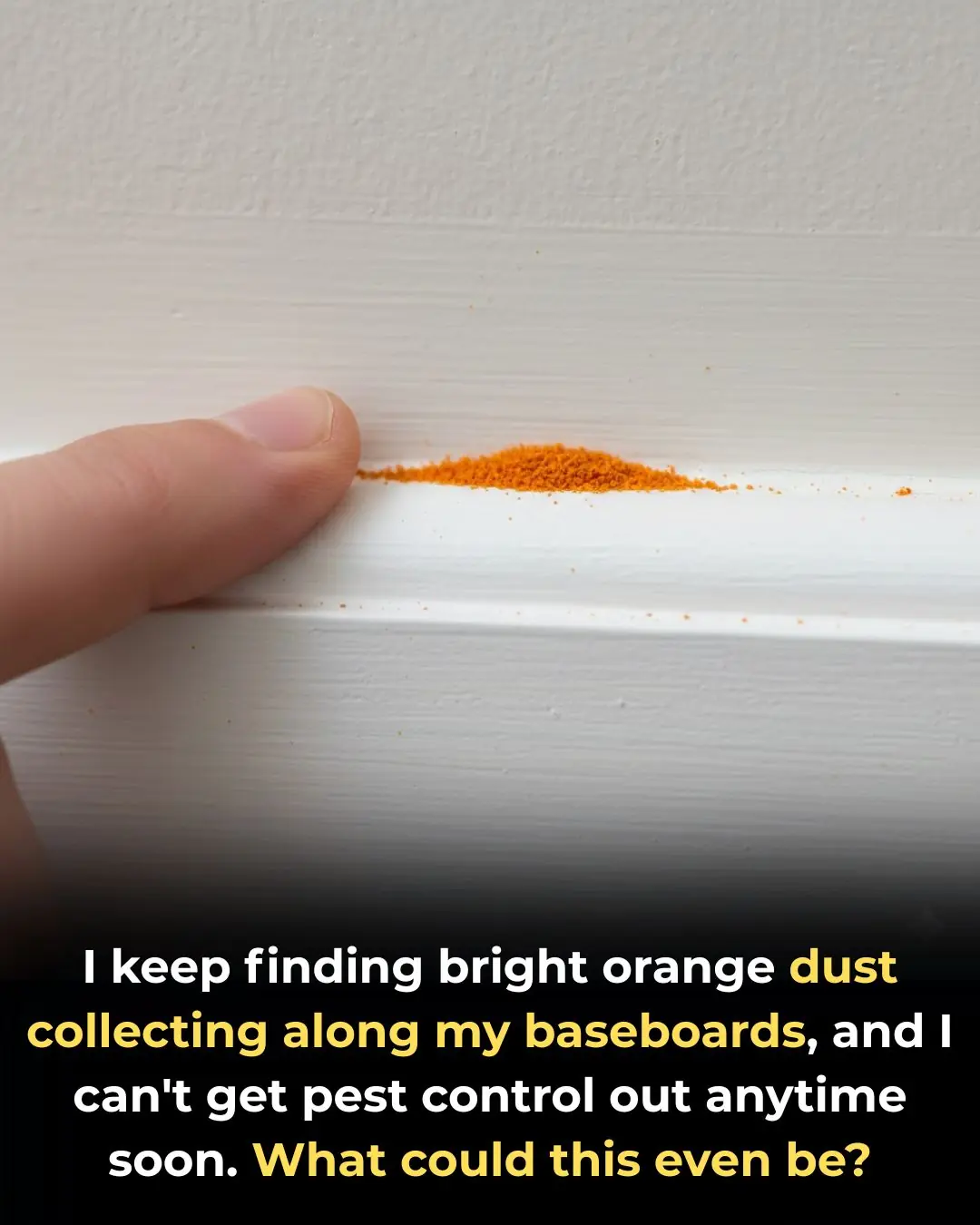
Discovering bright orange dust collecting along your baseboards can be both puzzling and unsettling. At first glance, it may look harmless—just another cleaning issue—but its unusual color often raises concerns about pests, moisture damage, or structural problems hidden beneath the surface.
While waiting for pest control or a professional inspection, understanding the possible sources of this mysterious dust can help you assess the urgency of the situation and take sensible interim steps. From insect activity to rusting hardware and environmental factors, there are several plausible explanations.
This article explores the most common causes of orange dust in homes, how to identify each one, and what you can safely do before expert help arrives.
1. Could It Be Sawdust From Hidden Wood Damage?
One of the most common explanations for orange dust is sawdust from deteriorating wood. Homes with wooden floors, baseboards, wall framing, or furniture are especially vulnerable. Over time, moisture, age, or pests can weaken wood, producing fine particles that collect along edges and corners.
Wood-boring insects such as termites and carpenter ants often leave behind frass, a mixture of wood particles and insect waste. Depending on the type of wood and surrounding materials, this debris may appear light brown, reddish, or orange.
What to look for:
-
Tiny holes in wood surfaces
-
Soft, spongy, or hollow-feeling wood
-
Dust piles that reappear after cleaning
If these signs are present, prompt investigation is essential to prevent structural damage.
2. Termite Frass vs. Ordinary Dust: How to Tell the Difference
Termite frass is frequently mistaken for regular household dust, but there are key differences. Unlike ordinary dust, which varies in color and texture, termite frass is typically uniform in size and shape, resembling tiny pellets or grains about 1 millimeter wide.
Frass often forms small piles near baseboards, window frames, or wooden beams—clear evidence of active infestation rather than passive dust accumulation.
Key indicators of termite frass:
-
Consistent particle size
-
Pellet-like appearance
-
Reappears in the same location
If you suspect termites, avoid disturbing the area too much and arrange for a professional inspection as soon as possible.
3. Carpenter Ants and Other Insects That Leave Orange Debris
Carpenter ants do not eat wood, but they excavate it to build nests, pushing out sawdust-like debris as they tunnel. While their frass is usually pale, it can appear orange if mixed with paint, rust, or aged wood fibers.
Signs of carpenter ant activity include:
-
Small piles of sawdust near walls or baseboards
-
Faint rustling sounds inside walls
-
Large black ants appearing indoors
Reducing moisture and sealing cracks can help limit their activity temporarily, but professional treatment is often required.
4. Rusting Fasteners: When Metal Turns Into Orange Powder
In humid environments, metal fasteners such as nails, screws, brackets, or corner beads can oxidize. Over time, rust flakes off and settles as fine orange dust along baseboards and walls.
This issue is particularly common in:
-
Older homes
-
Bathrooms and kitchens
-
Basements or coastal areas
Inspect baseboards closely for rust stains or exposed metal. Replacing or sealing affected hardware can prevent further corrosion.
5. Wood Friction Dust From Doors, Floors, and Furniture
Repeated friction between wooden surfaces—such as doors rubbing against frames or furniture scraping floors—can gradually wear down the material, creating fine dust that accumulates along edges.
This dust may take on a warm or orange hue depending on the wood finish.
Preventive measures include:
-
Adjusting misaligned doors
-
Using furniture pads
-
Applying wax or lubricant to contact points
Routine maintenance can significantly reduce this type of dust.
6. Paint, Stain, or Drywall Pigments Breaking Down
Over time, paint, stain, and drywall compounds can degrade due to humidity, temperature changes, and UV exposure. As these materials break down, pigmented particles may flake off and settle as colored dust.
Look for:
-
Peeling or cracking paint
-
Faded or chalky surfaces
-
Dust concentrated near painted areas
Repainting or sealing surfaces can stop further deterioration and improve indoor air quality.
7. Brick, Tile, and Concrete Shedding Fine Particles
Construction materials such as brick, tile, grout, and concrete can shed dust as they erode or crack. If these materials were poorly sealed or exposed to moisture, they may produce reddish or orange particles.
Check for:
-
Crumbling grout
-
Chipped tiles
-
Powdery residue on masonry
Sealing and repairing damaged areas can prevent ongoing dust formation.
8. Outdoor Soil, Pollen, and Road Dust Sneaking Indoors
Sometimes the simplest explanation is the correct one. Outdoor soil, pollen, and road dust—often rich in iron oxides—can be tracked inside and accumulate along baseboards.
This is common in homes with:
-
Gaps around doors or windows
-
High foot traffic
-
Inadequate entry mats
Improving sealing, cleaning regularly, and using air purifiers can significantly reduce indoor dust.
9. Mold, Mildew, and Rust-Colored Fungal Spores
Certain molds and fungi release rust-colored spores that resemble orange dust. These thrive in damp, poorly ventilated areas and may signal hidden moisture problems.
High-risk locations include:
-
Basements
-
Bathrooms
-
Kitchens
-
Areas near leaks
If mold is suspected, improving ventilation and controlling moisture is critical. Professional remediation may be necessary for safe removal.
10. Household Items That Break Down Into Orange Particles
Pet toys, rugs, cushions, decorative objects, and low-quality fabrics can degrade over time, shedding colored particles. Sunlight, friction, and age accelerate this process.
Inspect nearby items for:
-
Crumbling foam or rubber
-
Fading or powdery surfaces
Replacing deteriorating items often resolves the issue quickly.
11. Cleaning Hacks That May Be Making the Problem Worse
Some viral cleaning hacks unintentionally worsen dust issues. Abrasive cleaners or harsh chemicals can break down finishes, leaving residues that attract more dust or cause materials to deteriorate faster.
Stick to:
-
Non-abrasive cleaners
-
Gentle cleaning tools
-
Products designed for specific surfaces
Always test new cleaning methods in a small area first.
12. DIY Checks You Can Do Before Pest Control Arrives
While waiting for professionals, a few simple tests can help identify the source:
-
White paper test: Place paper under the affected area and check for new dust over several days
-
Texture test: Rub particles between your fingers—gritty may suggest construction materials; pellet-like suggests pests
-
Tap test: Gently tap nearby surfaces to see if dust falls
These observations can provide valuable clues and help professionals diagnose the issue faster.
Final Thoughts
Bright orange dust along baseboards may look alarming, but it doesn’t always indicate a serious problem. From insects and rust to moisture, friction, and everyday household wear, many causes are manageable once identified.
The key is careful observation, timely action, and professional evaluation when needed. Addressing the issue early can prevent costly repairs and help maintain a safe, healthy home environment.
News in the same category

Purple blotches keep showing up on my arms. Doctor isn’t available for weeks. What should I do?
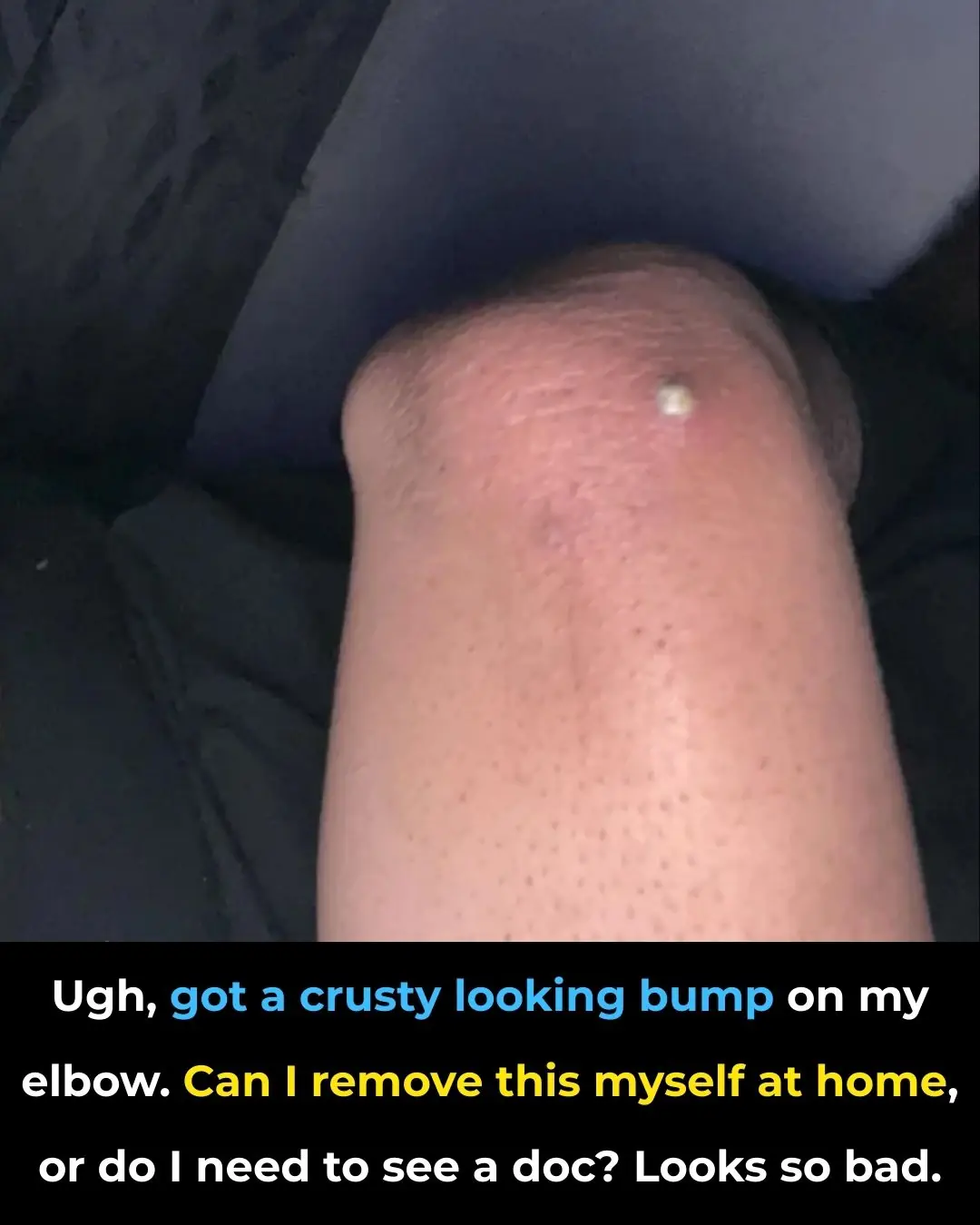
Ugh, got a crusty looking bump on my elbow. Can I remove this myself at home, or do I need to see a doc? Looks so bad

Don't add vermicelli to your spring rolls; add this ingredient to make them crispy, and you can make a hundred of them to eat gradually – they'll still taste delicious.

When thawing pork, don't soak it in water. These two methods are extremely effective and keep the meat fresh.

When making spring rolls, remember to brush this onto the wrapper; the spring rolls will be crispy, golden brown, and won't get soggy even after a while.

Most people will go their entire life without ever knowing what the drawer under the oven was actually designed for

Why do many people recommend squeezing lemon juice into the oil before frying?
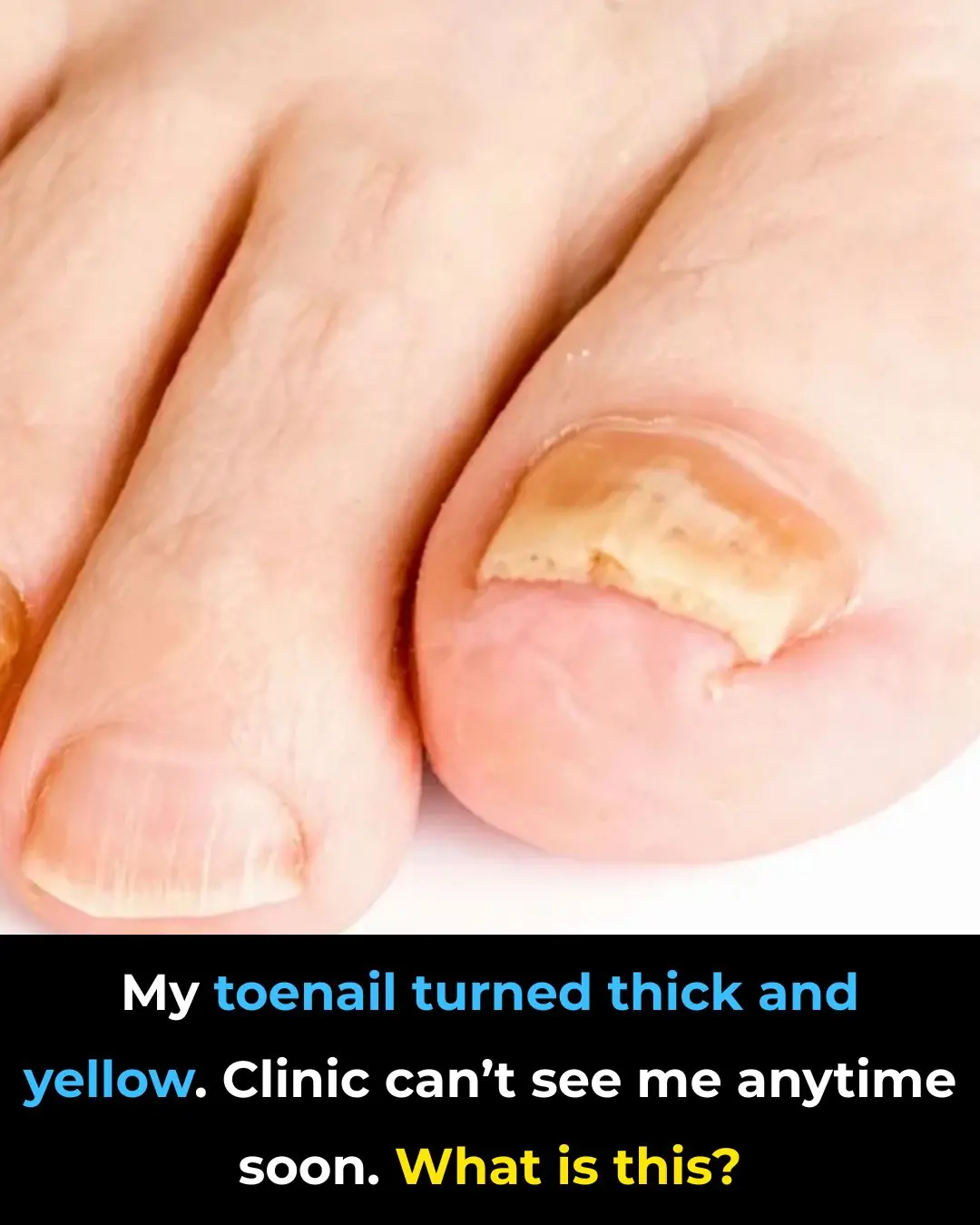
My toenail turned thick and yellow. Clinic can’t see me anytime soon. What is this?

This changes everything

Tips for stir-frying noodles to make them chewy and delicious with less oil: Don't blanch the noodles in boiling water.

Grilling dried squid often results in tough, chewy squid, but a skilled cook from the coastal region suggests soaking them in this ingredient to make them all delicious and sweet, a real treat.

4 ways to reheat boiled chicken without drying it out: Keep the meat tender, juicy, and fragrant like freshly cooked chicken.
Yes, yes yes! This is what I've been looking for!
Mixing white salt with fabric softener solves many household problems and saves money

Misconceptions that turn water purifiers into breeding grounds for germs – stop using them immediately or you could harm your whole family

Secrets to longevity after age 50: The 'golden' drink for lasting health.

The phone has a special button that helps detect hidden cameras in motels and hotels, a fact many people are unaware of

Chinese actress triumphs over stomach cancer for 25 years: Her secret is doing 3 things every day.
News Post

Beyond Weight Loss: GLP-1 Receptor Agonists Show Promise in Breast Cancer Outcomes
Health 26/12/2025 22:00

Shingles Vaccination Linked to Slower Dementia Progression and Reduced Mortality, Study Finds
Health 26/12/2025 21:54

‘Power Peeing’: What It Is and Why You Should Avoid I
Health 26/12/2025 18:01
Tips for cleaning plastic containers and glass containers full of grease, without scrubbing
Tips 26/12/2025 17:01

DIY Rice Water Ice cubes for Clear Skin – Shrink Large Pores
Beatuty Tips 26/12/2025 15:54

Six Weeks After My Husband Left Me And Our Newborn In A Snowstorm, I Walked Into His Wedding Holding The One Thing He Never Thought I’d Have
Life stories 26/12/2025 15:51

12 Thick Eyebrow Growth Home Remedies – Eyebrow Growth Oil & Serum
Beatuty Tips 26/12/2025 15:51

The moment I signed the divorce papers, I immediately canceled his 15 credit cards. While he was celebrating a $75,000 wedding with his mistress, he froze at just one sentence from me.
Life stories 26/12/2025 15:50

My boyfriend proposed to me on my birthday. With tears of joy, I said, “Yes, of course!” He stood up and shouted, “It’s just a joke!” His friends were filming it to post on YouTube, all of them laughing hysterically. But a few weeks later…
Life stories 26/12/2025 15:49

10 DIY Beauty Ice cubes for Face, Glowing Skin
Beatuty Tips 26/12/2025 15:48

I WALKED INTO MY BROTHER’S ENGAGEMENT PARTY. THE BRIDE WHISPERED WITH A SNEER: ‘THE STINKY COUNTRY GIRL IS HERE!’ SHE DIDN’T KNOW I OWNED THE HOTEL — OR THAT THE BRIDE’S FAMILY WAS ABOUT TO LEARN IT THE BLOODY WAY.
Life stories 26/12/2025 15:47

MY HUSBAND ASKED FOR A DIVORCE. HE SAID: ‘I WANT THE HOUSE, THE CARS, EVERYTHING EXCEPT THE SON’ MY LAWYER BEGGED ME TO FIGHT. I SAID: ‘GIVE IT ALL TO HIM.’ EVERYONE THOUGHT I’D LOST MY MIND.
Life stories 26/12/2025 15:47

I HAD A FEELING MY HUSBAND WAS SLIPPING SLEEPING PILLS INTO MY TEA. THAT NIGHT, WHILE HE STEPPED OUT, I POURED IT DOWN THE SINK AND PRETENDED TO BE ASLEEP. WHAT HE DID NEXT MADE MY BLOOD RUN COLD…
Life stories 26/12/2025 15:46
Purple blotches keep showing up on my arms. Doctor isn’t available for weeks. What should I do?
Tips 26/12/2025 15:00
Ugh, got a crusty looking bump on my elbow. Can I remove this myself at home, or do I need to see a doc? Looks so bad
Tips 26/12/2025 14:55

Proven Health Benefits of Dates (Dried, Fresh, Medjool) – Science Based
Health 26/12/2025 14:53

DIY Turmeric & Ginger Shots to Fight Inflammation, Boost Immunity & Soothe Your Gut
Health 26/12/2025 14:49

White Bumps or Spots on Lips: Causes and Effective Treatments
Health 26/12/2025 14:47
Don't add vermicelli to your spring rolls; add this ingredient to make them crispy, and you can make a hundred of them to eat gradually – they'll still taste delicious.
Tips 26/12/2025 13:52