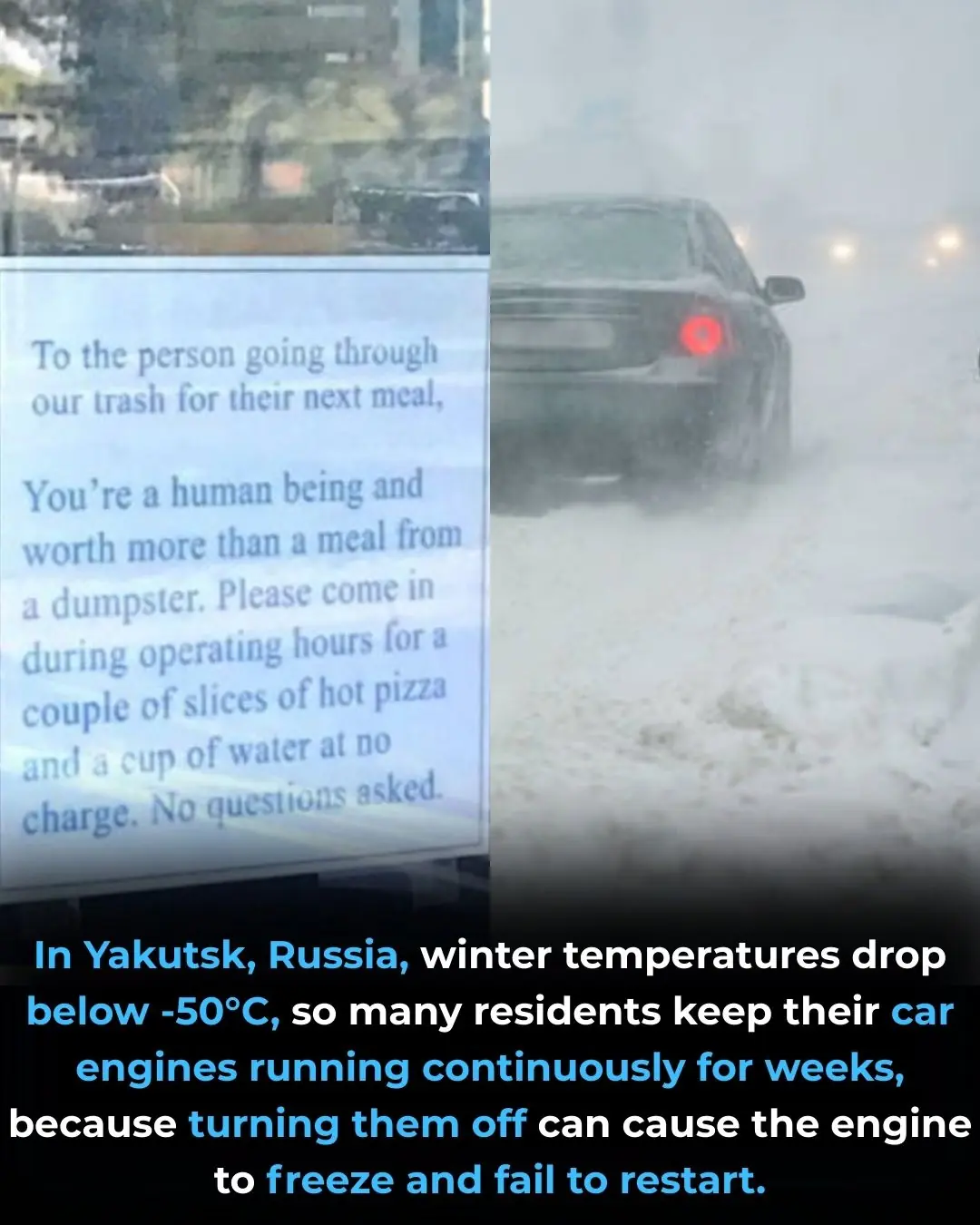
In Yakutsk, Winter Is So Cold People Never Turn Off Their Cars
News 08/01/2026 09:53
A lifeguard in South Florida who was dismissed after leaving his assigned post to help rescue a swimmer outside his designated zone has since been offered his job back. However, the young rescuer has chosen not to return. Tomas Lopez, a 21-year-old college student, told CNN that he views the incident as “another chapter” of his life that has now come to a close. Rather than revisiting the controversy, Lopez says he intends to focus on completing his education and building his long-term career.
Since news of the incident broke, Lopez has attracted significant media attention. Numerous journalists have reached out to hear his firsthand account of what happened, turning a brief moment on a Florida beach into a widely debated public issue. The story has resonated with many people, sparking conversations about personal responsibility, professional rules, and moral decision-making during emergencies.
Lopez had been working as a lifeguard for only four months when the incident occurred on Monday. According to NBCMiami.com, he entered the water outside the area his employer, Jeff Ellis Management, was contracted to supervise. Lopez acted after a beachgoer ran up to him, urgently warning that a swimmer was drowning beyond the marked safety zone. The beach is divided into designated patrol areas, clearly identified by signs stating that swimmers who go beyond those boundaries do so at their own risk.
Company officials later explained that when Lopez left his assigned zone, beachgoers within that area were temporarily left without direct supervision, potentially placing them in danger. Jeff Ellis Management emphasized that strict adherence to assigned zones is essential to maintaining overall beach safety and ensuring that all visitors receive consistent protection.
Lopez, however, offered a different perspective when speaking to NBCMiami. He recalled that several people approached him in distress, shouting that someone was drowning. “I started running in that direction,” he said. Although a manager reportedly instructed him to call 911 instead of leaving his post, Lopez felt morally compelled to act. He explained that he could not simply stand by and wait while someone’s life appeared to be at risk.
By the time Lopez reached the scene, other beachgoers had already pulled the struggling swimmer out of the water. Even so, Lopez immediately assisted by providing care and helping stabilize the victim until emergency responders could take over. While his actions did not directly result in pulling the swimmer from the ocean, Lopez believes his decision to respond was guided by the core purpose of his role as a lifeguard: to protect human life.
Despite later being offered reinstatement, Lopez declined the opportunity to return to his position. He stated that he wants to move forward, concentrate on his studies, and pursue future professional goals outside of the spotlight. His decision suggests a desire for closure rather than continued debate.
The incident has fueled widespread discussion across social media and news platforms about the balance between following established protocols and taking immediate action in life-threatening situations. Experts in emergency management often note that while rules are designed to protect the greatest number of people, real-life emergencies can present complex ethical dilemmas that require split-second judgment.
Organizations such as the American Red Cross and the International Life Saving Federation emphasize both strict training standards and the importance of situational awareness in rescue scenarios. Meanwhile, research from institutions like the National Institutes of Health (NIH) and guidance from public safety authorities highlight the challenges first responders face when protocol and instinct collide. Lopez’s story serves as a powerful reminder that behind every uniform is a human being making difficult decisions under pressure—decisions that can have lasting personal and professional consequences.