10 Ways to Kill a Toothache In a Minute
Health 05/02/2026 17:11
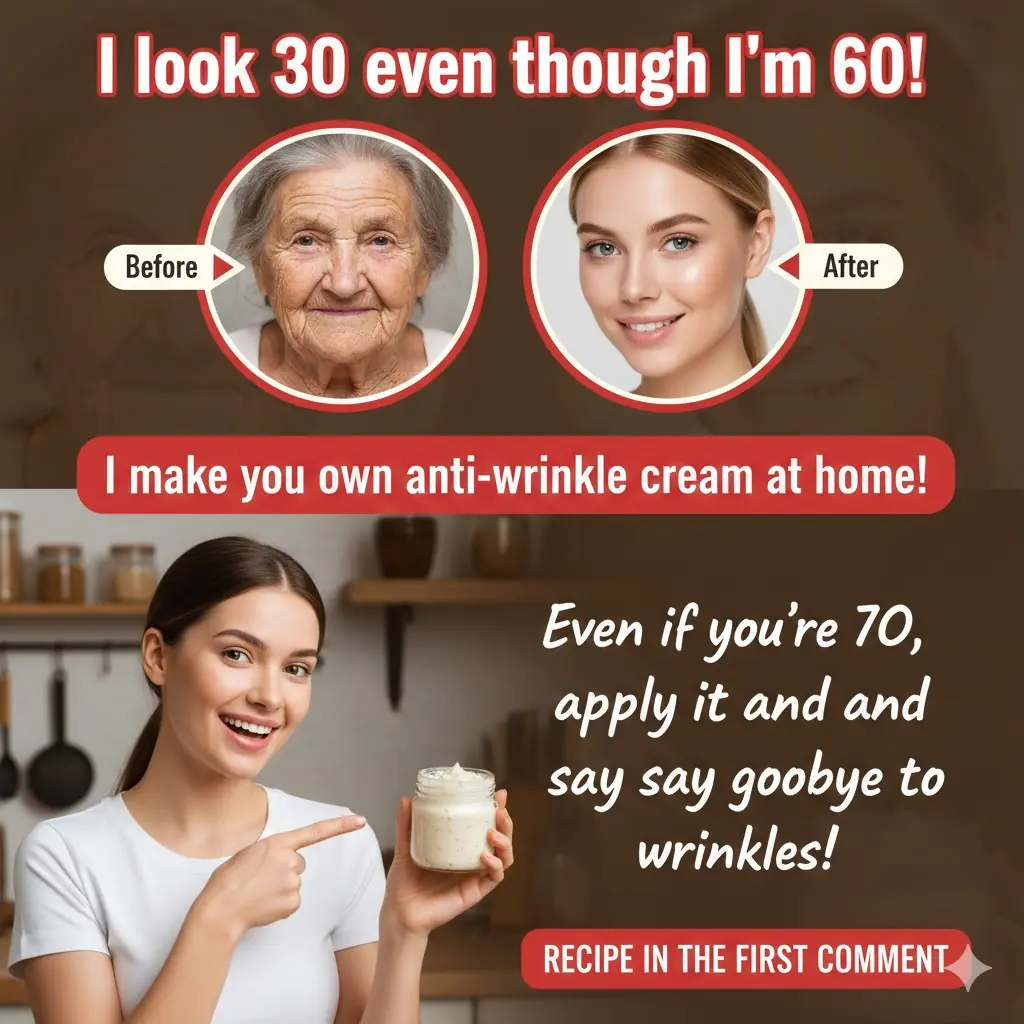
s time goes by, many people begin to notice small changes in their skin—dry patches, a rougher texture, or a tired look after a long day. These everyday details, like fine lines that appear when you smile or skin that feels less smooth than it used to, can quietly affect confidence. That’s why more and more people are turning to simple, natural options they can prepare at home, without complicated routines or expensive products.
Imagine adding a homemade cream to your nightly ritual, made with ingredients you probably already have in your kitchen. Simple, practical, and surprisingly versatile. There’s one key ingredient in particular that stands out for its many uses, and by the end of this article, you’ll understand why it has become so popular in DIY skin care.

Baking soda, also known as sodium bicarbonate, is a common household ingredient best known for baking and cleaning. In recent years, it has also found its way into homemade beauty routines. Thanks to its fine, grainy texture, baking soda is often used as a gentle exfoliant to help remove dead skin cells from the surface of the skin.
When used correctly and combined with moisturizing ingredients, it can contribute to a feeling of cleanliness and freshness. One of its biggest advantages is accessibility—it’s affordable, easy to find, and simple to work with. That said, every skin type is different, and what feels great for one person may not suit another.
Because baking soda is alkaline, it’s especially important to balance it with hydrating components and to always test it on a small area of skin before regular use.
Many people explore baking soda skin care because of its natural cleansing properties. It can help absorb excess oil, making it appealing for those with combination or oily skin. When used occasionally, it may leave the skin looking brighter and feeling smoother.
Blended with natural moisturizers like honey or plant-based oils, baking soda can take on a creamier texture that’s easier to apply and gentler on the skin. In many traditional home-care practices, simple kitchen ingredients have long been used for personal care, which adds a cultural and practical appeal to this approach.
The key is moderation—this is not a daily product, but rather a supportive addition to an overall skin care routine.
One of the best things about this recipe is how simple it is. You don’t need specialty products or hard-to-find items. Here’s what you’ll need:
2 tablespoons of baking soda – for gentle exfoliation
1 tablespoon of raw or organic honey – a natural humectant that helps retain moisture
1 teaspoon of olive oil or coconut oil – adds nourishment and helps prevent dryness
A few drops of fresh lemon juice (optional) – for a refreshing touch (use cautiously)
Filtered water – about 2–3 tablespoons, to achieve a creamy consistency
Fresh, good-quality ingredients make a noticeable difference in texture and overall experience.
Making this cream is quick and straightforward. Start by washing your hands and cleaning your utensils.
Place the baking soda in a small bowl.
Add the honey and mix until well combined. The mixture will start to look thick and glossy.
Stir in the oil slowly, making sure the texture stays smooth. If using coconut oil, melt it slightly first.
Add filtered water little by little, mixing until you reach a creamy, spreadable consistency.
If using lemon juice, add just a few drops and mix well. Test on your wrist before facial use.
Transfer the cream into a clean glass jar and store it in the refrigerator. It’s best used within one week. Many people prefer applying it at night, when the skin naturally goes through its renewal process.
Before applying the cream to your face, always do a patch test on the inner arm and wait 24 hours to check for any reaction.
Use the cream 2–3 times per week, not daily. Apply to clean skin using gentle circular motions, avoiding the eye area. Leave it on for 10–15 minutes, then rinse with lukewarm water. Follow with your usual moisturizer.
Sun protection during the day is essential, especially if your routine includes any kind of exfoliation.
Here’s a simple comparison to help you decide what fits your lifestyle best:
| Aspect | Homemade Baking Soda Cream | Commercial Products |
|---|---|---|
| Cost | Very low | Moderate to high |
| Ingredients | Simple, controllable | Often complex |
| Customization | High | Limited |
| Prep time | About 5 minutes | Ready to use |
| Shelf life | About 1 week (refrigerated) | Several months |
Homemade options appeal to people who value simplicity, transparency, and flexibility.
You can easily adapt this recipe:
Sensitive skin: Skip the lemon juice and increase the honey slightly.
Dry skin: Add a bit more oil for extra nourishment.
Mature skin: Mix in a few drops of vitamin E oil.
Oily skin: Use less honey and apply only to oil-prone areas.
Some people also like adding aloe vera gel or plain yogurt for a calming effect.
Across many regions, especially in Latin America, homemade remedies are deeply rooted in tradition. From family recipes passed down through generations to modern social media trends, natural skin care continues to gain attention.
Affordability, accessibility, and a desire for simpler routines are major reasons why people are revisiting these practices. Taking time for small, intentional rituals can also support overall well-being, not just appearance.
A homemade baking soda cream can be an easy, budget-friendly way to explore natural skin care. Start slowly, listen to your skin, and adjust the recipe as needed. The real secret is balance—when combined thoughtfully, baking soda can contribute to a refreshing and renewed skin-care experience.
Can I use this cream every day?
No. It’s best used 2–3 times per week to avoid irritation.
Is it suitable for all skin types?
It depends on your skin. Sensitive skin should use extra caution and gentler variations.
Where can I find the ingredients?
Most items are available at local supermarkets or traditional markets. Choose fresh ingredients for best results.
Disclaimer: This content is for general informational purposes only and does not replace professional medical advice. Consult a qualified skin care professional before trying new products, especially if you have existing skin conditions. Results are not guaranteed.