🌿 What Rosemary Can Actually Do
Health 04/02/2026 16:41
Ovarian cancer, often referred to as the “silent killer,” remains a major health threat to women around the world. In 2024, Canada recorded approximately 2,800 new cases and 1,750 deaths linked to this disease. These numbers highlight the seriousness of ovarian cancer and the urgent need for awareness. Early detection plays a critical role in improving survival rates, as treatment is far more effective when the disease is identified at an early stage. Despite its nickname, ovarian cancer does produce warning signs, and recognizing them promptly can be life-saving.
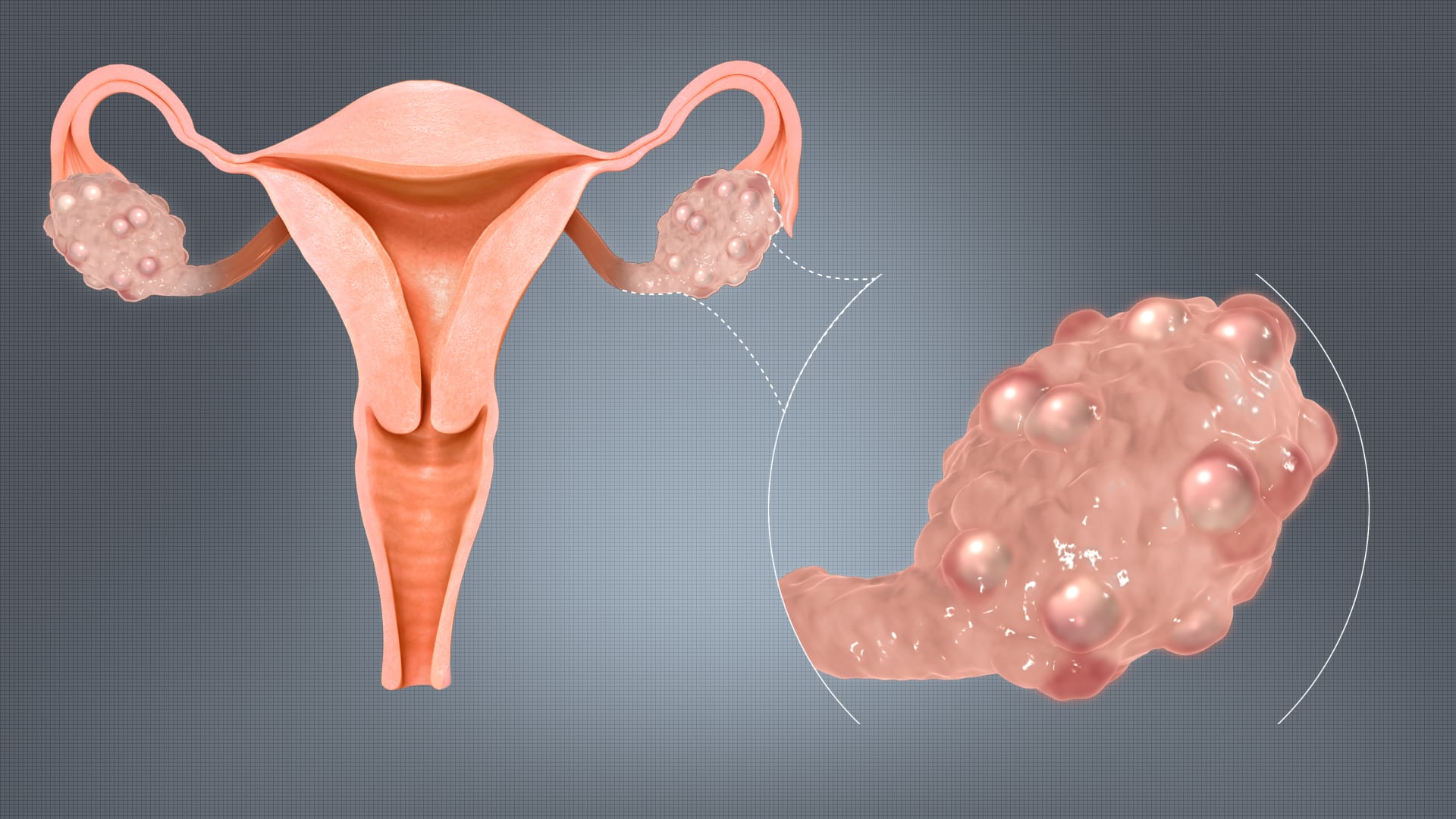
Ovarian cancer develops when abnormal cells in the ovaries grow uncontrollably and form malignant tumors. Although it is most commonly diagnosed in post-menopausal women, an increasing number of cases are now being reported among women in their 30s and 40s. One of the greatest challenges in diagnosing ovarian cancer is the absence of a dependable screening method. Pap smears do not detect ovarian cancer, and blood tests such as CA125 may fail to identify the disease in its early stages, producing false-negative results.
In many cases, early symptoms are mild and resemble common digestive or hormonal issues. As a result, women may delay seeking medical advice, and the disease is often discovered only after it has progressed to an advanced stage.
1. Persistent Bloating
Occasional bloating is normal, particularly around menstruation or after eating certain foods. However, bloating that occurs regularly and lasts longer than three weeks may signal abnormal changes in the body. Many women diagnosed with ovarian cancer describe a constant feeling of abdominal swelling, sometimes comparing it to the sensation of pregnancy. This symptom should not be ignored, especially if it appears without an obvious cause.
2. Lower Abdominal and Pelvic Pain
Menstrual cramps are a familiar experience for many women, but ongoing pain in the lower abdomen or pelvic area that continues beyond the menstrual cycle is a cause for concern. If this discomfort lasts for more than three weeks or feels different from typical period pain, it may indicate underlying issues such as tumor development. New or unexplained pain should always be evaluated by a healthcare provider.
3. Difficulty Eating or Feeling Full Quickly
A sudden loss of appetite or the sensation of feeling full after only a few bites can be an important warning sign. When this symptom persists for several weeks, it may suggest that a tumor is affecting the digestive system. Because changes in appetite are easy to dismiss, this symptom is often overlooked, yet it can be one of the earliest clues of ovarian cancer.
4. Increased Need to Urinate
Needing to urinate more frequently or urgently, without increasing fluid intake, can also indicate ovarian cancer. This happens when a growing tumor puts pressure on the bladder. While urinary changes are common with infections or aging, persistent symptoms should not be assumed to be harmless.
These warning signs are frequently mistaken for gastrointestinal disorders, hormonal fluctuations, or minor infections. However, if any of these symptoms last longer than three weeks or occur repeatedly, it is essential to seek medical advice. Early diagnosis greatly improves the chances of successful treatment and long-term survival.
Raising awareness and monitoring personal health are key to fighting ovarian cancer. Women are encouraged to listen to their bodies and report unusual changes promptly. Sharing this information with family members, friends, and loved ones can help more women recognize the early signs of ovarian cancer and seek timely medical care.