Health 03/02/2026 22:20
Woman lost both kidneys before turning 30: Doctor warns of 2 habits that cause kidney failure
End-stage kidney failure—also known as end-stage renal disease (ESRD) or end-stage renal failure (ESRF)—is the fifth and final stage of chronic kidney disease (CKD). At this stage, the kidneys can no longer perform their essential functions, including filtering waste from the blood, regulating blood pressure, and maintaining proper electrolyte balance. Without medical intervention such as dialysis or a kidney transplant, survival is not possible.
Kidney failure occurs when the kidneys lose their ability to function effectively. For many years, it was considered primarily a disease of older age. However, in recent years, an alarming shift has occurred: kidney failure is increasingly affecting young adults. This growing trend highlights the urgent need for better public education on lifestyle choices, early warning signs, and preventive strategies.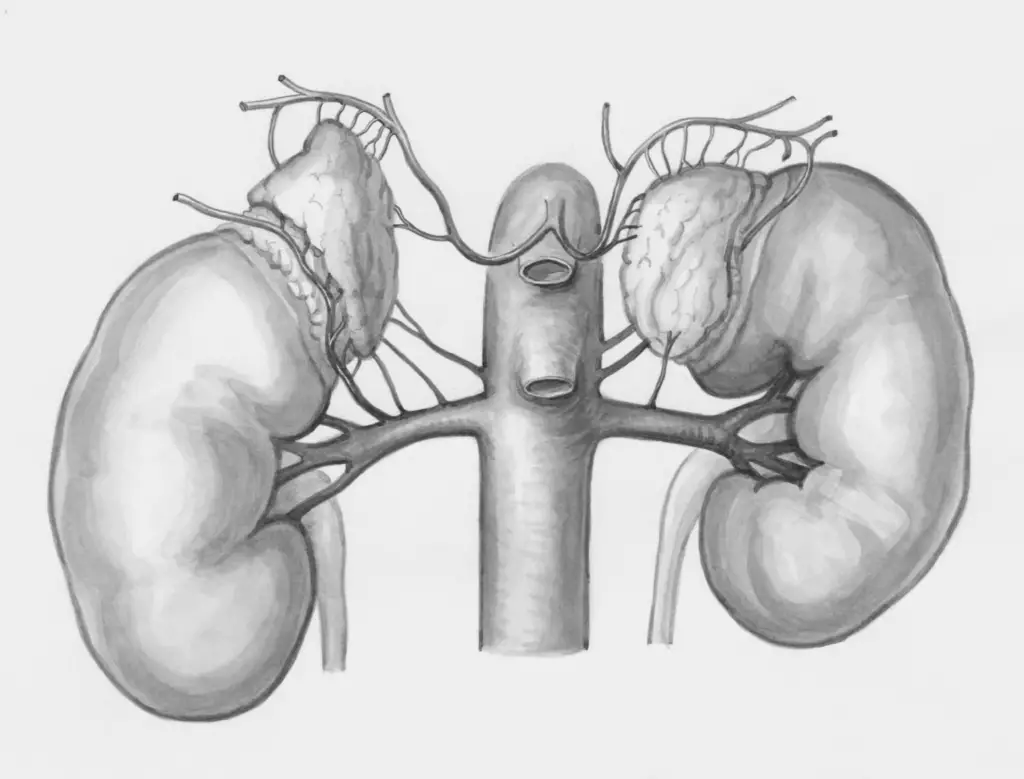
A recent case involving a Vietnamese actress under the age of 30 who was diagnosed with end-stage kidney failure sent shockwaves across the country. Yet her experience is far from unique. Similar cases are being reported worldwide, and nephrologists are raising concerns that kidney failure is “getting younger.” Medical experts also agree that in younger populations, this condition is largely preventable because many of the major risk factors are closely linked to modern lifestyle habits—particularly two destructive patterns that are becoming more common.
1. Unbalanced Diets High in Protein and Processed Foods
In the pursuit of rapid weight loss or muscle gain, many young adults turn to high-protein diets and protein supplements. While protein is essential for the body, excessive intake places additional strain on the kidneys by increasing levels of urea and uric acid in the blood. Over time, this overload can contribute to kidney stones, inflammation, and long-term kidney damage.
At the same time, heavily processed foods—often high in sodium, sugar, and phosphate additives—further compromise kidney health. These substances increase blood pressure, disrupt mineral balance, and accelerate kidney decline.
A 2020 study published in the Clinical Journal of the American Society of Nephrology found that diets high in sodium and low in potassium were associated with worsening kidney function, even among otherwise healthy young adults. This evidence suggests that dietary choices alone can significantly influence kidney health long before symptoms appear.
2. Lack of Exercise and a Sedentary Lifestyle
Physical inactivity represents another major risk factor. A sedentary lifestyle increases the likelihood of obesity, high blood pressure, and type 2 diabetes—three of the strongest contributors to kidney damage.
A 2023 study published in Kidney International Reports demonstrated a strong association between sedentary behavior and rapid declines in estimated glomerular filtration rate (eGFR), the primary indicator of kidney function. This finding underscores how inactivity directly accelerates kidney deterioration.
Today, many young people spend 10 to 12 hours per day using laptops, scrolling through phones, and binge-watching television. Prolonged sitting reduces circulation, disrupts metabolism, and contributes to chronic inflammation—all of which burden the kidneys over time.
Silent Progression and Warning Signs
One of the most dangerous aspects of kidney disease is its ability to progress silently. The kidneys are highly resilient and can continue functioning even after losing up to 90 percent of their capacity, according to Healthline. As a result, early-stage kidney failure often produces few or no noticeable symptoms.
When symptoms do appear, they may include:
-
Confusion
-
Decreased urine output
-
Fatigue
-
Persistent itching
-
Muscle twitching and cramping
-
Metallic taste in the mouth
-
Nausea and vomiting
-
Loss of appetite
-
Seizures
-
Swelling in the body
-
Shortness of breath caused by fluid buildup in the lungs
-
General weakness
Because these symptoms often emerge late, many patients are diagnosed only after significant kidney damage has already occurred.
Reducing the Risk of Kidney Failure
Although kidney failure cannot always be prevented, the risk can be significantly reduced through informed lifestyle choices. In addition to maintaining a balanced diet and avoiding excessive processed foods and protein overload, other protective strategies include:
-
Managing blood sugar levels
-
Controlling high blood pressure
-
Maintaining a healthy body weight
-
Reducing salt intake
-
Drinking sufficient water
-
Limiting alcohol consumption
-
Quitting smoking
-
Managing stress effectively
By adopting healthier habits early in life, many cases of kidney failure—especially among younger adults—can be delayed or entirely avoided. Prevention is not only possible; it is increasingly essential in a world where modern lifestyles are placing unprecedented strain on vital organs.
Kidney health is not just a concern for the elderly anymore. It is a lifelong responsibility that begins with daily choices.
News in the same category

Colonoscopy: The key question you should ask your doctor before the procedure

Itchy Breasts? Here Are 6 Health Issues That Could Be Behind It
Doctors reveal that eating bananas before bed can lead to... See more
The Silent Signal: What Your Legs May Reveal About Pancreatic Health
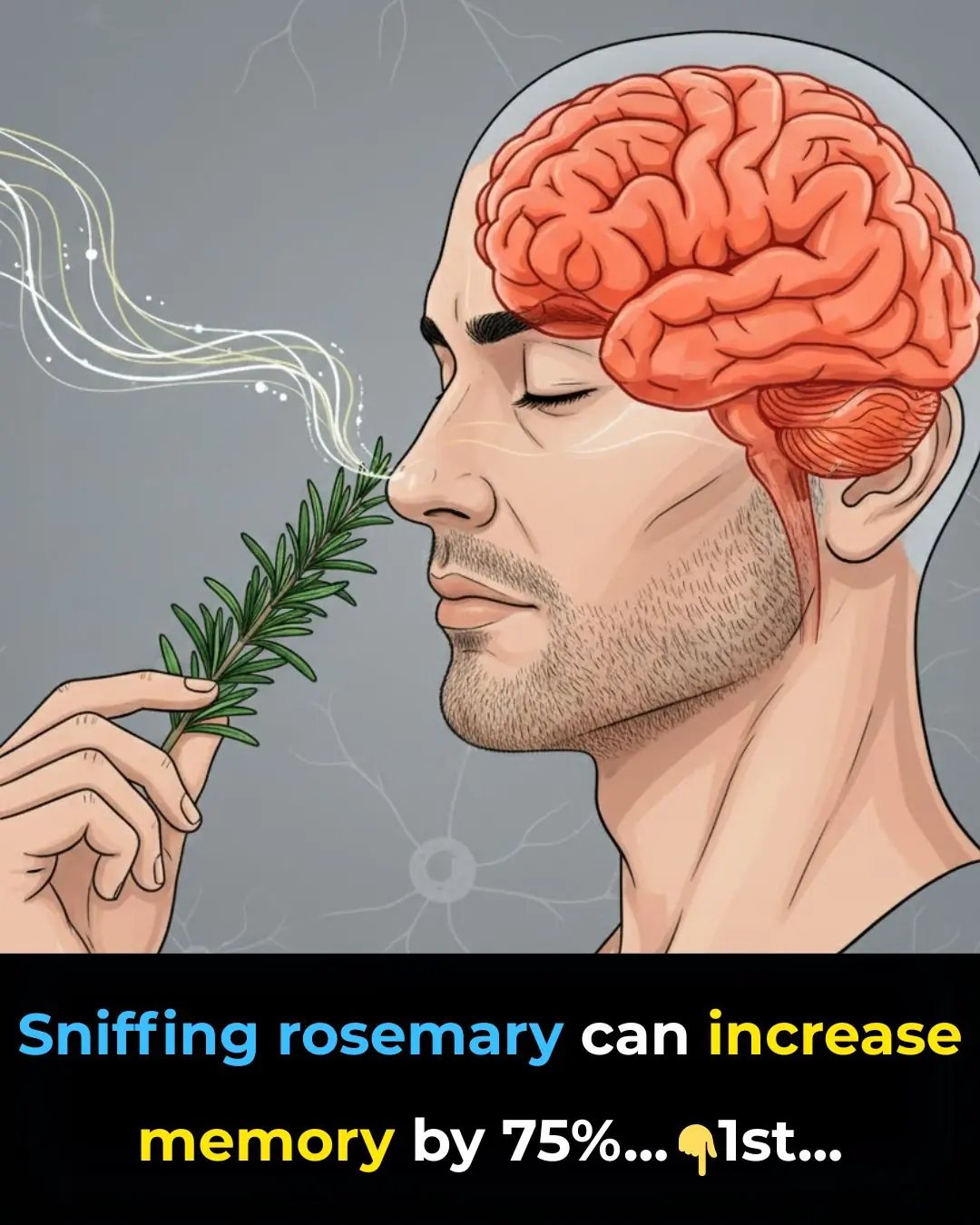
Does Sniffing Rosemary Really Boost Memory
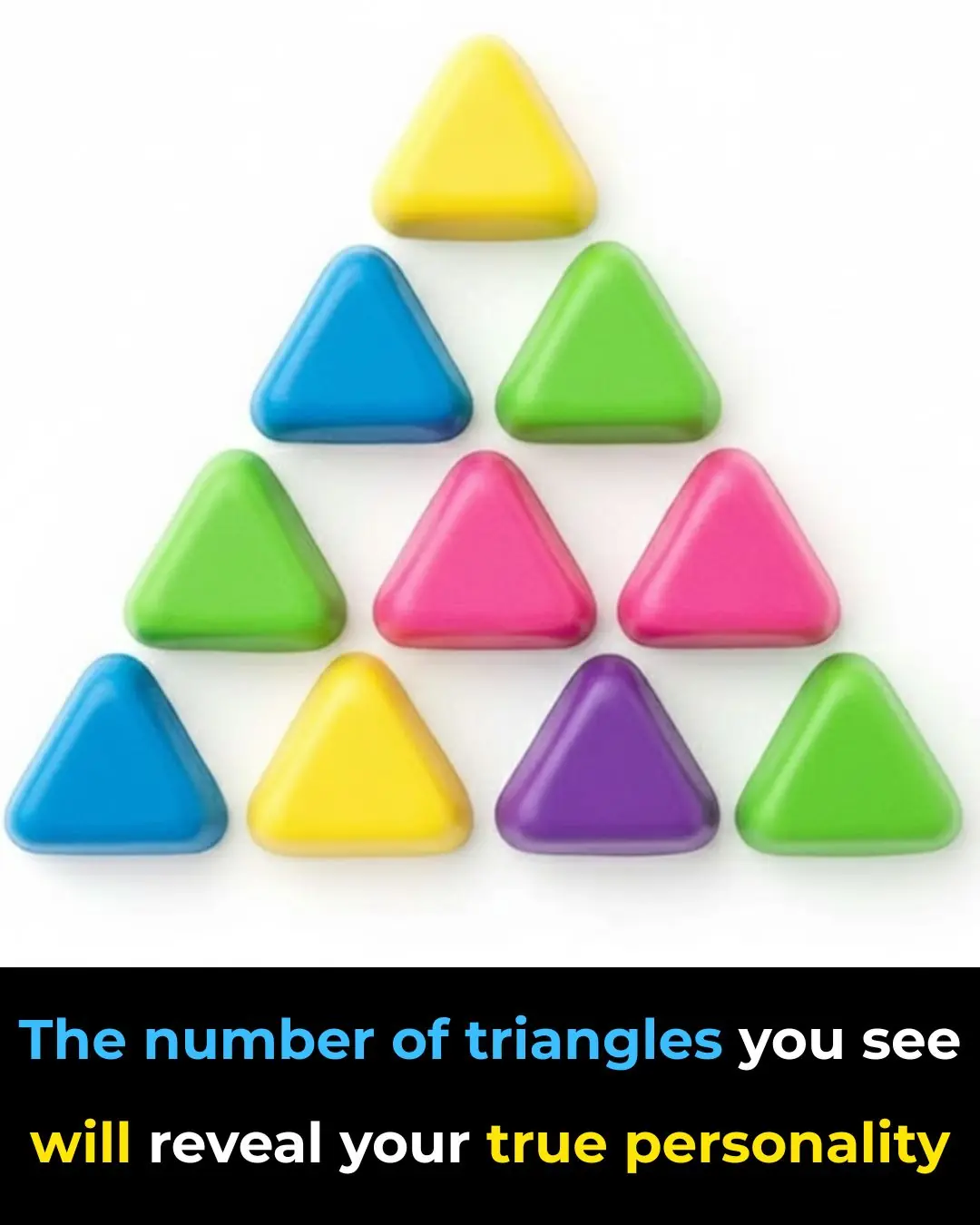
Number Of Triangles You See Will Reveal Your True Personality

8 Foods You Should Eat Instead of Taking a Vitamin C Supplement

Right-Side Abdominal Pain in Women: Could It Be Gallstones?
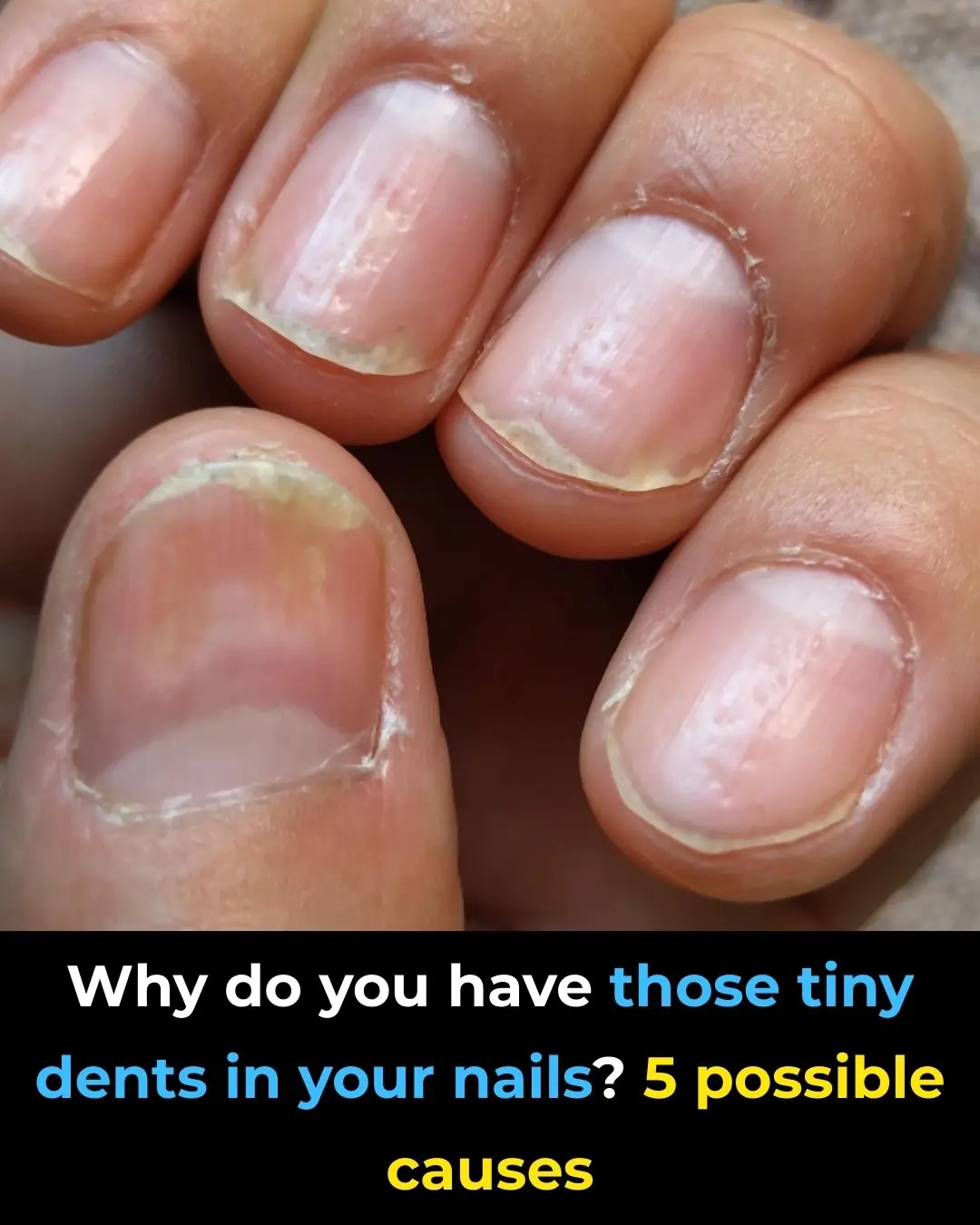
Everything You Need To Know About Nail Pitting
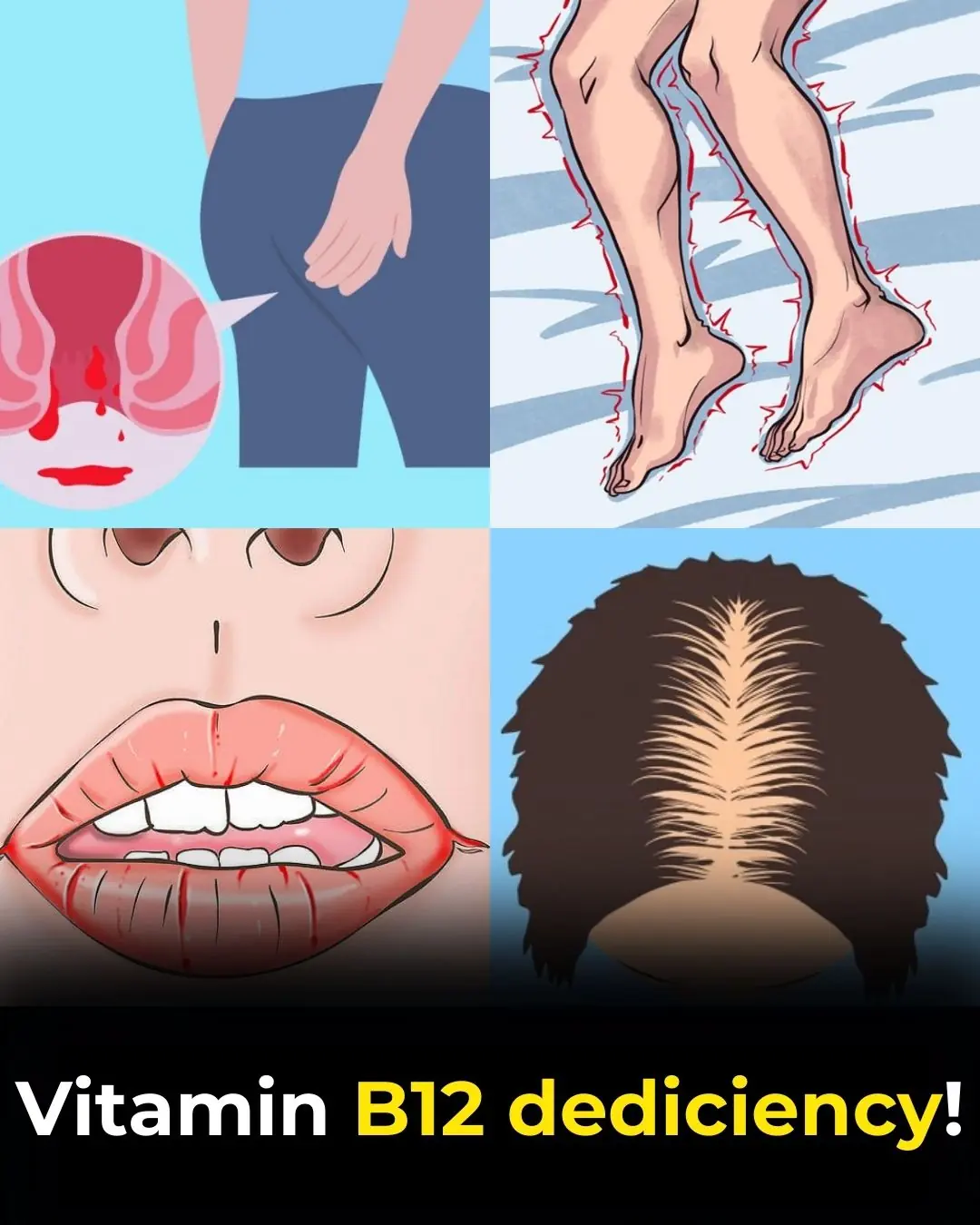
🧠 8 Strange (But Real) Signs Your Body Is Begging for More Vitamin B12 – Don’t Ignore These Red Flags
Discovering Smart Protein Choices: 4 to Include and 5 to Limit for Kidney Health Support
How I Improved the Appearance of My Legs: Smoother, Brighter & Healthier-Looking Skin with Simple Habits

Discover 5 Everyday Foods That May Increase Cancer Risk and Simple Swaps for Better Health
Discover Everyday Herbal Habits That Can Help Support Your Kidney Health Naturally
Danger at home! 8 household items that could harm your health lp

Discover a Simple Homemade Recipe with Lemon, Ginger, and Honey to Naturally Support Your Eye Health
Doctors Reveal That Eating Broccoli Regularly Leads To pu

How To Identify Skin Tags and When To Remove Them
News Post

POOR TWIN SISTERS BUY GROCERIES AND FIND A BILLIONAIRE IN THE BASEMENT–WHAT HAPPENS NEXT SHOCKS ALL
Life stories 03/02/2026 23:19

For two decades, I was the neighbor no one noticed—the quiet man who trimmed his hedges, fixed bikes, and never argued
Life stories 03/02/2026 22:59
Here is what this little hole on the ear mean
Tips 03/02/2026 22:31
Doctor issues warning about eating too much rice
Health 03/02/2026 22:29
Colonoscopy: The key question you should ask your doctor before the procedure
Health 03/02/2026 22:27
Itchy Breasts? Here Are 6 Health Issues That Could Be Behind It
Health 03/02/2026 22:24
Understanding the Body After 70
Tips 03/02/2026 22:18

A Father’s Unexpected Return Exposed Everything
Life stories 03/02/2026 22:17
Doctors reveal that eating bananas before bed can lead to... See more
Health 03/02/2026 21:40

Racist Passenger Insulted Black Man in Economy — Turns Out He Owns the Airline
Life stories 03/02/2026 17:04
The Silent Signal: What Your Legs May Reveal About Pancreatic Health
Health 03/02/2026 16:49
Does Sniffing Rosemary Really Boost Memory
Health 03/02/2026 16:48
Number Of Triangles You See Will Reveal Your True Personality
Health 03/02/2026 16:45

Envy Rarely Looks Like Hate
Facts 03/02/2026 16:43

Pilot Tells Black Teen to “Go Back to Coach” — But the Crew Learns He’s Their New Boss Mid Flight
Life stories 03/02/2026 15:56

My sister slapped me across the face during her $20,000 wedding-dress fitting—the one I was paying for.
Life stories 03/02/2026 15:41

The Boy Who Stopped the Jet
Life stories 03/02/2026 10:43

I stood beside him when he took the microphone.
Life stories 03/02/2026 10:32
The Wisest Japanese Secret! Even at 70, You Look Like 35
Tips 02/02/2026 23:05