🌿 What Rosemary Can Actually Do
Health 04/02/2026 16:41
When your head itches, your body is trying to send you a message — and the most accurate explanation is this:
your scalp’s protective barrier is disrupted, triggering inflammation that activates itch-sensing nerves.
That’s the core reason.
Everything else—dandruff, dryness, stress, allergies—feeds into this single mechanism.
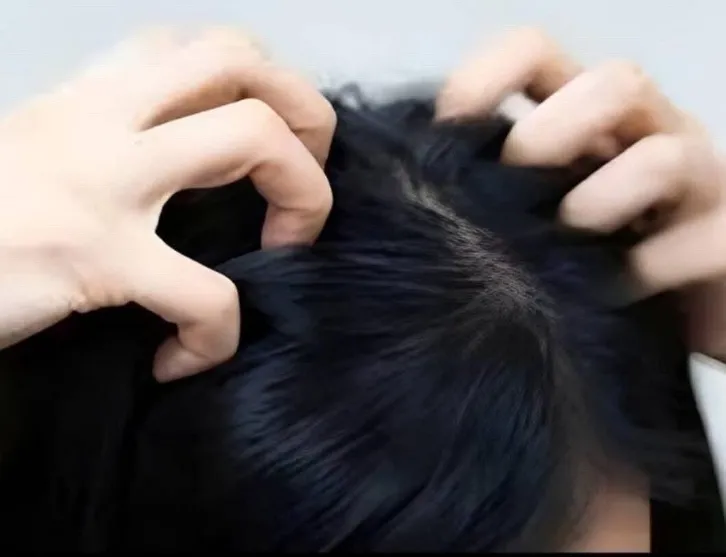
The scalp is not “just hair.” It is living skin packed with:
Hair follicles
Oil (sebaceous) glands
Sweat glands
Immune cells
Blood vessels
Sensory nerve endings
Its job is to act as a protective barrier—keeping moisture in, harmful microbes out, and maintaining a stable environment for hair growth.
When that barrier is healthy, you don’t feel anything.
When it’s disturbed, your nervous system reacts.
Here’s the exact chain reaction:
This can happen due to:
Dry air or cold weather
Overwashing or harsh shampoos
Product buildup
Excess oil imbalance
Fungal overgrowth (like Malassezia, common in dandruff)
Stress hormones affecting skin immunity
When the barrier weakens, microscopic cracks form. Water escapes. Irritants enter.
Your immune system detects “something’s wrong” and releases chemical messengers such as:
Histamine
Cytokines
Prostaglandins
These chemicals are meant to protect you—but they have side effects.
Specialized nerve endings in your scalp (called pruriceptors) detect these inflammatory signals.
They send a message to your brain:
“Something on the scalp needs attention.”
That message is interpreted as itching.
So itching is not random.
It is a neurological warning signal
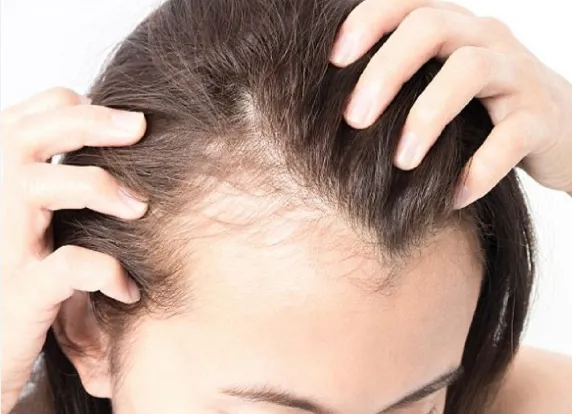
Scratching temporarily relieves itch because:
It activates pain receptors
Pain signals override itch signals in the brain
Dopamine is released (brief relief/pleasure)
But scratching also:
Damages the skin barrier further
Increases inflammation
Allows bacteria to enter
Triggers more histamine release
This creates the itch–scratch cycle, where the more you scratch, the more your scalp itches later.
Your body isn’t asking you to scratch—it’s asking you to fix the underlying imbalance.
Different causes, same core mechanism:
Lack of moisture weakens the barrier
Nerve endings become hypersensitive
Common in winter or with hot showers
Fungal byproducts irritate the scalp
Immune reaction causes inflammation
Leads to itching + flaking
Sulfates, fragrance, alcohol strip natural oils
Barrier damage follows
Itch appears hours or days later
Cortisol alters skin immunity
Oil production changes
Inflammation increases even without visible flakes
Immune system releases histamine
Nerve activation is immediate and intense
Different triggers. Same final signal:
“The scalp environment is not balanced.”
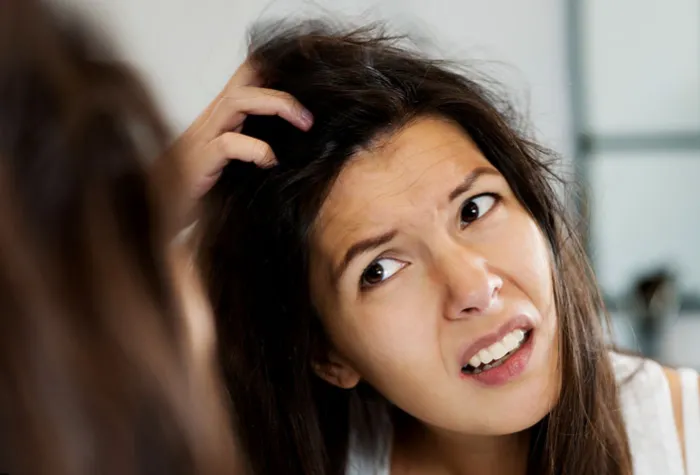
This is the key mindset shift.
Your body is not malfunctioning when your head itches.
It is communicating.
Itch means:
Protection has been compromised
Inflammation is active
Nerves are alerting you
Ignoring it or suppressing it without addressing the cause is like silencing a smoke alarm while the fire keeps burning.
Depending on the situation, your body may be asking for:
Moisture restoration
Gentler cleansing
Reduced irritation
Antifungal balance
Stress regulation
Not more scratching.
Not harsher washing.
Not more products.
Often,
less intervention + smarter care works better.Occasional itching is normal.
Persistent itching is not.
You should pay closer attention if:
Itching lasts weeks
Scalp becomes red, sore, or scaly
Hair shedding increases
Sleep is disrupted by itching
Scratching causes wounds
At that point, the message is louder:
“This imbalance needs correction, not tolerance.”

The most accurate reason your head itches is this:
your scalp’s protective barrier is disrupted, causing inflammation that activates itch-sensing nerves.
Itching is not weakness.
It’s not random.
It is your body’s way of saying:
“Something here needs care, balance, and protection.”
Listen to the message—not just the sensation.