
Explore Canada from Coast to Coast by Train for Just $558 🇨🇦: A 3,946-Mile Adventure Through Stunning Landscapes
Facts 03/12/2025 17:33
The Science Behind Training Your Brain to See the Positive (Expanded Edition)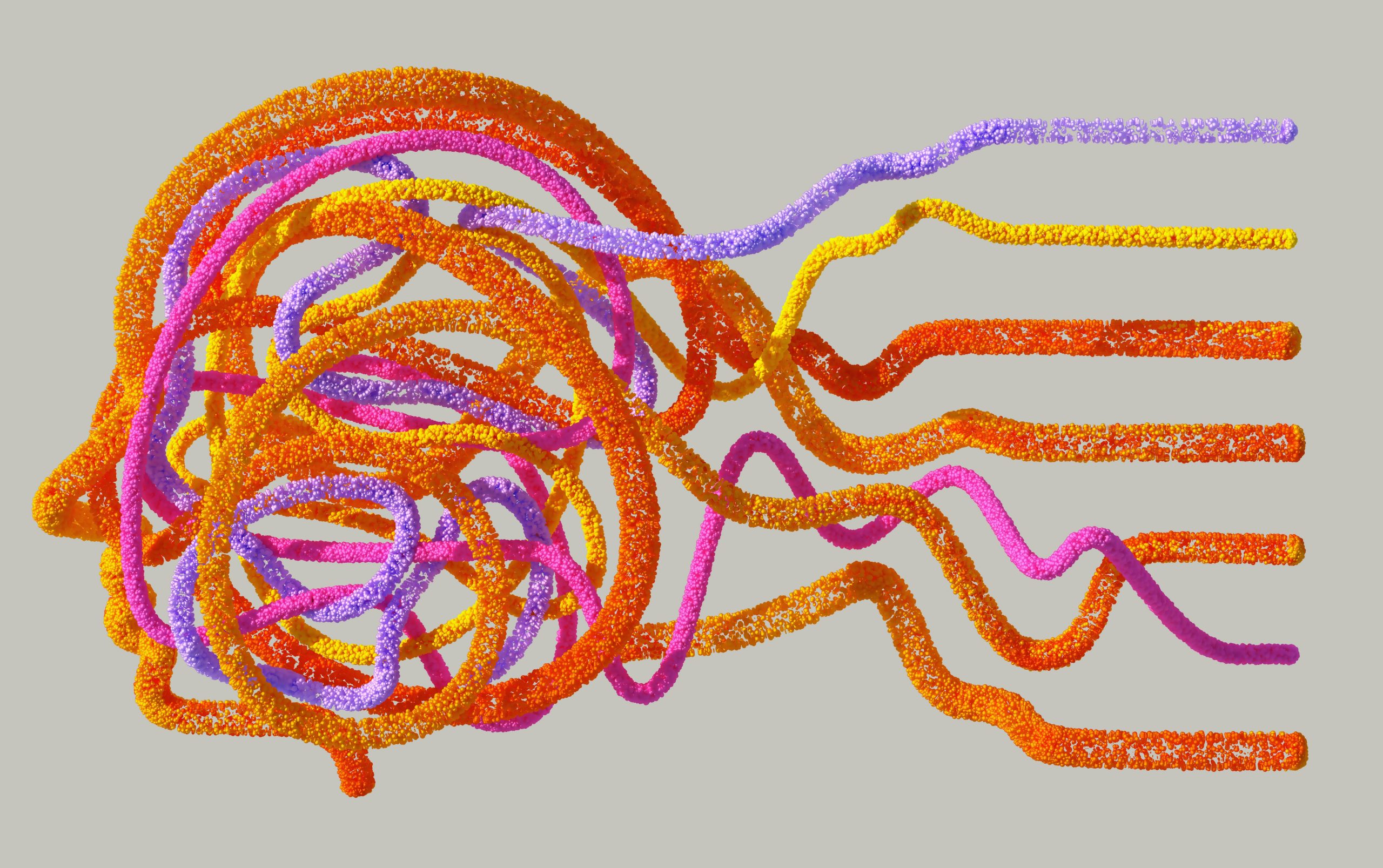
Human beings are natural storytellers—meaning-makers and pattern seekers. For much of modern history, we were taught that the adult brain was essentially fixed, its personality traits and emotional tendencies set like hardened clay. However, contemporary neuroscience reveals a far more dynamic picture. The brain remains malleable throughout the lifespan, continually adapting to experience, environment and intention. This lifelong ability to reorganize itself is known as neuroplasticity, and it is not only a biological principle but also a gateway into understanding emotional healing, personal transformation and the deeper spiritual dimensions of human life.
The idea that focusing on positive experiences can literally alter the architecture of the brain is not metaphorical. It is grounded in decades of research exploring how neural pathways strengthen, weaken or reorganize in response to what we repeatedly practice or pay attention to. When you choose—consciously and consistently—to notice the good, you stimulate neural circuits associated with reward, resilience and emotional stability. Over time these circuits become more dominant, making optimism feel more instinctive and less effortful (Harvard Medical School).
This is the subtle power of neuroplasticity. Transformation is not merely psychological, nor is it solely spiritual. It is a physiological process that echoes ancient teachings about training the mind, cultivating presence and directing attention with purpose. Practices such as meditation, gratitude, mantra recitation, prayer and visualization have long been used to reshape consciousness. Modern neuroscience can now explain the mechanisms behind their effectiveness (National Institutes of Health).
In this expanded article, we will explore the science of neuroplasticity, how focusing on the positive reshapes the brain, the role of lifestyle and habits, and how modern research intersects with ancient wisdom.
Neuroplasticity refers to the brain’s capacity to modify its structure, function and network organization in response to internal and external influences. These modifications include forming new synapses, strengthening existing connections, pruning weaker pathways and even reorganizing entire regions following injury (American Psychological Association).
Researchers typically distinguish two major types:
1. Functional Plasticity
The brain’s capacity to shift functions from damaged areas to healthy ones. This is commonly observed during stroke recovery, in which intact regions of the cortex reorganize to support lost functions (Mayo Clinic).
2. Structural Plasticity
The physical changes in neural wiring that occur when we learn new skills or repeatedly engage in specific mental or emotional practices. Structural plasticity is essential for memory formation, skill acquisition and emotional conditioning.
Much of this adaptation occurs at the synaptic level through a process known as long-term potentiation (LTP). Repeated activation of a neural circuit strengthens the synapse, making communication between neurons more efficient over time. This biological mechanism is the foundation for learning, habits and emotional patterns (Nature Neuroscience).
This is also why focusing on the positive becomes self-reinforcing. Each time you redirect your attention toward something uplifting or meaningful, you activate circuits linked to reward and emotional regulation. With repetition, these circuits become the brain’s preferred pathways.
Conversely, chronic stress or persistent rumination strengthens neural networks associated with fear and threat detection. The brain becomes more reactive not because life objectively worsens but because those circuits have been reinforced through habitual activation. Neuroplasticity is neutral—it enhances whatever we repeatedly practice, whether beneficial or harmful.
Recognizing this gives us profound agency. We are not bound by fixed emotional tendencies. We can participate in designing a mind that supports the life we aspire to live.

Neuroplasticity unfolds gradually through repeated experiences. When someone intentionally focuses on the good, several neurobiological processes begin to take place.
1. Activation of Reward Systems
Shifting attention to positive stimuli increases levels of dopamine and other neuromodulators linked to motivation and learning. This reinforces the behavior and encourages the brain to strengthen the associated pathways (The Journal of Neuroscience).
2. Strengthening of Synaptic Connections
Repeated experiences of gratitude or mindfulness induce LTP, making synapses fire more efficiently. With time, what began as an intentional practice becomes second nature.
3. Pruning of Negative Bias Circuits
The brain naturally prunes unused synapses. As positive circuits strengthen, certain negative bias pathways lose dominance—helping the brain maintain balance rather than defaulting to threat or stress.
4. Improved Stress Regulation
Strengthened positive circuits increase the resilience of the prefrontal cortex while lowering reactivity in the amygdala. This creates emotional steadiness and enhances the ability to respond rather than react (Yale School of Medicine).
Over time, individuals begin noticing more moments of beauty, kindness and possibility. Emotional reactivity softens, adaptability improves and life is perceived through a broader and more accurate lens.
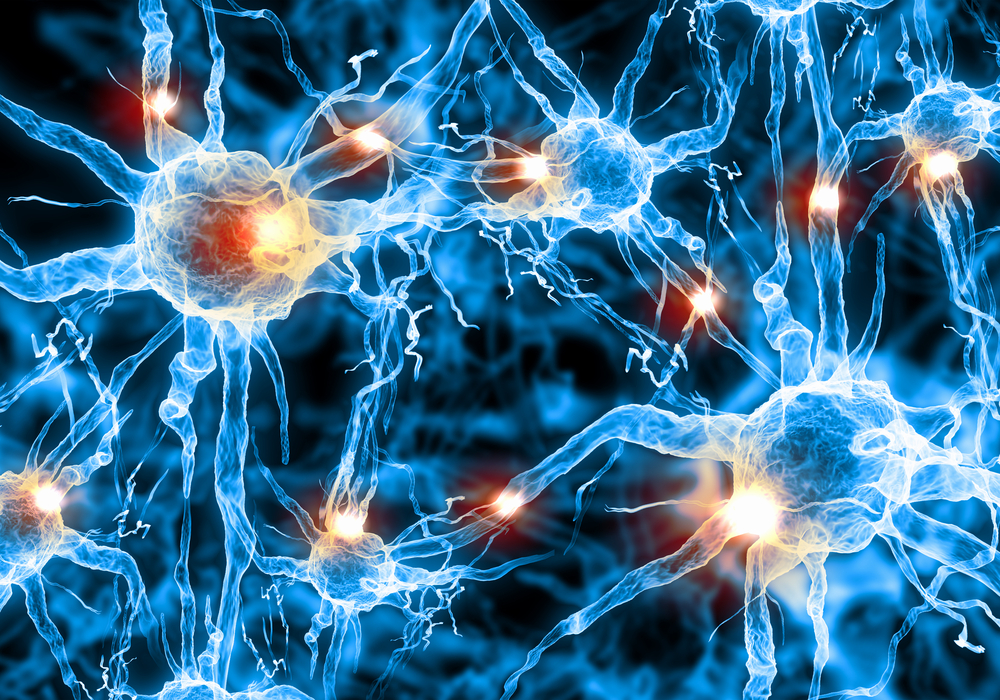
Beyond synaptic strengthening, several deeper processes also shape the brain’s adaptability:
• Adult Neurogenesis
Some brain regions, especially the hippocampus, may generate new neurons throughout adulthood, though the extent remains debated. Factors such as exercise, enriched environments and emotional wellbeing appear to support neurogenesis (Cell Stem Cell).
• Functional Reorganization
The brain redistributes activity to support new behaviors or healing processes—not only after injury but also during skill learning, emotional recovery and therapy.
• Metaplasticity
This refers to the brain’s ability to change how easily it undergoes plasticity. In other words, the more we engage in inner work, the more receptive the brain becomes to further transformation.
• Maladaptive Plasticity
The brain can reorganize itself in unhelpful ways. Trauma, chronic stress or repetitive negative thinking may create patterns of distress. This is not a personal failure—it is biology that can be redirected with intentional practice, support and healthier habits.
These mechanisms reveal an extraordinary truth: the mind is a living, evolving system, shaped continuously by experience.
Because the brain changes in response to experience, many evidence-backed practices can strengthen positive neural pathways:
Gratitude journaling increases activity in reward circuits and enhances emotional wellbeing (University of California, Berkeley).
Mindfulness meditation thickens regions involved in attention, empathy and emotional regulation (Massachusetts General Hospital).
Learning new skills—languages, music, art—stimulates structural plasticity and protects cognitive health.
Physical exercise raises levels of brain-derived neurotrophic factor (BDNF), a protein essential for neural growth (The Lancet).
Quality sleep supports synaptic growth and memory consolidation.
Meaningful social engagement strengthens networks associated with communication and resilience.
Novel environments such as travel promote enriched neural stimulation and adaptive flexibility.
Nutritious diets that reduce inflammation support cognitive function and neural protection.
Combined with the intention to focus on the good, these practices create favorable conditions for lasting transformation.

Long before neuroscience articulated the principles of neuroplasticity, ancient contemplative traditions taught that the mind is trainable. Meditation, breath practices, visualization rituals and contemplative prayer all emphasized the importance of cultivating attention and intention.
From a spiritual viewpoint, focusing on the positive is not about ignoring hardship—it is about attuning the mind to deeper currents of meaning, connection and possibility. Many traditions teach that qualities like compassion and gratitude align the heart with what is most real and life-affirming.
Neuroscience provides the biological explanation: practices that cultivate inner peace or awareness strengthen networks related to empathy, self-regulation and insight. Temporary emotional states gradually transform into enduring traits.
Thus, science and spirituality converge: one describes the inner experience, the other the mechanism that enables it.

Advances in imaging technology reveal increasingly precise insights into how networks shift during learning, emotional processing or recovery. Research on lifestyle factors—sleep, environment, exercise, mindfulness—shows that the brain is shaped more by daily habits than previously believed.
Additional areas of growth include:
Cognitive reserve, which refers to the brain’s resilience against aging and disease, strengthened by lifelong learning and engagement.
Rehabilitative therapies such as mirror therapy, constraint-induced movement therapy and brain-computer interfaces, which intentionally harness neuroplasticity for healing.
Pharmacological tools that enhance plasticity windows during recovery from trauma or injury.
Concerns about modern stressors, including chronic stress, poor diet and sleep deprivation, which can hinder healthy plasticity.
Researchers increasingly highlight that the brain is most plastic in environments rich in novelty, emotional safety and meaningful engagement—conditions emphasized in both ancient spiritual communities and modern psychological programs.
This suggests that human flourishing emerges at the intersection of biological adaptability and conscious choice.

The discovery that attention shapes neural architecture is a powerful reminder that humans are active participants in their inner world. Neuroplasticity shows that change is not only possible but biologically supported. With consistent intention, the brain can become more resilient, more balanced and more open to the beauty woven throughout everyday life.
This does not require denying pain or pretending challenges do not exist. Instead, it means training the mind to see life in its fullness—including the good that is often overshadowed.
What you focus on, you strengthen.
What you practice, your brain wires into habit.
And every moment offers a chance to begin shaping a more grounded, compassionate and joyful inner landscape.
Harvard Medical School
National Institutes of Health (NIH)
American Psychological Association
Mayo Clinic
Nature Neuroscience
Yale School of Medicine
Cell Stem Cell
University of California, Berkeley – Greater Good Science Center
Massachusetts General Hospital
The Lancet
If you'd like, I can also format this as a PDF, turn it into a more academic-style article, or adapt it for another audience.