Sudden Cardiac Arrest: What Makes It Deadly and How to Respond
Understanding why sudden cardiac arrest is so deadly — and knowing how to respond immediately — can dramatically improve survival outcomes.
What Is Sudden Cardiac Arrest?
Sudden cardiac arrest occurs when the heart suddenly stops pumping blood effectively. This is caused by a malfunction in the heart’s electrical system, most commonly a life-threatening arrhythmia such as ventricular fibrillation.
When the heart stops, oxygen-rich blood can no longer reach the brain and vital organs. Loss of consciousness occurs within seconds, and death can follow within minutes if no action is taken.
It is important to distinguish cardiac arrest from a heart attack. A heart attack is caused by blocked blood flow to the heart muscle, while cardiac arrest is an electrical failure. However, a heart attack can trigger cardiac arrest.
Why Sudden Cardiac Arrest Is So Deadly
1. It Happens Without Warning
Many victims have no obvious symptoms beforehand. Even people who appear healthy may suddenly collapse.
2. The Brain Cannot Survive Without Oxygen
Permanent brain damage can begin after just 4–6 minutes without oxygen.
3. Survival Depends on Immediate Action
Each minute without CPR or defibrillation reduces survival chances by up to 10%.
4. Most Events Occur Outside Hospitals
The majority of cardiac arrests happen at home or in public places where immediate medical help is not available.
Common Causes of Sudden Cardiac Arrest
-
Coronary artery disease
-
Previous heart attack
-
Cardiomyopathy
-
Congenital heart defects
-
Severe electrolyte imbalances
-
Drug overdose
-
Extreme physical exertion
-
Electrical abnormalities of the heart
Warning Signs That May Appear Before Cardiac Arrest
Although sudden cardiac arrest often strikes without warning, some people experience symptoms hours or days before, including:
-
Chest pain or discomfort
-
Shortness of breath
-
Extreme fatigue
-
Dizziness or fainting
-
Heart palpitations
These symptoms should never be ignored.
How to Respond to Sudden Cardiac Arrest
Step 1: Call Emergency Services Immediately
Every second matters.
Step 2: Begin CPR
Push hard and fast in the center of the chest at a rate of 100–120 compressions per minute.
Step 3: Use an AED if Available
Automated external defibrillators analyze heart rhythm and deliver a shock if needed.
Step 4: Continue Until Help Arrives
Do not stop unless the person regains consciousness or professionals take over.
Can Sudden Cardiac Arrest Be Prevented?
While not all cases can be prevented, risk can be reduced by:
-
Managing blood pressure and cholesterol
-
Treating heart disease early
-
Avoiding smoking and recreational drugs
-
Maintaining healthy electrolytes
-
Undergoing cardiac screening if at high risk
Conclusion
Sudden cardiac arrest is deadly because it offers no second chances. Knowledge, preparedness, and fast action save lives. Learning CPR and recognizing warning signs can turn ordinary people into lifesavers.
News in the same category


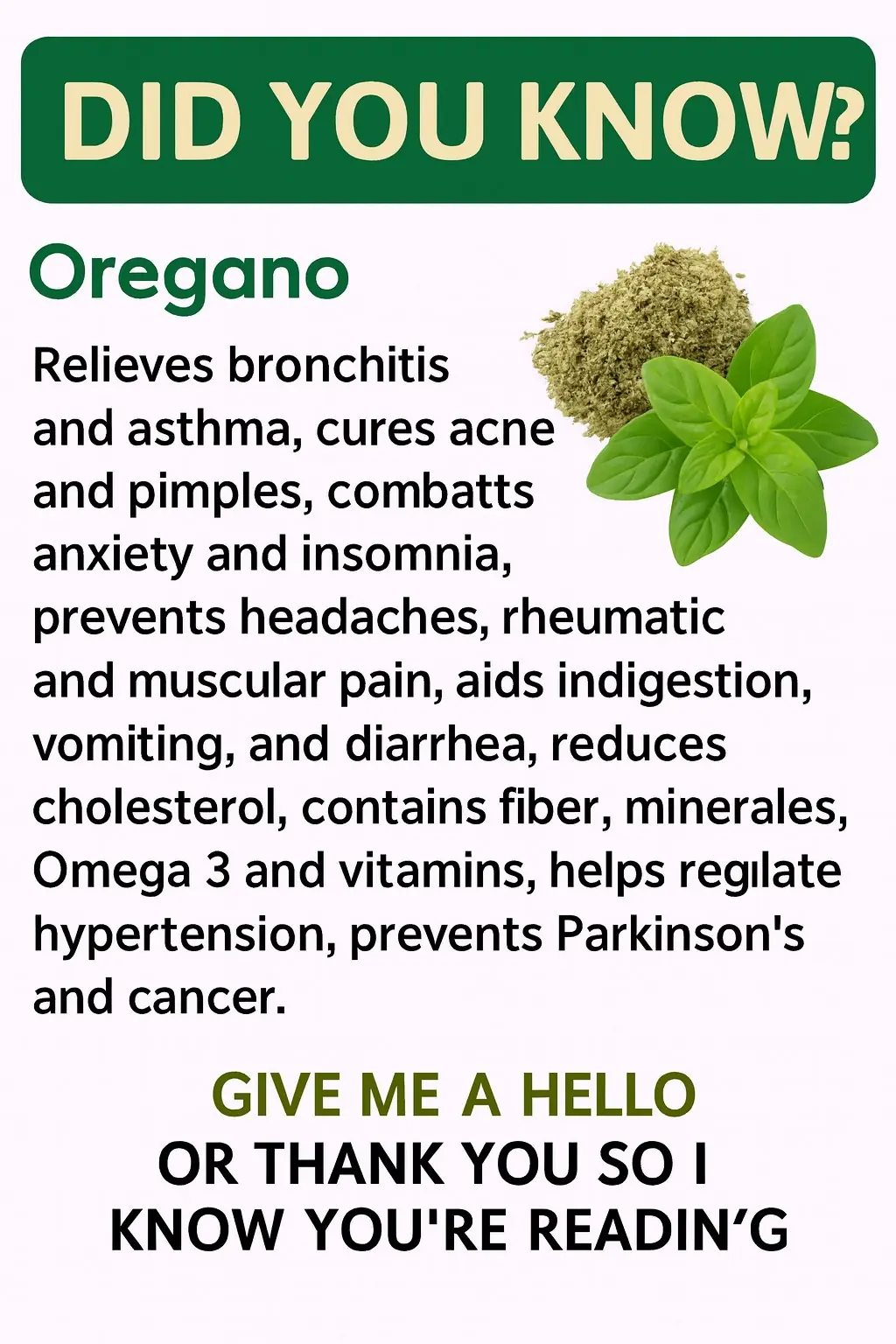
Oregano: The Small Plant with Big Health Benefits

Fatty liver disease: 6 symptoms you need to know

Liver Damage Linked to Supplement Use Is Surging, Sparking Scientific Alarm

No More Fillings? Scientists Successfully Grow Human Teeth in the Lab

Lab Study Shows Dandelion Root Kills Over 90% of Colon Cancer Cells In Just Two Days

7 Red Flag Phrases Narcissists Use to Exert Control During Arguments

If These 8 Activities Energize You Instead of Drain You, You’re Likely a Highly Intelligent Introvert

Inflammation Is On Your Plate: 20 Foods That Harm Your Body And 20 That Heal

The Hidden Power of Garlic: 7 Powerful Uses Beyond Cooking

Inflammation Is On Your Plate: 20 Foods That Harm Your Body And 20 That Heal

Children Who Are Hugged Often Have Stronger Immune Systems, Studies Show

1 Cup to Cleanse Your Lungs of Phlegm and Toxins

Study Finds This Popular Sweetener Damages the Brain’s Protective Barrier

Highly Contagious Stomach Bug Doubles in Midwest Ahead of Holiday Season

Lactose Intolerance: Why It Develops Later in Life and How to Manage It

Diverticulitis: Pain Patterns and Treatment Guidelines

Hypertensive Crisis: Symptoms That Require Immediate Attention

High Triglycerides: Why They Matter More Than You Think

Angina Pain: What It Really Means and When to Seek Help
News Post

California Surpasses Japan to Become the Fourth-Largest Economy in the World

Why Aging Skin Develops a Distinct Body Odor—and What Science Says Can Help

Photographer Captures Dream Shot of Full Moon Over Christ the Redeemer After Three Years of Effort

China Successfully Tests 3D-Printed Micro Turbojet Engine in Landmark Flight Achievement

Swiss Researchers Trial Blood Filtration Device for Alzheimer's Treatment

Bear Takes Over Truckee Diner in Hilarious Culinary Heist

Many people believe they need to walk ten thousand steps daily to stay healthy

The Quieting Skies: A Stark Decline in North America's Bird Population

Does This Drink Really Harm Your Bones? The Truth Behind Soda and Your Health

Oregano: The Small Plant with Big Health Benefits

Sea Otter Takes Over Santa Cruz Surf Scene: A Bold and Unpredictable Presence

Australia's Revolutionary Bionic Eye: A New Era in Restoring Vision

10 Best Collagen Gels For Wrinkle Free Glowing Skin

Why You Might Want to Stop Removing Tomato Suckers: What Gardeners Are Starting to Realize

Banana Blossom: Health Benefits, Recipes, and Traditional Uses

These Ideas Are Amazing: 10 Surprising Ways Dryer Sheets Can Make Your Life Easier

Best Seeds For Hair

My Uncle Swears by This 6-Minute Trick to Stop Ice Buildup Inside Garage Door Seals — Here’s How It Works

My Uncle Swears by This 6-Minute Trick to Stop Ice Buildup Inside Garage Door Seals — Here’s How It Works