The Wisdom of a Short Life: Why Dogs Leave Us So Soon
Life stories 30/12/2025 17:55
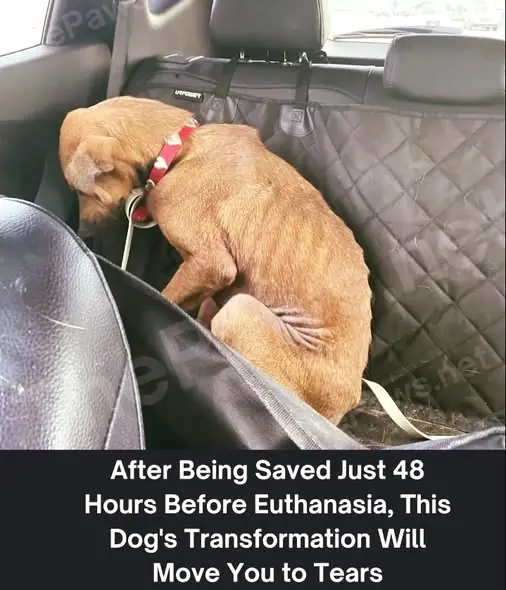
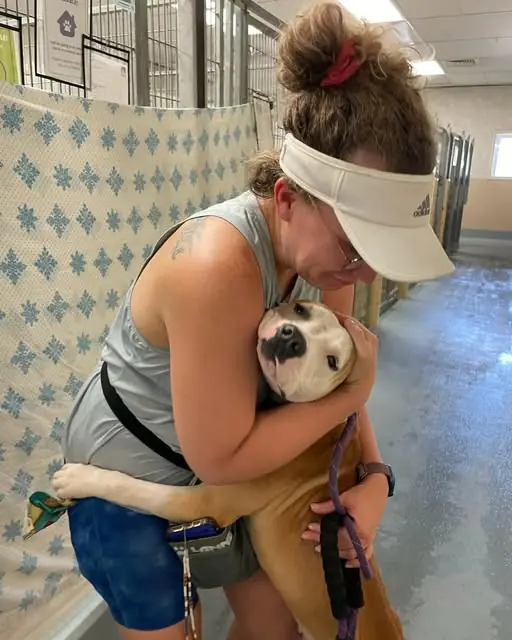
There is a specific kind of joy that can only be found in the passenger seat of a car leaving an animal shelter. It is captured perfectly in the "happy little face" of a dog who finally realizes the kennel door has closed for the last time. As this sweet pup begins his journey to a forever home, he isn't just changing his address; he is entering a partnership that science suggests will transform both his life and the life of his new human.
In the rescue community, the first trip from the shelter to a permanent home is known as the "Freedom Ride." For many dogs, this is the first time in months—or even years—that they have experienced the sensory delights of the world outside a concrete enclosure: the scent of fresh air, the wind in their fur, and the undivided attention of a dedicated guardian.
According to Shelter Animals Count, a national database tracking animal welfare statistics, over 2.2 million dogs are adopted from U.S. shelters annually. Each of these adoptions represents a massive logistical effort involving volunteers, donors, and advocates. That "happy face" we see in the window is the culmination of a community’s refusal to give up on a life.
While the immediate goal of adoption is to provide safety for the dog, the benefits are profoundly mutual. The Human Animal Bond Research Institute (HABRI) has conducted extensive studies showing that the relationship between a rescue dog and their owner provides significant health advantages for humans, including:
Lowered Blood Pressure: The simple act of petting a dog can reduce cortisol (the stress hormone) and lower blood pressure.
Mental Health Support: 74% of pet owners reported mental health improvements from pet ownership, specifically regarding the reduction of loneliness and anxiety.
Increased Physical Activity: Dog owners are significantly more likely to meet daily exercise requirements through walking, contributing to better cardiovascular health.
The transition from a shelter to a home is a delicate process. Animal behaviorists at The ASPCA recommend the "Rule of Three" to help new owners manage expectations during this period. For this "sweet pup," the next few months will involve three distinct stages:
The First 3 Days: A period of decompression where the dog may feel overwhelmed.
The First 3 Weeks: A time of discovery where the dog’s true personality begins to emerge as they learn the household routine.
The First 3 Months: The stage where total trust is established, and the dog finally feels "at home."
As this dog moves toward a future filled with cuddles and wagging tails, he serves as an ambassador for the millions of dogs still waiting in shelters. Adoption is more than just "saving" an animal; it is an investment in a unique form of companionship that asks for very little and gives everything in return.
Every wagging tail is a reminder that while we cannot change a dog's past, we have the absolute power to rewrite their future. Here is to a lifetime of joy for this brave pup and his new human—may their bond be a testament to the transformative power of a second chance.
| Metric | Impact of Adoption | Source |
| Annual Adoptions | ~2.2 Million Dogs | Shelter Animals Count |
| Stress Reduction | 84% of owners feel more relaxed with a pet. | HABRI Research |
| Shelter Intake | Adoptions help reduce overcrowding in high-kill areas. | Best Friends Animal Society |