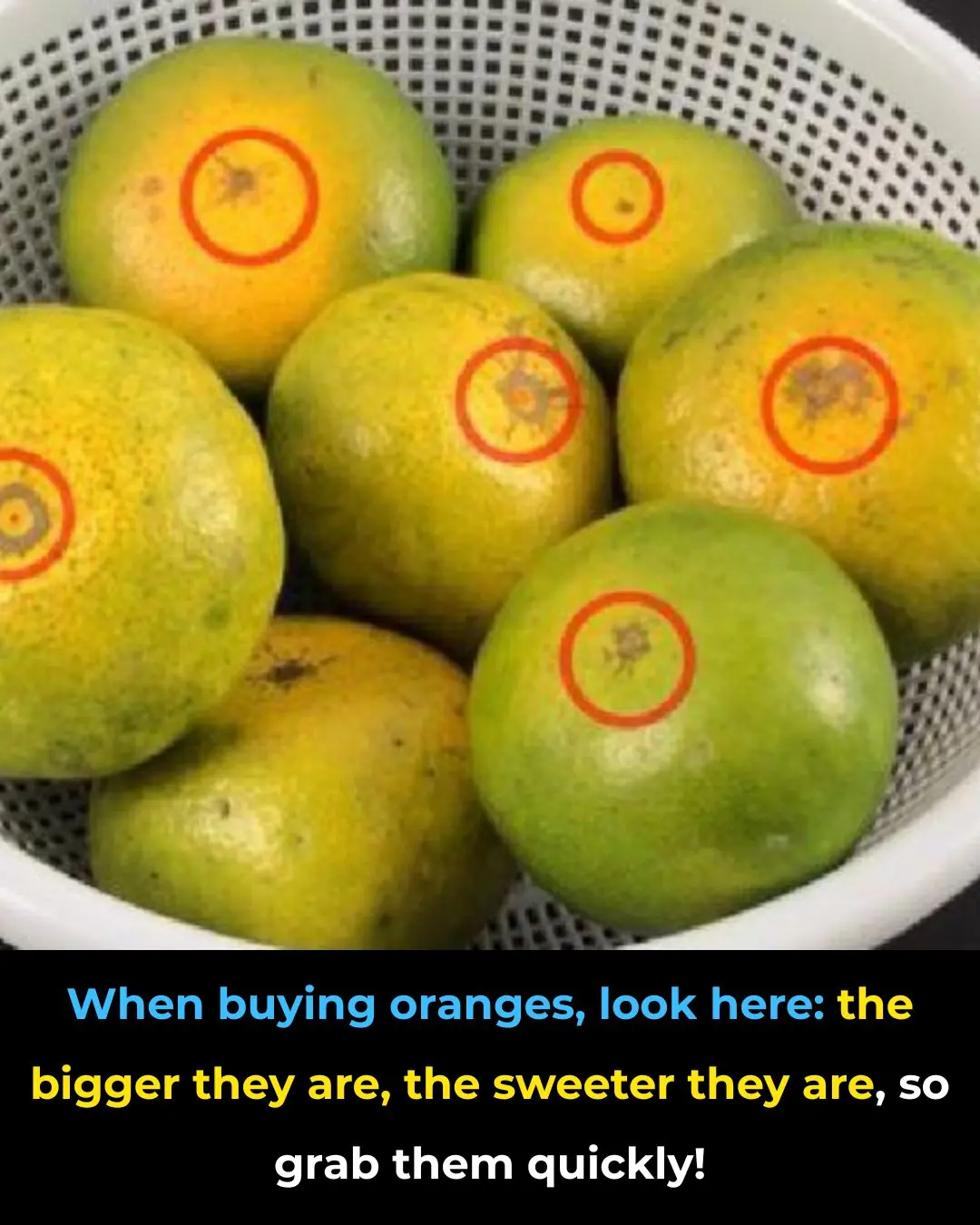
When buying oranges, look here: the bigger they are, the sweeter they are, so grab them quickly!
Tips 30/12/2025 14:24

Water is essential for life and makes up roughly 60% of the human body. It plays a vital role in almost every bodily function, including regulating body temperature, transporting nutrients and oxygen, lubricating joints, and removing waste through urine and sweat. Despite how critical water is to overall health, many people still fail to drink enough each day, which can lead to dehydration and a variety of health-related issues.
Dehydration does not always present itself in obvious ways. While extreme thirst is a clear warning sign, many symptoms are subtle and often overlooked. Recognizing these early indicators can help prevent more serious complications. This article outlines common signs that may suggest you are not drinking enough water and provides practical tips to help you stay properly hydrated.
Proper hydration is essential for maintaining balance within the body and allowing all systems to function efficiently. General guidelines suggest that women should consume about 2.7 liters (91 ounces) of water per day and men about 3.7 liters (125 ounces), including fluids from both beverages and food. Water supports digestion, circulation, brain function, and temperature regulation.
When the body does not receive enough fluids, dehydration can develop, leading to symptoms ranging from mild discomfort to serious health problems such as kidney stones, urinary tract infections, and heat-related illnesses. Understanding the importance of hydration is the first step toward making it a daily priority.
Dry or dull-looking skin is often one of the earliest signs of dehydration. When water intake is low, the body prioritizes vital organs, leaving the skin less hydrated. This can cause the skin to feel tight, flaky, or rough to the touch. In more severe cases, dehydration may worsen existing skin conditions or trigger flare-ups.
Increasing your water intake can improve skin hydration from the inside out. Combined with proper skincare, drinking enough water helps maintain elasticity, smoothness, and a healthy glow.
Persistent tiredness or lack of energy can be linked to dehydration. Water plays a key role in energy production and circulation. When dehydrated, blood volume decreases, forcing the heart to work harder to deliver oxygen and nutrients to cells, which can result in fatigue and sluggishness.
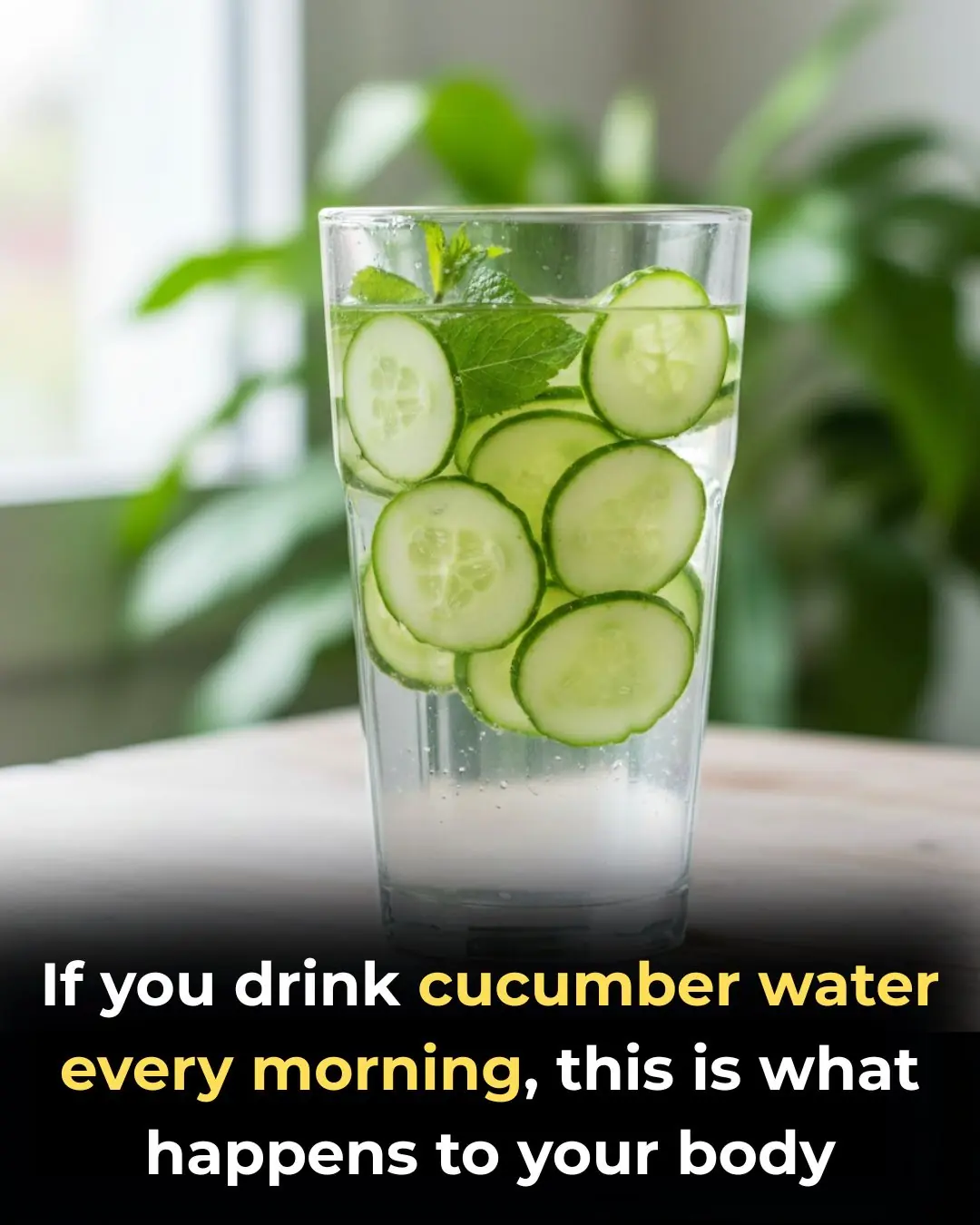
Drinking water consistently throughout the day and consuming water-rich foods such as cucumbers, oranges, and leafy greens can help restore energy levels and improve focus.
Dehydration is a well-known trigger for headaches and migraines. When the body lacks fluids, the brain can temporarily shrink due to fluid loss, leading to pain and pressure. Research suggests that increasing water intake may reduce both the frequency and severity of headaches in some individuals.
If a headache develops, drinking water may help relieve symptoms. Keeping a reusable water bottle nearby can serve as a simple reminder to stay hydrated and prevent headaches before they start.
Urine color is one of the easiest ways to assess hydration status. Light yellow or pale straw-colored urine generally indicates proper hydration, while dark yellow or amber urine suggests that the body is conserving water due to insufficient intake.
Monitoring urine color throughout the day can help you adjust your fluid intake and maintain healthy hydration levels.
Feeling dizzy or lightheaded can occur when dehydration affects blood pressure and circulation. Reduced blood volume may lead to lower blood pressure, decreasing blood flow to the brain, especially when standing up quickly.
Staying adequately hydrated helps maintain stable blood pressure and reduces the likelihood of dizziness and faintness.
Muscle cramps are commonly associated with dehydration, particularly during exercise or exposure to heat. Water is essential for muscle contraction and relaxation, and dehydration can disrupt the balance of electrolytes such as sodium and potassium.
To reduce the risk of cramps, drink water before, during, and after physical activity. In some cases, electrolyte-rich drinks can also help replenish lost minerals.
Dehydration can reduce saliva production, leading to dry mouth and unpleasant breath. Saliva helps wash away bacteria in the mouth, and without it, bacteria can multiply more easily.
Increasing water intake, chewing sugar-free gum, and maintaining good oral hygiene can help combat dry mouth and keep breath fresh.
Sometimes dehydration is mistaken for hunger. When the body lacks water, the liver struggles to release stored energy efficiently, which may trigger cravings—especially for sugary foods.
Before reaching for a snack, try drinking a glass of water. This can help determine whether the craving is due to hunger or dehydration and may also help control unnecessary calorie intake.
A noticeable decrease in how often you urinate can signal dehydration. Most people urinate around six to seven times a day. Going significantly less often may indicate that your body is conserving water.
Making a conscious effort to sip water regularly throughout the day can help restore normal urination patterns and support kidney health.
Modern lifestyle trends have introduced creative ways to encourage better hydration. Water bottles with time markers help remind you when and how much to drink throughout the day, making hydration more engaging and structured.
Another popular approach is infusing water with fruits, herbs, or vegetables to enhance flavor naturally. Using hydration-tracking apps and setting daily water goals can also boost motivation and accountability, helping you develop a consistent hydration habit.
Staying hydrated is one of the simplest yet most powerful ways to support your overall health. By paying attention to your body’s signals and making small daily changes, you can prevent dehydration and improve energy, digestion, skin health, and mental clarity. Drinking enough water is not just a habit—it’s a foundation for long-term well-being.