Garden Healthy 05/02/2026 21:55
The Hidden Power of the Honey Locust Tree (Gleditsia triacanthos): Health, Healing, and Everyday Uses
The Honey Locust tree (Gleditsia triacanthos) is far more than a striking ornamental tree known for its fierce thorns and long, twisted brown seed pods. Beneath its rugged exterior lies a remarkable source of natural benefits hidden in its bark, pods, leaves, and seeds. Native to North America, this hardy tree has been valued for centuries by Native American tribes, early settlers, and traditional herbalists for its medicinal, nutritional, and practical uses.
What makes the Honey Locust truly special is that nearly every part of the tree can be put to good use. From the naturally sweet pod pulp to the bioactive compounds found in its bark and leaves, this tree offers solutions for wellness, food preparation, skincare, and even environmental sustainability. Below is a comprehensive guide to the Honey Locust tree, including easy, beginner-friendly ways to use it safely and effectively.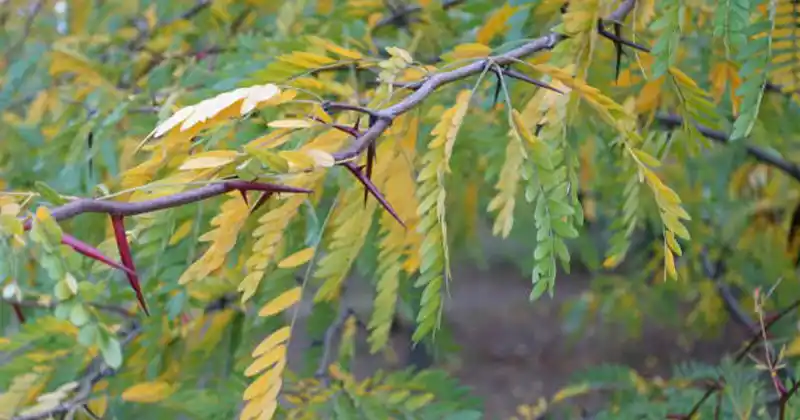
1. Health and Medicinal Benefits
The Honey Locust contains beneficial natural compounds such as saponins, tannins, alkaloids, and flavonoids. Together, these substances contribute to its antimicrobial, anti-inflammatory, and antioxidant properties, making the tree a valuable ally in traditional medicine.
1. Antimicrobial Properties
Extracts made from Honey Locust bark and pods have demonstrated antibacterial and antifungal effects. Traditionally, bark decoctions were applied to minor wounds or used as mouth rinses to reduce bacterial growth and support oral health.
Simple home preparation:
Boil a small handful of dried bark chips in two cups of water for 15–20 minutes. Allow it to cool, strain, and use the liquid as a gentle rinse for small cuts, insect bites, or irritated gums.
2. Digestive Support
The soft pulp inside mature pods has a mildly sweet taste and has long been used to stimulate digestion. It was traditionally consumed to relieve mild constipation, bloating, and sluggish digestion.
Simple home preparation:
Dry the pulp from ripe pods and mix about one teaspoon into warm water or herbal tea once daily. It acts as a gentle natural laxative while supporting overall gut health.
3. Respiratory Relief
Honey Locust bark and pods were commonly used in folk medicine to ease coughs, chest congestion, and breathing discomfort. The natural saponins help loosen mucus and support clearer airways.
Simple home preparation:
Simmer one teaspoon of crushed bark in one cup of water for 10–15 minutes. Strain and drink half a cup twice daily. Adding honey can help balance the bitter flavor and soothe the throat.
4. Anti-Inflammatory Applications
When used externally, Honey Locust bark and leaves may help reduce swelling, pain, and skin irritation. Poultices were traditionally applied to insect bites, sore joints, and minor skin issues.
Simple home preparation:
Grind dried bark into a fine powder and mix it with warm water or coconut oil to form a paste. Apply to the affected area for 15–20 minutes, then rinse clean.
5. Detoxification and Liver Support
The pods and leaves contain antioxidants that help neutralize free radicals and support the body’s natural detox processes, including liver function.
Simple home preparation:
Brew a mild tea using one or two small pieces of dried pod. Drink once every few days as a gentle cleansing beverage rather than a daily tonic.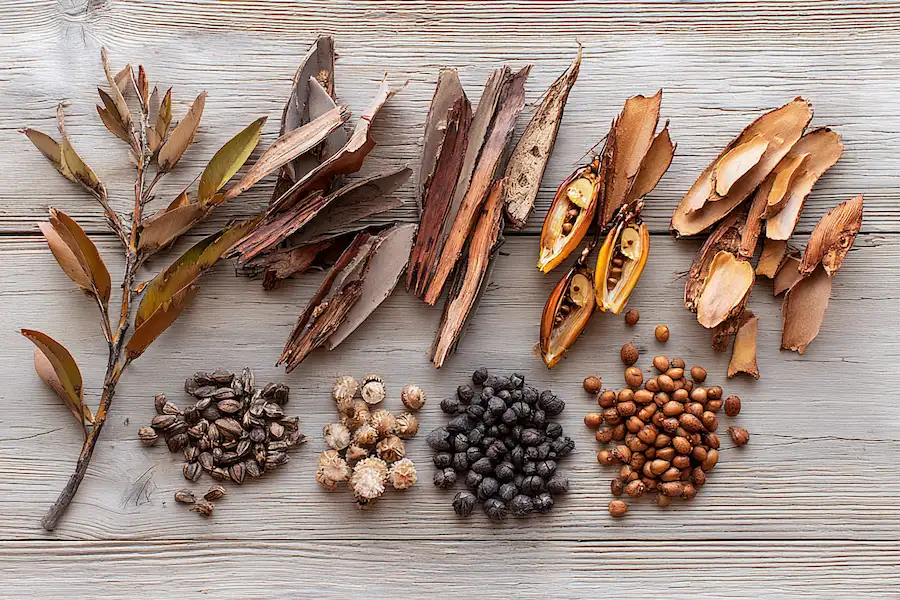
2. Culinary Uses
Despite its intimidating thorns, the Honey Locust tree provides several edible components when prepared correctly.
1. Sweet Pod Pulp
The tree’s name comes from the naturally sweet, honey-like flavor of its pod pulp. When fully ripe, the pulp is safe to eat and can be used in various recipes.
Ideas for use:
-
Natural sweetener: Dissolve the pulp in warm water to create a syrup similar to molasses.
-
Smoothie booster: Blend the pulp into fruit smoothies for added sweetness and nutrients.
-
Baking ingredient: Dry and grind the pulp into powder to enhance cookies, muffins, or bread.
2. Seeds as a Coffee Alternative
Roasted Honey Locust seeds can be brewed as a caffeine-free coffee substitute with a nutty, earthy aroma and antioxidant benefits.
How to prepare:
Remove seeds from mature pods, roast them at 200°C (400°F) for 10–15 minutes, grind, and brew like regular coffee.
3. Fermented Drinks
Historically, some communities fermented Honey Locust pod pulp to make lightly alcoholic beverages or tonics.
Basic method:
Boil pod pieces in water for 20 minutes, strain, lightly sweeten, and allow to ferment at room temperature for 24–48 hours to produce a mildly tangy drink.
3. Skincare and External Care
Thanks to its natural saponins and antioxidants, Honey Locust can be used in simple beauty and hygiene routines.
1. Gentle Facial Cleanser
Saponins act as natural cleansing agents that remove dirt and excess oil without harsh chemicals.
Simple cleanser:
Mix one tablespoon of bark powder with one teaspoon of honey and enough water to form a paste. Massage onto skin and rinse after five minutes.
2. Hair and Scalp Rinse
Honey Locust pod water can help remove buildup, refresh the scalp, and support stronger hair roots.
Preparation:
Boil pod slices in two cups of water for 15 minutes, cool, strain, and use as a final rinse after shampooing.
4. Environmental and Practical Uses
Beyond personal health, the Honey Locust tree has significant ecological and practical value:
-
Its wood is exceptionally hard and resistant to rot, making it ideal for furniture and fence posts.
-
The nutrient-rich pods can serve as natural livestock feed.
-
The tree improves soil health by fixing nitrogen and enhancing fertility, making it valuable in sustainable land management.
5. Safety Notes and Precautions
Although Honey Locust (Gleditsia triacanthos) is generally safe when used in moderation, it is crucial not to confuse it with Black Locust (Robinia pseudoacacia), which is toxic. Proper identification is essential before harvesting or using any part of the plant.
People with allergies, digestive sensitivity, or chronic health conditions should start with very small amounts. The bark is particularly bitter and should not be consumed in large doses.
The Honey Locust tree stands as one of nature’s overlooked treasures — offering healing, nourishment, and sustainability in a single plant. From its sweet edible pods to its medicinal bark and leaves, it proves that even the most unassuming trees can provide immense value.
With simple methods like boiling, brewing, drying, or grinding, even beginners can safely explore its benefits and discover a powerful natural ally for self-reliance and well-being.
Disclaimer:
This article is for educational purposes only. Always consult a qualified herbalist or healthcare professional before using any plant medicinally, especially if you are pregnant, nursing, or taking medication.
News in the same category
Echinacea (Coneflower): 25 Benefits and How to Use It at Home
Juniper: 20 Remarkable Benefits and How to Use It
Warm Herbal Drinks and Circulation: Why Consistency Matters More Than Strength
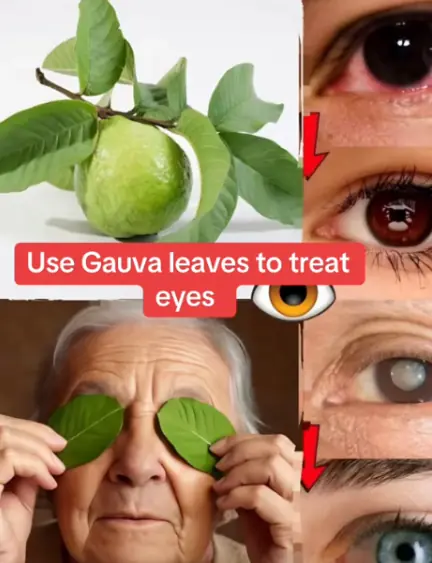
How to use guava to treat eye problems — natural remedies for the eyes

Dust cinnamon lightly on your lips. It works so fast it feels wrong

He Is the Least Likely to Have This Health Problem, According to Researchers

Eat Garlic Daily, But Avoid These 8 Common Mistakes That Ruin Its Benefits

The Leaf Everyone’s Talking About: Soursop Leaves and Their Potential Wellness Benefits
The Forgotten 100-Year-Old Golden Tea That Melts Cholesterol, Balances Blood Sugar, and Restores Kidneys
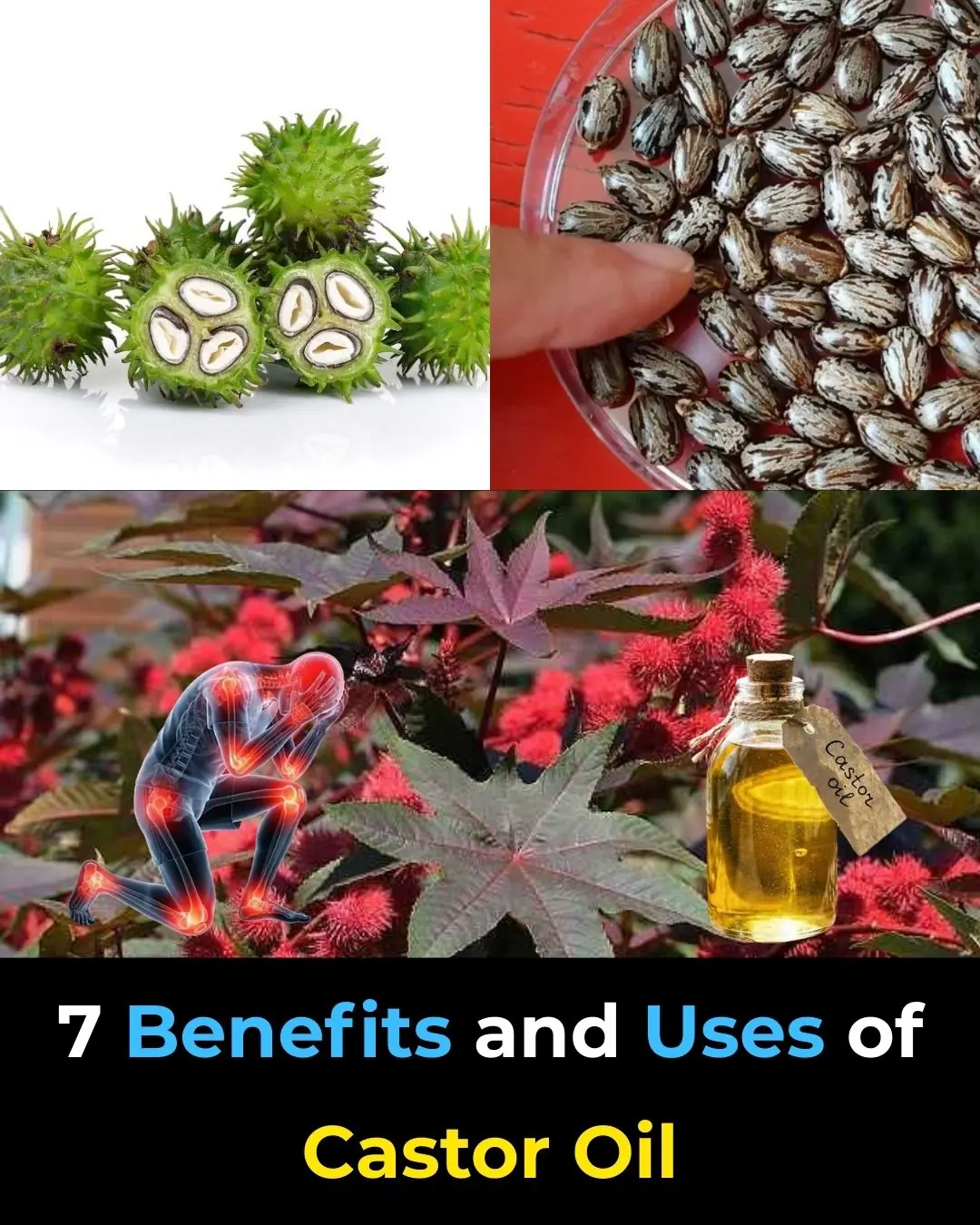
7 Benefits and Uses of Castor Oil
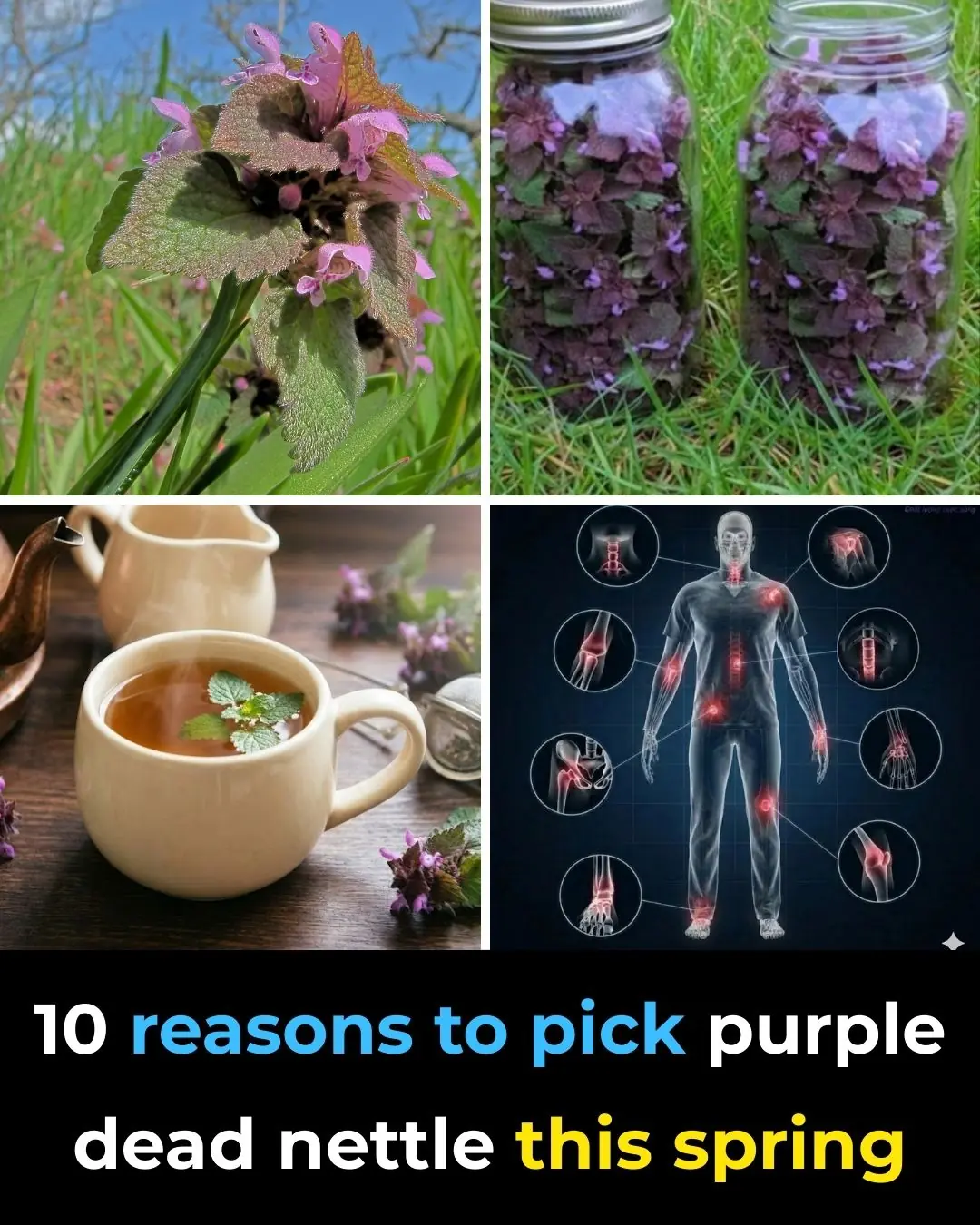
10 Reasons to pick purple dead nettle this spring

Discover How a Simple Cup of Rosemary and Ginger Tea Can Warm Your Body and Transform Your Daily Comfort
The One Bitter Leaf That’s Quietly Making Pillboxes Obsolete for Americans Over 60

7 Amazing Health Benefits of Banana Blossoms
7 Benefits of Corn Silk and How to Use It
Cocklebur Uncovered: The Surprising Traditional Uses of Xanthium Strumarium
Why Everyone’s Talking About Moringa : The Nutrient-Packed “Miracle Tree” That Could Transform Your Daily Wellness
News Post
🌿 The “Hidden Herb” Ancient Healers Protected: Is Nutgrass the Ultimate Secret to Natural Health?
Garden Healthy 05/02/2026 22:00
Juniper: 20 Remarkable Benefits and How to Use It
Garden Healthy 05/02/2026 21:58
Warm Herbal Drinks and Circulation: Why Consistency Matters More Than Strength
Garden Healthy 05/02/2026 21:56

10 Ways to Kill a Toothache In a Minute
Health 05/02/2026 17:11

A Pregnant Woman Warned a Stranger to Run
Life stories 05/02/2026 17:06

This Could Be Why Lung Cancer Is Rising in People Who Never Smoked
Health 05/02/2026 15:08

The Surprising Health Benefits of Boiled Eggs
Health 05/02/2026 15:05

🚨 Recurrent Yeast Infections? STOP Doing These Things Immediately!
Health 05/02/2026 15:02

Doctors Are Amazed: Two Vegetables That Boost Collagen in the Knees and Relieve Joint Pain
Health 05/02/2026 15:00

One Powerful Leaf That Supports Blood Sugar, Blood Pressure, Pain Relief, Cholesterol & Circulation
Health 05/02/2026 14:05
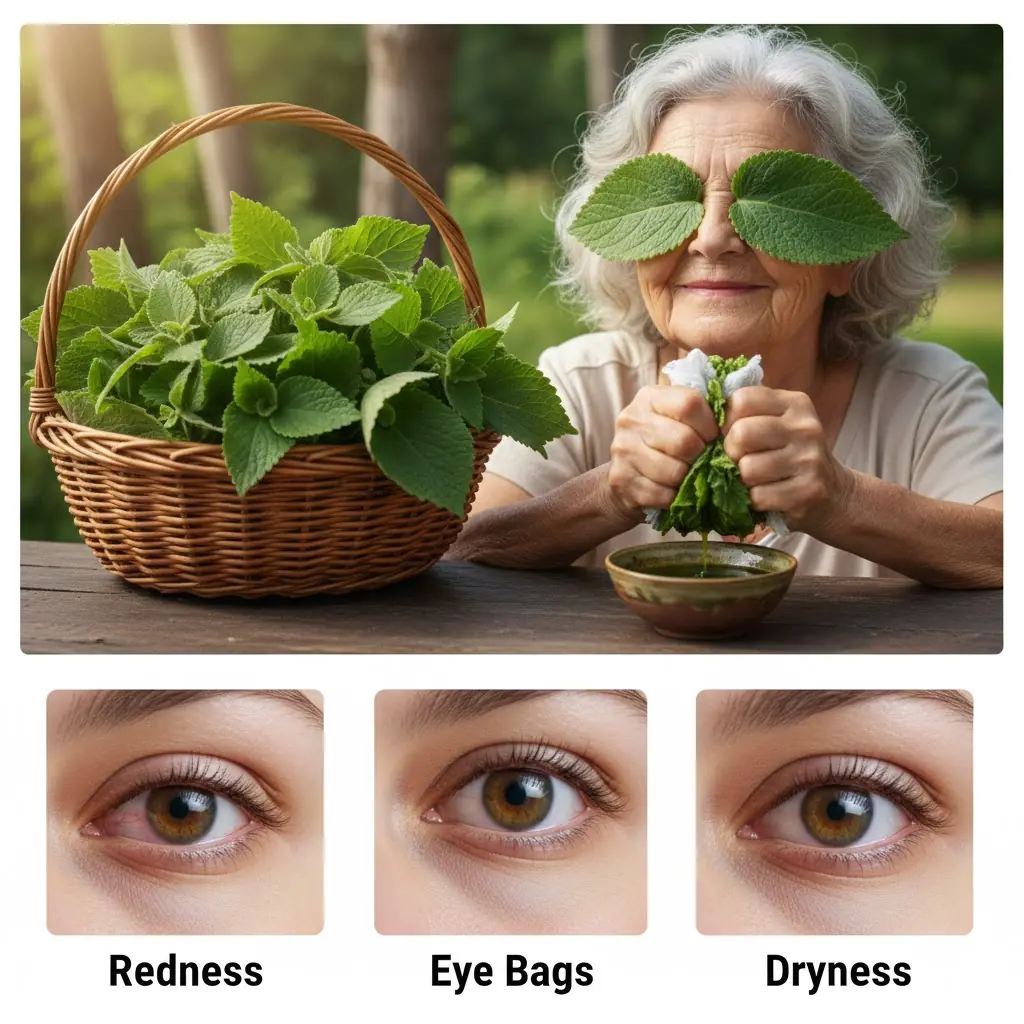
Discover the Natural Benefits of Air Plant Leaf for Daily Eye Care
Health 05/02/2026 14:03

Step-by-Step Guide to Making a Homemade Baking Soda Cream for Skin Care
Health 05/02/2026 13:58

The Forgotten Leaf That Might Support Your Defenses (No Magical Promises)
Health 05/02/2026 13:56

The Nighttime Bite That May Help Wake Up Your Circulation
Health 05/02/2026 13:53

The Boy Who Ended the Robbery
Life stories 05/02/2026 10:02

Natural Energy Booster: Ginger and Tomato for Long Day Vitality
Health 04/02/2026 22:59

This Grocery Store Moment Changed Two Lives Forever
Life stories 04/02/2026 22:51

15 autoimmune warning signs your doctor keeps dismissing as stress or aging
Health 04/02/2026 22:37

They Laughed at His Age – Until His Past Caught Up With Them
Life stories 04/02/2026 22:37