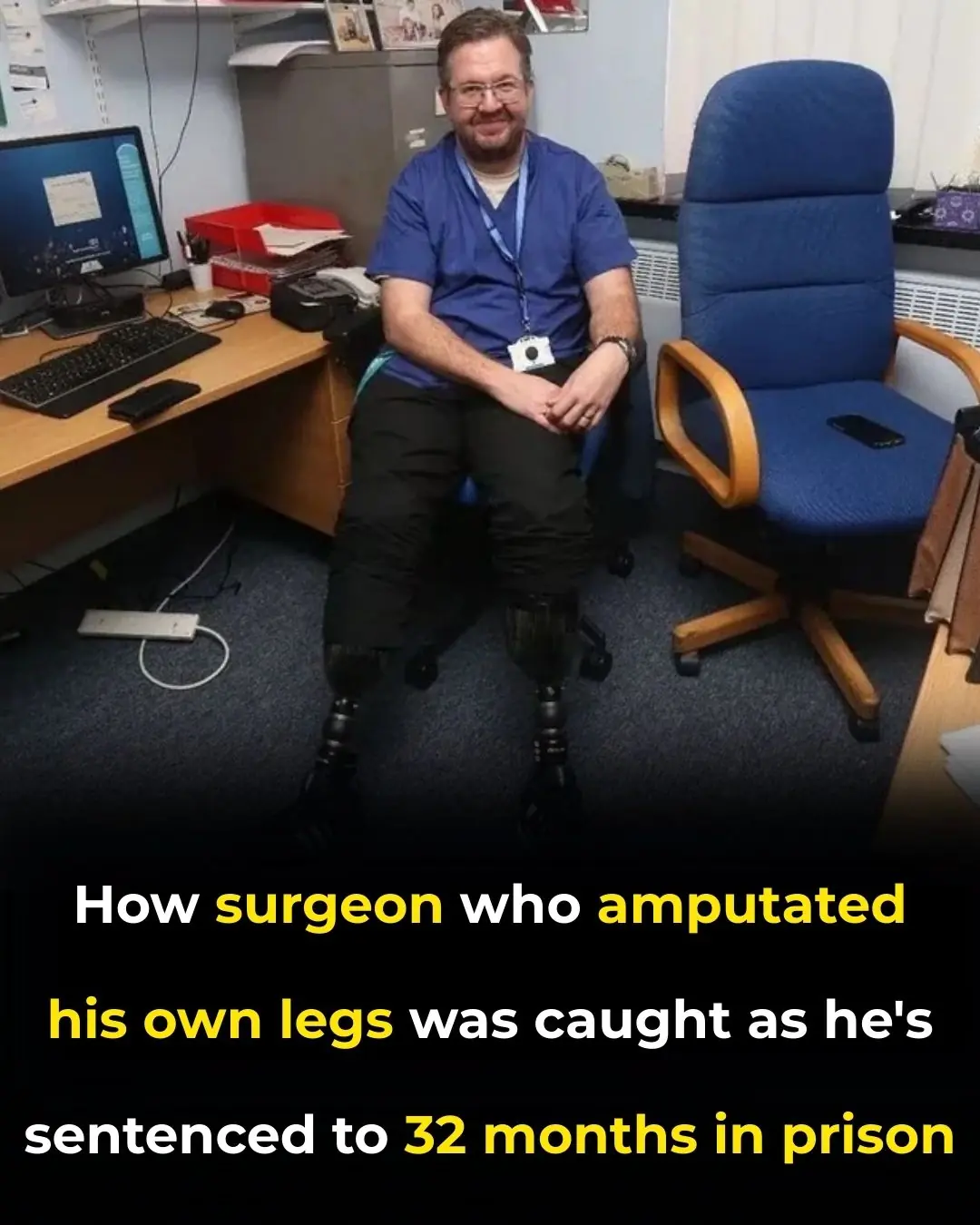
How surgeon who amputated his own legs was caught as he's sentenced to 32 months in prison
News 12/09/2025 11:47
An AI-generated image shared by Donald Trump has ignited national controversy after he appeared to threaten an American city with “war.”
The dramatic post, styled after Apocalypse Now, has drawn fierce backlash from state leaders who accuse the president of authoritarian behavior.
Donald Trump turned to artificial intelligence over the weekend to deliver one of his most startling political messages yet. On Saturday, September 6, the president uploaded a digitally created image to his Truth Social account alongside a menacing note directed at Chicago.
The picture, heavily inspired by the cult war film Apocalypse Now, shows Trump taking on the persona of Lieutenant Colonel Bill Kilgore, played by Robert Duvall. In the AI artwork, “Colonel Trump” sits defiantly on a fiery battlefield while helicopters swarm above the orange-hazed Chicago skyline. Across the image, the words “Chipocalypse Now” are scrawled in bold letters—an unmistakable nod to impending conflict.
Trump paired the image with provocative text, writing: “Chicago about to find out why it’s called the Department of WAR.” The phrase referenced his controversial rebranding of the Department of Defense. He further fueled outrage by twisting a famous line from the movie, declaring: “I love the smell of deportations in the morning.”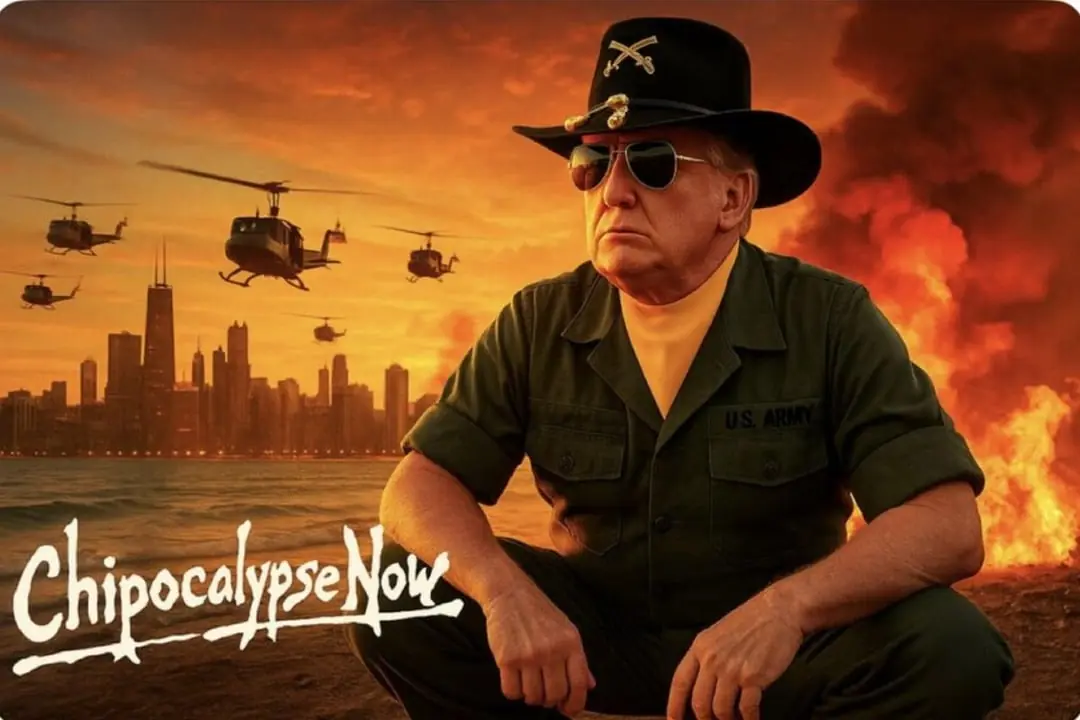
The post immediately sparked fierce criticism. Illinois Governor JB Pritzker blasted the move on X (formerly Twitter), saying: “The President of the United States is threatening to go to war with an American city. This is not a joke. This is not normal.” He went on to accuse Trump of ruling through fear, adding that Illinois “won’t be intimidated by a wannabe dictator.”
Chicago Mayor Brandon Johnson also condemned the president’s words, stating: “The President’s threats are beneath the honor of our nation. He wants to occupy our city and break our Constitution. We must defend our democracy from this authoritarianism by protecting each other and protecting Chicago from Donald Trump.”
Trump later attempted to soften the message, telling reporters on September 7 that the image was meant as a joke. “We’re not going to war. We’re going to clean up our cities,” he insisted, claiming his goal was to reduce violent crime. “That’s not war. That’s common sense.”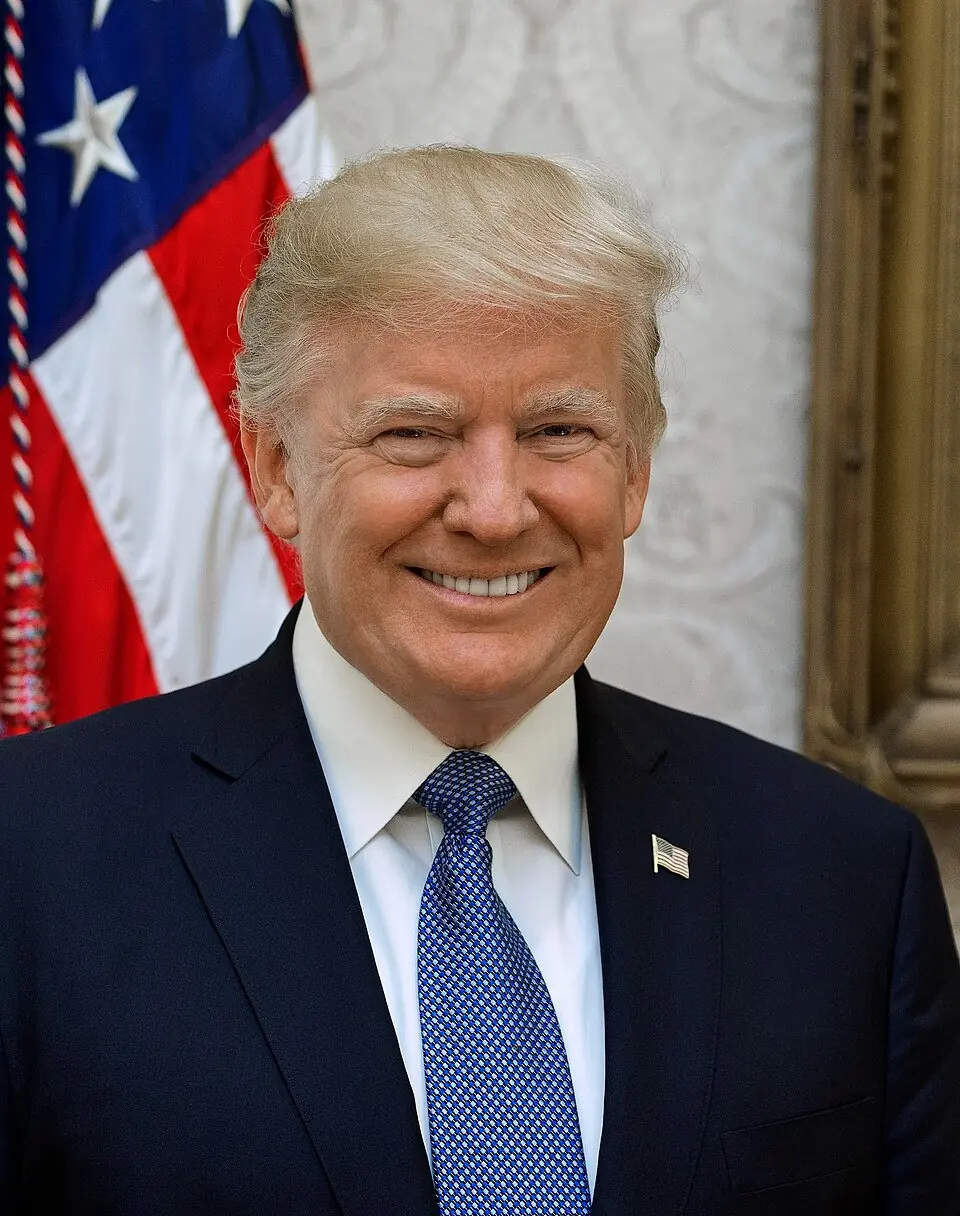
Still, critics argue that his rhetoric is part of a wider pattern. Just last month, Trump announced plans for a federal takeover of policing in Washington, D.C., deploying the National Guard to fight crime and disperse homeless encampments. He has since hinted that similar crackdowns may be coming to other Democratic-led cities, including Baltimore and New York.
Despite the backlash, Trump doubled down by citing Chicago’s recent wave of gun violence. He pointed to reports of six murders and 12 shootings in a single weekend, saying the federal government had a duty to act. “I want to help the people of Chicago, not hurt them. Only the criminals will be hurt,” he argued.
Whether viewed as satire or a warning, the AI-generated image has once again highlighted Trump’s reliance on spectacle, provocation, and technology to dominate the political conversation—leaving Chicago residents and leaders bracing for what may come next.





Samsung wasted no time trolling Apple, firing off cheeky social media posts just minutes after the iPhone 17 reveal. The playful jabs have reignited the fierce rivalry between the two tech giants and sparked heated debates among fans worldwide.
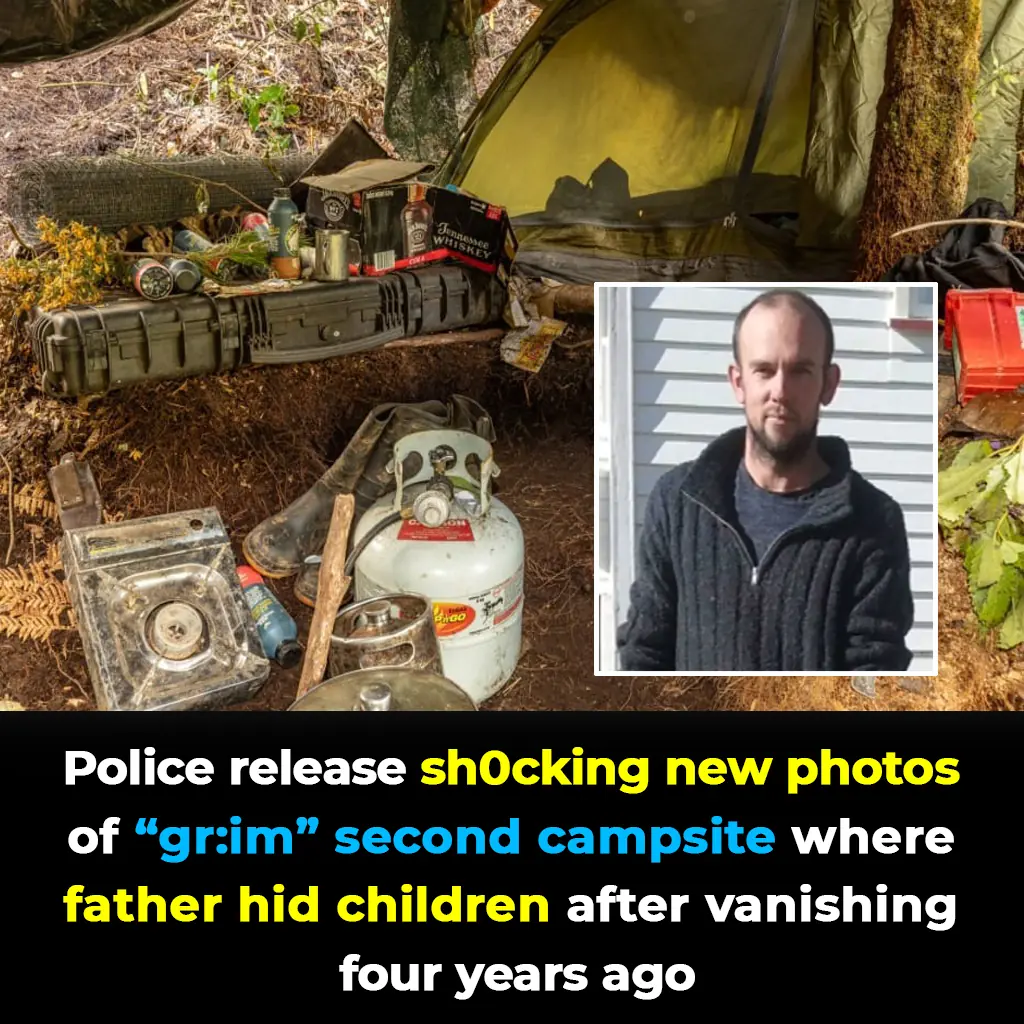
Police in New Zealand have released haunting new photos of a hidden campsite where fugitive father Tom Phillips kept his three children while on the run for more than four years. The shocking discovery came just a day after Phillips was k:illed in a viole

Despite the bleak outlook, the hacker emphasized one hopeful trend: more former black hats like himself are turning to legitimate cybersecurity roles,

Keanu Reeves has stunned fans by revealing that he and Winona Ryder may have been “married” for nearly three decades—thanks to an unusual movie scene filmed in the early ’90s. What began as a role in Bram Stoker’s Dracula has turned into one of

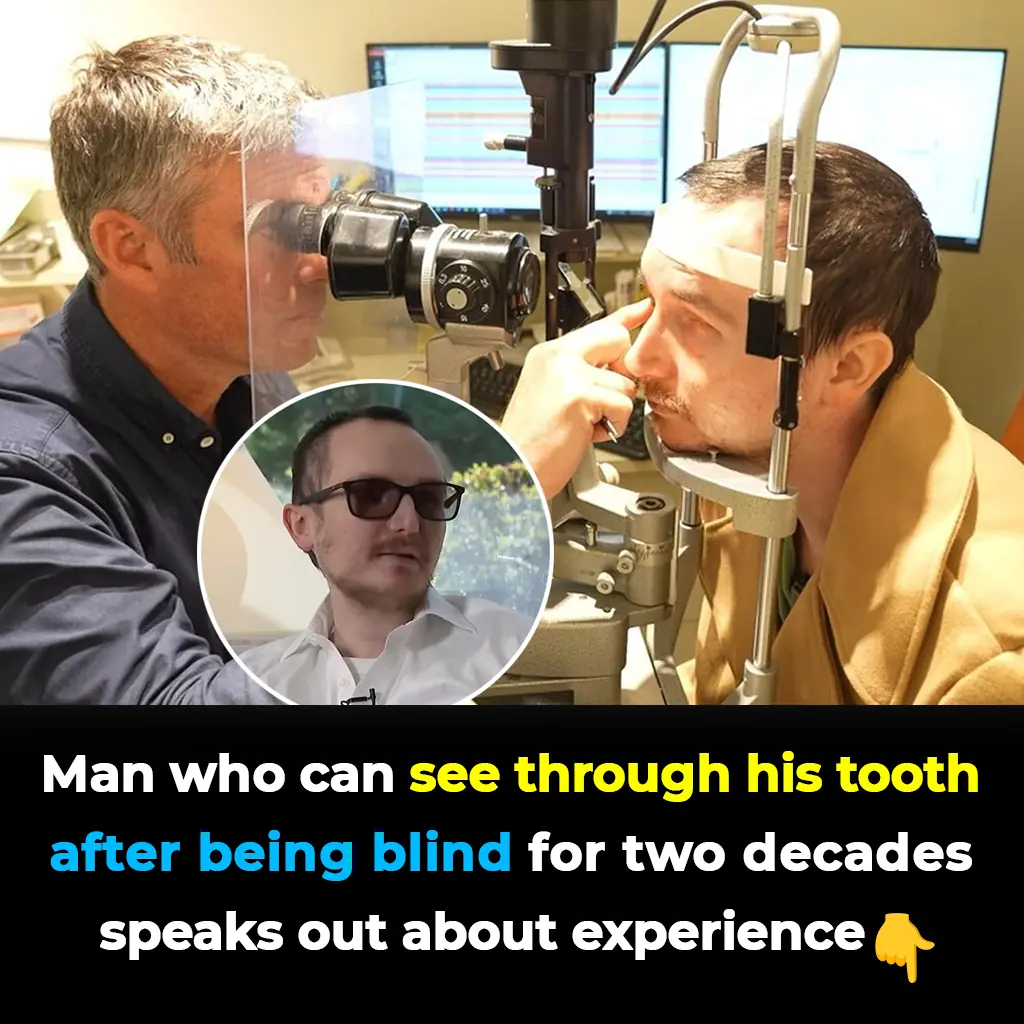
After two decades of darkness, a Canadian man can finally see the world again—through a groundbreaking surgery that uses his own tooth to restore vision. His emotional journey from blindness to sight has stunned both doctors and the public alike.


For over a decade, a young man in China lived with his body bent nearly in half, trapped in a painful “Z-shaped” posture that made everyday life a struggle. Now, after years of suffering and a series of groundbreaking surgeries, he has finally stood u
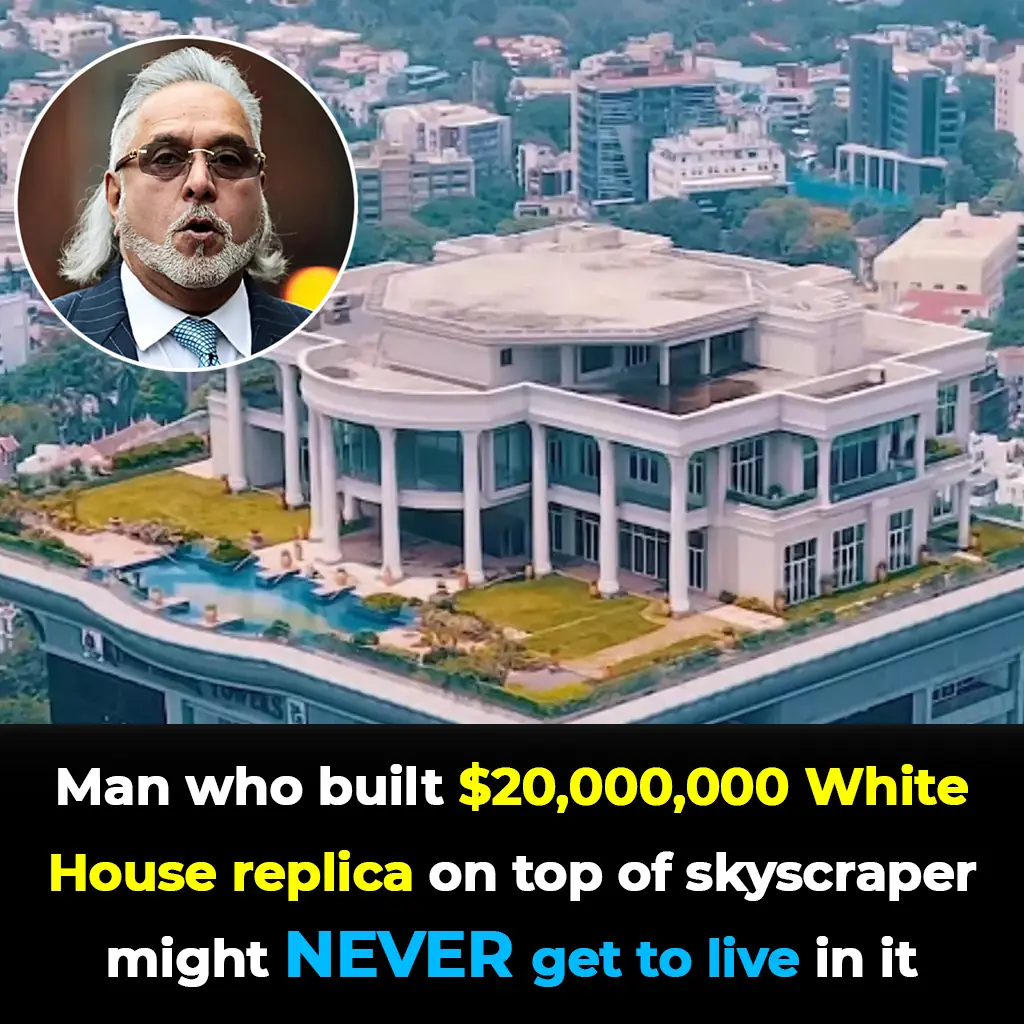
A jaw-dropping $20 million replica of the White House, perched atop a 400-foot skyscraper in India, has been gathering dust for years. Despite its grandeur and eccentric design, the palatial home’s creator, tycoon Vijay Mallya, may never get the chance

A new cyber shockwave is sending panic through the digital world as claims emerge that 1.2 billion Facebook users may have had their personal data stolen in what could be the largest data breach in internet history. Experts are now urgently advising users
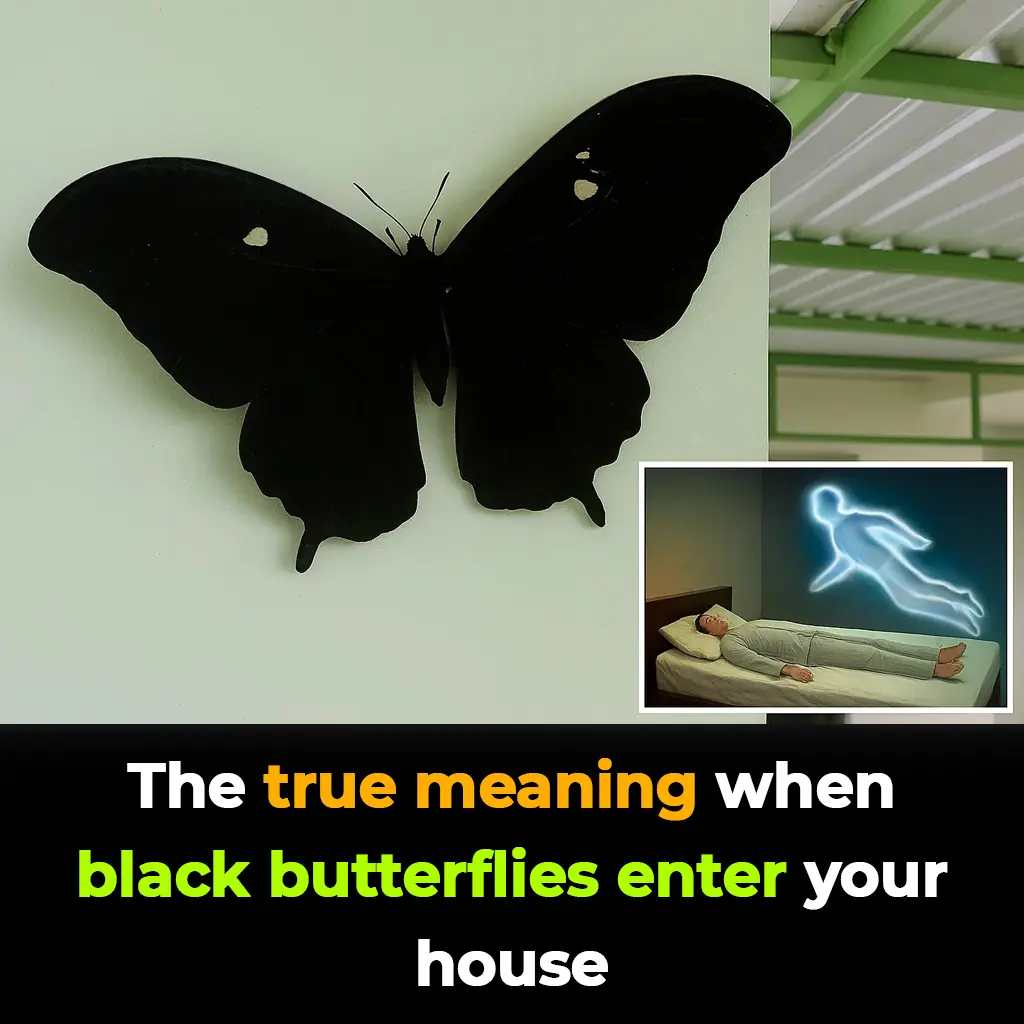
Black butterflies carry meanings that are as complex as they are beautiful.

You don’t need fancy, high-priced cleaners to enjoy spotless, long-lasting results.
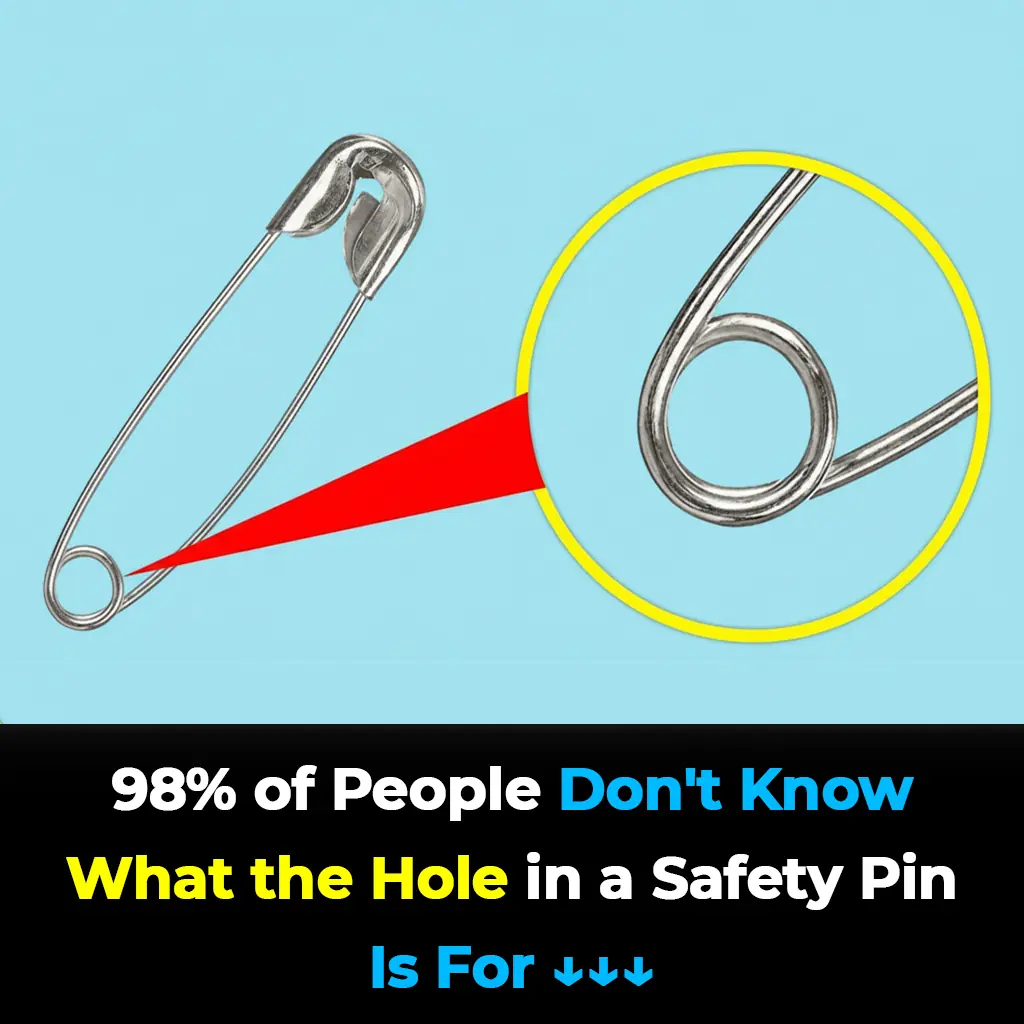
That tiny hole in a safety pin is more than just decoration—it’s a brilliant example of how even the simplest tools can hold hidden design secrets. W

This natural elixir is packed with antioxidants, anti-inflammatory compounds, and essential vitamins that work together to promote healthy, glowing skin.


By using natural ingredients like rice, honey, coconut oil, and aloe vera, you can create effective anti-aging creams that nourish, hydrate, and rejuvenate your skin.