Nails: What Do They Reveal About Your Health
Facts 07/12/2025 23:49
The human brain is the most complex organ in the body, responsible for coordinating memory, movement, emotions, and decision-making. It works together with the spinal cord and an extensive network of nerves to form the central and peripheral nervous systems. As seen in the illustration, this system carries electrical and chemical signals that control every heartbeat, every breath, and every conscious or unconscious action we take.
Beneath the surface, the brain depends on billions of interconnected neurons, a dense web of blood vessels, and constant communication with the immune system. This intricate balance is what keeps the body functioning smoothly and allows humans to think, learn, and adapt.
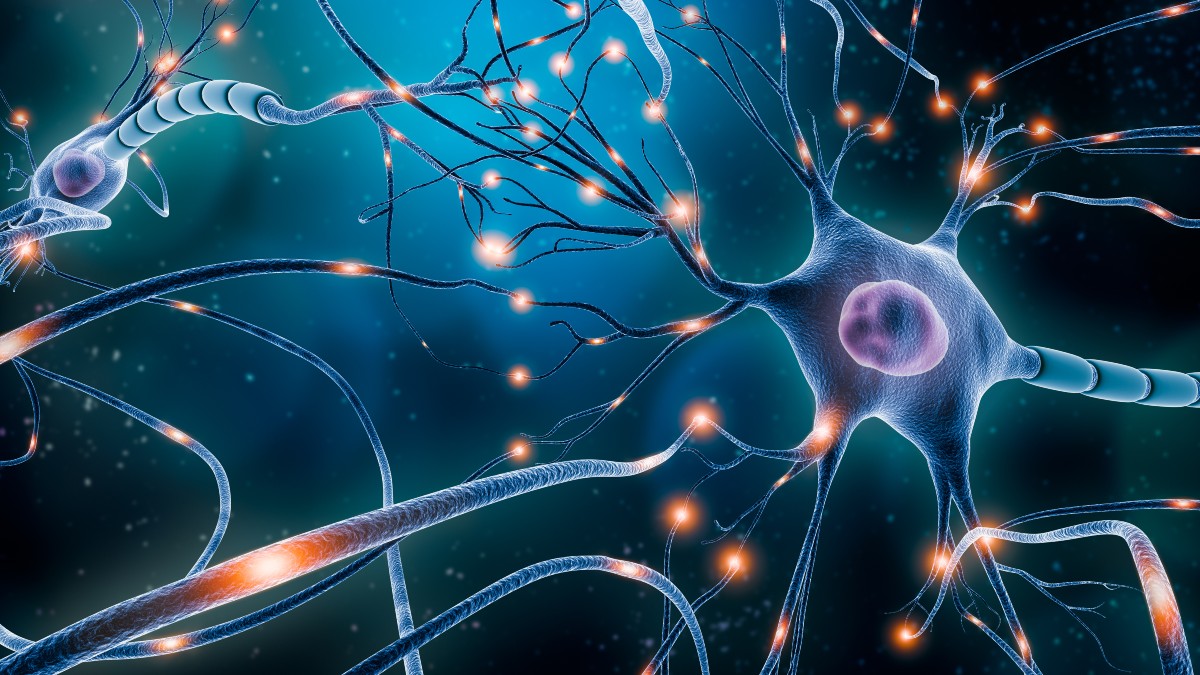
The nervous system serves as the body’s master control network.
It includes:
The brain — the command center for memory, emotion, creativity, and cognition
The spinal cord — the main pathway for transmitting signals between the brain and body
Peripheral nerves — responsible for movement, sensory perception, and organ regulation
Vascular and immune connections — ensuring oxygen delivery, waste removal, and inflammation control
Every action — from reflexes to complex thinking — relies on precise communication across this system. Research from Harvard Medical School notes that even small disruptions in neural pathways can significantly affect memory, mood, and overall functioning.
Modern science now recognizes that brain diseases such as Alzheimer’s, dementia, Parkinson’s, and other neurodegenerative disorders are more than just the result of damaged brain cells. Growing evidence from organizations like the National Institutes of Health (NIH) and Nature Neuroscience shows that the immune system and vascular health play a major role.
Key scientific insights include:
Chronic inflammation can accelerate brain cell damage
Poor blood flow reduces the brain’s ability to clear toxins
Immune overreactions or autoimmune responses may harm neurons
Blood-brain barrier dysfunction is linked to cognitive decline
A report by the Alzheimer’s Association highlights that inflammation and immune dysregulation are now considered major contributors to the progression of Alzheimer’s disease, reshaping how scientists understand memory loss and brain aging.
This shift in understanding is pushing research toward therapies that target inflammation, vascular health, immune responses, and not just brain plaques or tangles.
Maintaining a strong, resilient nervous system is essential for long-term brain health. Experts from WHO and Cleveland Clinic emphasize everyday habits that support neural function and reduce disease risk:
Nutritious diet rich in omega-3s, antioxidants, and whole foods
Regular physical activity to improve blood flow and neuroplasticity
Quality sleep, which helps consolidate memory and repair neural circuits
Stress management, including meditation, breathing exercises, or mindfulness
Healthy cardiovascular function, which directly supports brain oxygenation
Together, these habits can help protect neurons, enhance cognitive performance, and lower the risk of age-related decline.
Advances in medical imaging, AI-assisted diagnostics, and neuroscience research are transforming our understanding of the human brain. Studies published in Nature, Science, and Cell show that:
The brain is far more interconnected with the body than previously thought
Neuroplasticity allows the brain to reorganize and adapt throughout life
Bioelectrical signals from the nervous system influence everything from movement to emotional responses
The immune, vascular, and nervous systems function as a single, integrated network
These discoveries are shaping new treatments for neurological diseases and helping scientists understand how intelligence, memory, and consciousness emerge from the brain’s complex electrical activity.
The nervous system lies at the heart of human survival, intelligence, and identity. As research continues to uncover the deep connections between the brain, immune system, and vascular health, it becomes clearer than ever that maintaining overall wellness is crucial for lifelong cognitive function. With advancing technology and scientific insights, humanity is entering a new era of understanding how the brain truly works — and how we can protect it for the future.