Lab Study Shows Dandelion Root Kills Over 90% of Colon Cancer Cells In Just Two Days
Health 15/12/2025 21:30
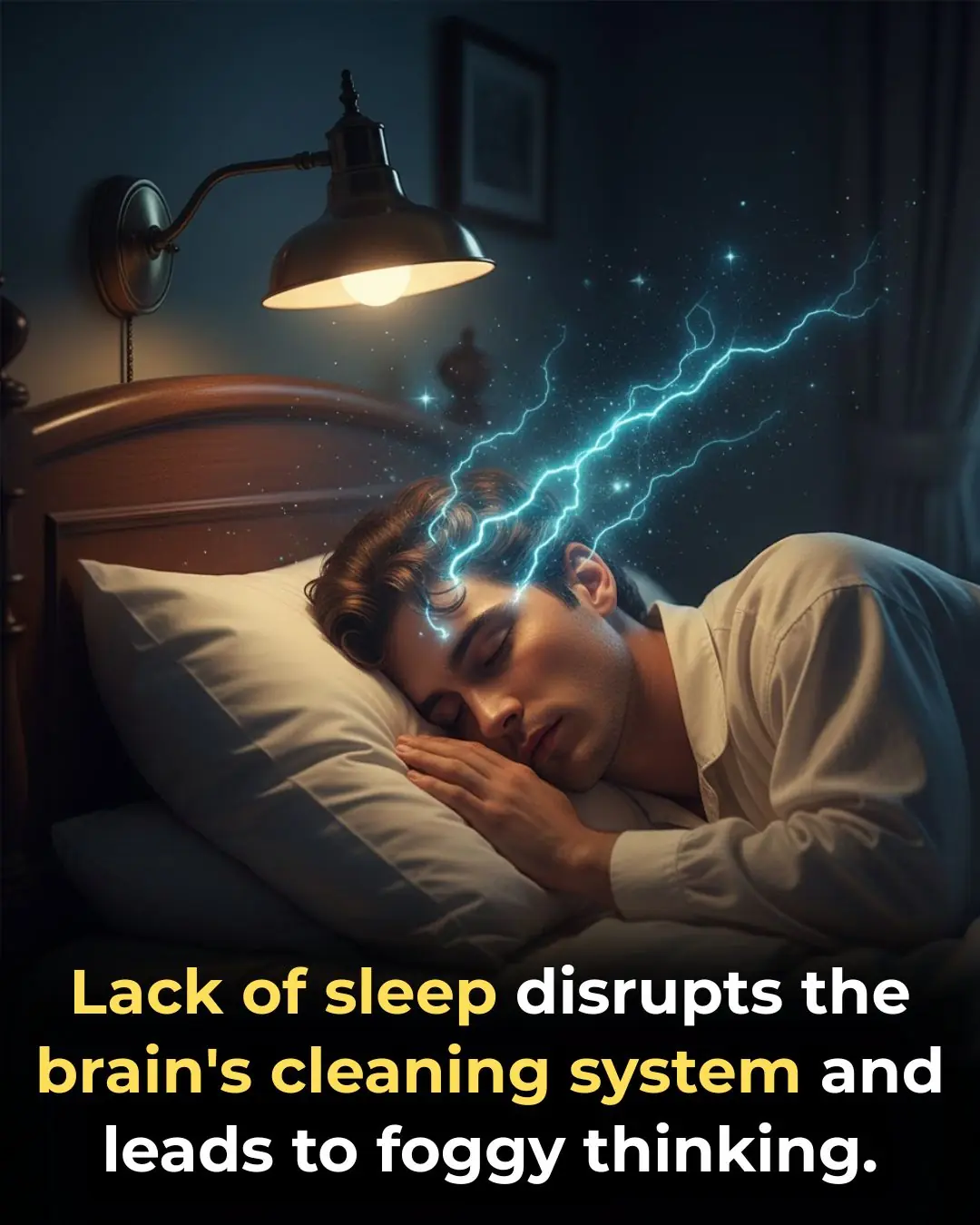
Do you always sleep through the night without problems? Or, are you like much of the population and find yourself waking up at 3 am, unable to fall back asleep? If you’re part of the second group, it’s important to figure out what may be causing you to wake up and, most importantly, how to prevent it from continuing. This is what your sleepless nights mean and how to finally get the rest you need.

Waking up in the middle of the night is often a very frustrating experience. You lie there as the minutes tick by, and all you can think about is how tired you will feel at work the next day. There are many reasons why you are waking up at 3 am. Figure out what your reason is, and you will be well on your way to solving the problem.
First, it’s important to note that waking up at night is normal. In fact, most of us do it a handful of times throughout the night, but we fall asleep so quickly we don’t even notice. This is because we sleep in cycles. In one sleep cycle, we transition from wakefulness to sleep, light sleep, deep sleep, and REM sleep. REM stands for rapid eye movement and is the part of the sleep cycle where we will have the most dreams. Typically we have longer deep sleep cycles earlier in the night and longer REM cycles the closer we get to morning.
When you wake up at 3 am, however, and can’t get back to sleep, this is problematic. Though it can be challenging to identify why you might be waking up, it’s important to try so that you can bring an end to this nighttime wakefulness. These are the reasons why you might be waking up, unable to sleep, in the middle of the night.

Our lives today are more stressful than ever. We’ve often got a lot on our minds, and turning that off to get some rest can be very difficult. Stress actually affects the hormones that your body is producing and activates your sympathetic nervous system. This will then cause you to wake up when you should be sleeping. Stress will also cause an increase in your body temperature and your heart rate. Normally when we sleep, both of these decrease. If they are too high, we won’t be able to rest.
Stress can be both acute and chronic. It can be related to your job, relationships, family, and so many other things. If you are in a particularly stressful period with your work, you will likely find your sleepless nights will go away when that is over. Try using stress management techniques such as yoga, breathing exercises, or meditation to help calm your mind before bed. If your stress is chronic, talk to your doctor about stress management, who can help you make some lifestyle adjustments to better manage your stress, or who can refer you to a stress therapist.

Approximately 10% to 20% of the population suffers from insomnia. This is an actual diagnosable health condition that will require professional help to overcome. You might have insomnia if you are regularly having trouble either falling asleep or staying asleep. If you think you have insomnia, talk to your doctor who can help you find the right solution for you.