
Whoa, had no clue about this!
Tips 01/12/2025 23:09
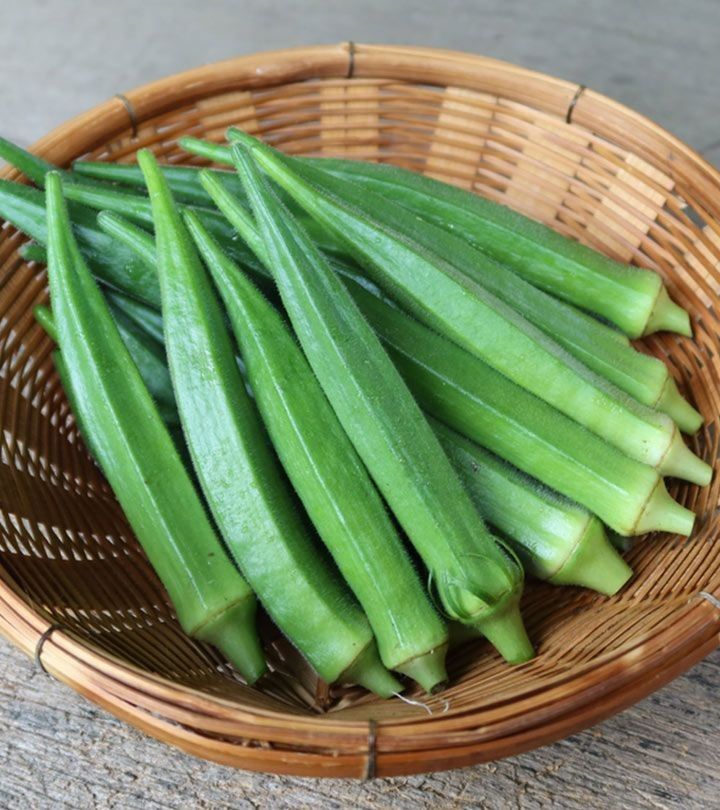
It’s currently okra harvesting season—perfect timing to enjoy this nutritious vegetable while reaping its impressive health benefits. Known in some regions as lady’s finger or gumbo, okra is widely consumed across Vietnam and many tropical countries. It’s inexpensive, easy to grow, and incredibly nutrient-dense, which is why many nutrition experts refer to it as “green gold”—a symbol of high-quality, naturally wholesome food suitable for all ages.
According to data from the United States Department of Agriculture (USDA), 100 grams of fresh okra contains:
Calories: ~33 kcal
Fiber: 3.2 g
Vitamin C: 23 mg (over 25% of the daily requirement)
Vitamin K: 31.3 mcg
Folate (Vitamin B9): 60 mcg
Magnesium, potassium, calcium, manganese, and other essential minerals
One of okra’s most unique features is its natural mucilage—the thick, gel-like substance that gives okra its characteristic texture. This compound plays a valuable role in supporting digestion, stabilizing blood sugar, and providing overall nourishment for the body. Thanks to this nutrient richness, okra is increasingly regarded as a “superfood” in balanced, health-focused diets.
A study published in PLoS One (2011) found that okra’s fiber and mucilage can slow the absorption of sugar into the bloodstream. This helps maintain more stable blood sugar levels—especially beneficial for individuals with type 2 diabetes or those at risk of prediabetes.
Okra is rich in soluble fiber, particularly pectin, which helps lower LDL (“bad”) cholesterol while supporting HDL (“good”) cholesterol. Its naturally high potassium content also assists in maintaining healthy blood pressure, reducing strain on blood vessels, and lowering the risk of atherosclerosis and heart disease.
Thanks to its impressive levels of vitamin C and antioxidants, okra helps neutralize free radicals—the unstable molecules responsible for premature aging and chronic inflammation. Regular consumption may strengthen the immune system, improve skin vitality, and enhance the body’s defense against infections.
The combination of soluble fiber and mucilage in okra promotes smooth digestive activity. Fiber increases stool bulk and encourages regular bowel movements, while mucilage soothes the intestinal lining, reducing irritation and improving gut comfort.
Okra is an excellent natural source of folate (vitamin B9)—a nutrient vital for fetal development. Adequate folate intake helps prevent neural tube defects and supports healthy cell growth in early pregnancy. Many healthcare professionals recommend including okra in the diets of expectant mothers.
To maximize the health benefits of this “green gold,” gentle cooking methods are ideal:
Steaming or boiling: Helps retain most vitamins and minerals.
Cooking in soups, quick stir-fries, or braising with fish: Avoid overcooking to preserve the valuable mucilage.
Okra-infused water: Slice okra lengthwise and soak it for 8–12 hours. Drinking the water in the morning provides mucilage, vitamin C, and hydration—many people use this as a natural digestive aid.
Individuals with kidney stones should consume okra in moderation because it contains oxalates, which may contribute to stone formation in sensitive individuals.
Wash and cook okra soon after purchasing to preserve vitamin C and prevent nutrient loss.
Avoid overconsumption (more than 400 g per day) as too much fiber and mucilage may cause digestive discomfort in some people.