The new vitamin D findings forcing experts to rethink heart health
Health 01/12/2025 22:30
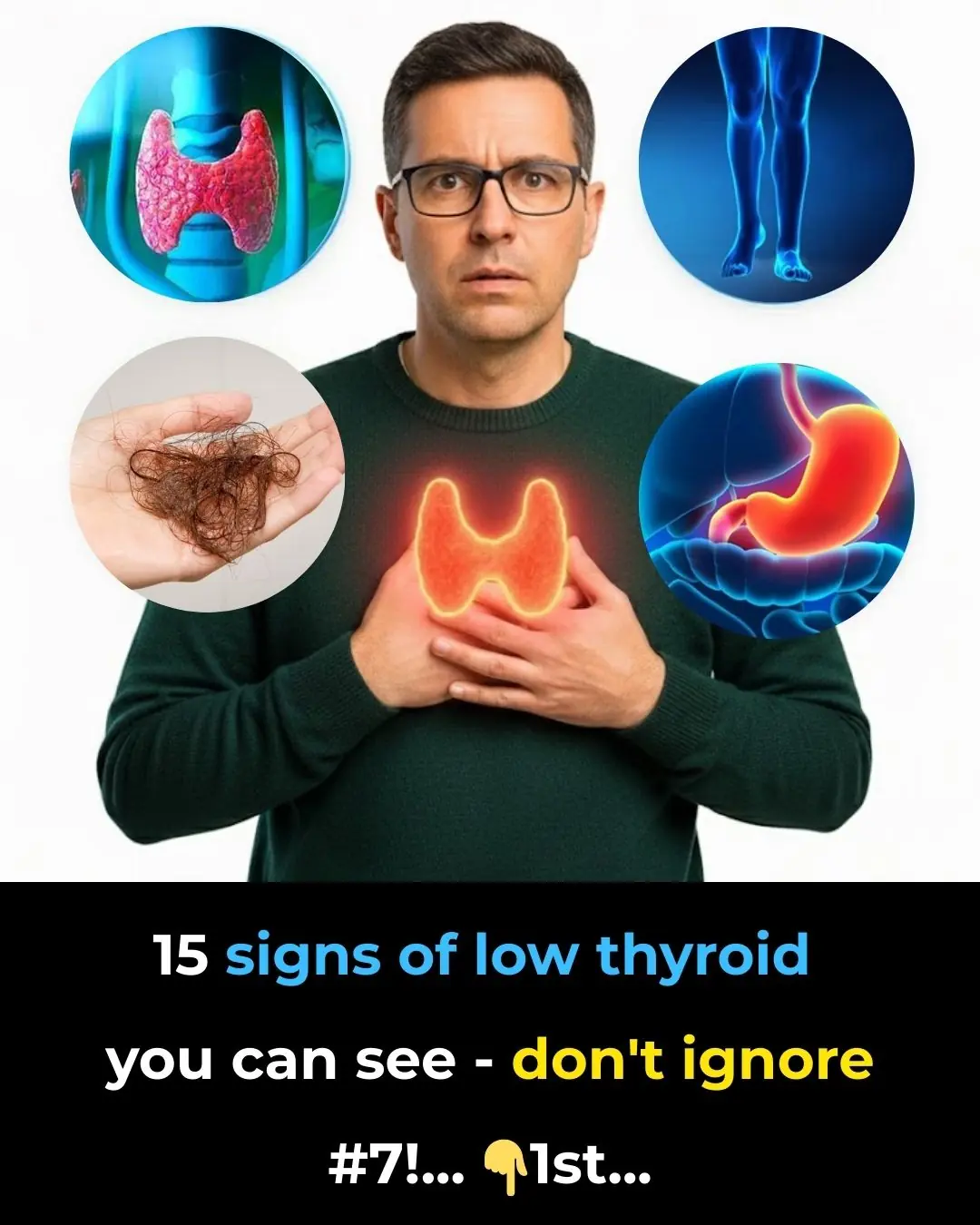
Have you ever gone through stretches of life where you’re constantly tired, gaining weight for no clear reason, or dealing with skin so dry that no moisturizer seems to help? Maybe you’ve brushed it off as stress, aging, or just a busy lifestyle. But there’s a small, butterfly-shaped gland in your neck that might actually be calling out for attention—and when it starts to malfunction, it can throw your entire body into chaos.
That gland is your thyroid, the master controller of metabolism and one of the most influential hormone-producing organs in your body. The hormones it releases help regulate energy usage, temperature, skin turnover, digestion, and even your mood. When your thyroid slows down—a condition called hypothyroidism—all of these systems begin to run in slow motion.
Millions of people around the world experience hypothyroidism without realizing it. They normalize their symptoms, assuming they’re just part of life. But understanding the early clues can be life-changing. Today, we’re breaking down the top 15 signs of hypothyroidism, based on medical insights from Dr. Siobhan Deshauer, so you’ll know exactly what to look for.
What it is: Hypothyroidism happens when the thyroid doesn’t produce enough hormones, affecting nearly every organ system.
Visible clues: Skin, hair, nails, and facial swelling may reveal thyroid malfunction.
Hidden symptoms: Fatigue, cold intolerance, brain fog, and mood changes are common but often overlooked.
Diagnosis & treatment: A simple blood test confirms the condition, and thyroid hormone replacement is highly effective.
One of the clearest physical signs of thyroid trouble is a visible swelling in the neck. Your brain regulates thyroid activity using a signal called TSH (Thyroid Stimulating Hormone). When the thyroid struggles to produce enough hormones, the brain sends increasingly louder “work harder!” signals. This chronic overstimulation causes the thyroid gland to grow—sometimes dramatically—forming a goiter.
A large goiter isn’t just noticeable; in advanced cases, it can press on your throat, causing trouble with swallowing, a tight sensation in your neck, or even breathing problems.
Healthy skin relies on natural oils and fats to lock in moisture. When your thyroid slows down, oil production plummets, causing the skin barrier to weaken. Your skin begins to lose moisture, becoming flaky, itchy, and cracked—often in a mosaic-like pattern.
People with hypothyroidism frequently describe their skin as “paper-dry,” no matter how many products they try.
Skin doesn’t just dry out—it can actually thicken. Low thyroid hormone disrupts the turnover of skin cells, causing keratin (a tough structural protein) to build up excessively. This can lead to palmar-plantar keratoderma, where the skin on your palms and soles becomes unusually thick, hard, and sometimes painful.
Because hair is made of keratin, decreased hormone levels interfere with the normal hair growth cycle. Hair becomes:
thinner
duller
more fragile
more prone to shedding
Many people experience diffuse hair loss, meaning it falls out evenly across the scalp instead of in patches. In some cases, the shedding becomes noticeable within just a few months.
Nails grow slower and weaker when thyroid hormone levels are low. You might see:
nails that split or crumble
thick, uneven texture
pronounced vertical ridges
nails lifting away from the nail bed (onycholysis)
It’s often one of the earliest beauty-related clues that something deeper is going on internally.
One of the classic signs of hypothyroidism is loss of the outer third of the eyebrows—sometimes called “The Sign of Queen Anne.” This pattern is so distinctive that many doctors look for it during thyroid exams.
If you’re waking up with persistent puffiness—especially around your eyes—hypothyroidism may be the cause. The swelling comes from myxedema, a gelatinous, jelly-like substance that builds up in the skin when thyroid hormone levels are low. This isn’t just water retention; it’s a structural change in your skin that creates a doughy, swollen appearance.
Myxedema can also accumulate in the muscles, including the tongue. A swollen tongue can:
feel too large for your mouth
affect speech
worsen snoring
contribute to obstructive sleep apnea
Many patients don’t realize this is connected to thyroid function.
Hypothyroidism can cause swelling in the tissues surrounding nerves. In the wrist, this swelling compresses the median nerve, causing:
numbness
tingling
weakness
nighttime hand pain
Interestingly, a significant portion of carpal tunnel cases are linked to undiagnosed thyroid issues.
If you’re always freezing—even in warm weather—your metabolism may be running on low power. Since thyroid hormones regulate heat production, low levels mean your body can’t generate adequate warmth, leading to constant coldness, cold hands and feet, and intolerance to chilly environments.
When your thyroid is underactive, your body struggles to convert beta-carotene (found in orange vegetables) into vitamin A. The excess pigment builds up, causing the skin—especially on the palms and soles—to appear yellowish or orange. This can easily be mistaken for jaundice but is entirely different.
Thyroid hormones have a profound influence on the brain. Low levels can cause:
reduced serotonin and dopamine
slower cognitive processing
trouble concentrating
emotional instability
This is why many people with untreated hypothyroidism feel mentally foggy, unmotivated, or unusually down—and why doctors often check thyroid levels when evaluating depression.
For women, menstrual changes can be one of the most significant warning signs. Hypothyroidism disrupts the balance of estrogen and progesterone, leading to:
heavy periods
long cycles
unpredictable bleeding
increased menstrual discomfort
This hormonal imbalance can even affect fertility.
This isn’t ordinary tiredness. People with hypothyroidism often experience a deep, unrelenting exhaustion that sleep doesn’t fix. Your body is operating in energy-saving mode, and every organ system is working harder just to keep up.
When your metabolism slows down, your daily calorie burn drops. Many people gain weight despite no changes in eating habits. At the same time, the digestive system also slows, leading to stubborn constipation, bloating, and discomfort. Because these symptoms are so common, they’re often dismissed—but they are hallmark signs of thyroid dysfunction.
If several of these signs feel familiar, don’t panic—but don’t ignore them either. The next step is simple: talk to your doctor. Hypothyroidism is diagnosed through a basic blood test that measures TSH levels. High TSH typically signals an underactive thyroid.
The best part?
Hypothyroidism is highly treatable. A daily medication called levothyroxine replaces the hormone your thyroid isn’t producing. With the right dose, many symptoms improve dramatically—sometimes within weeks—and you can return to feeling like yourself again.