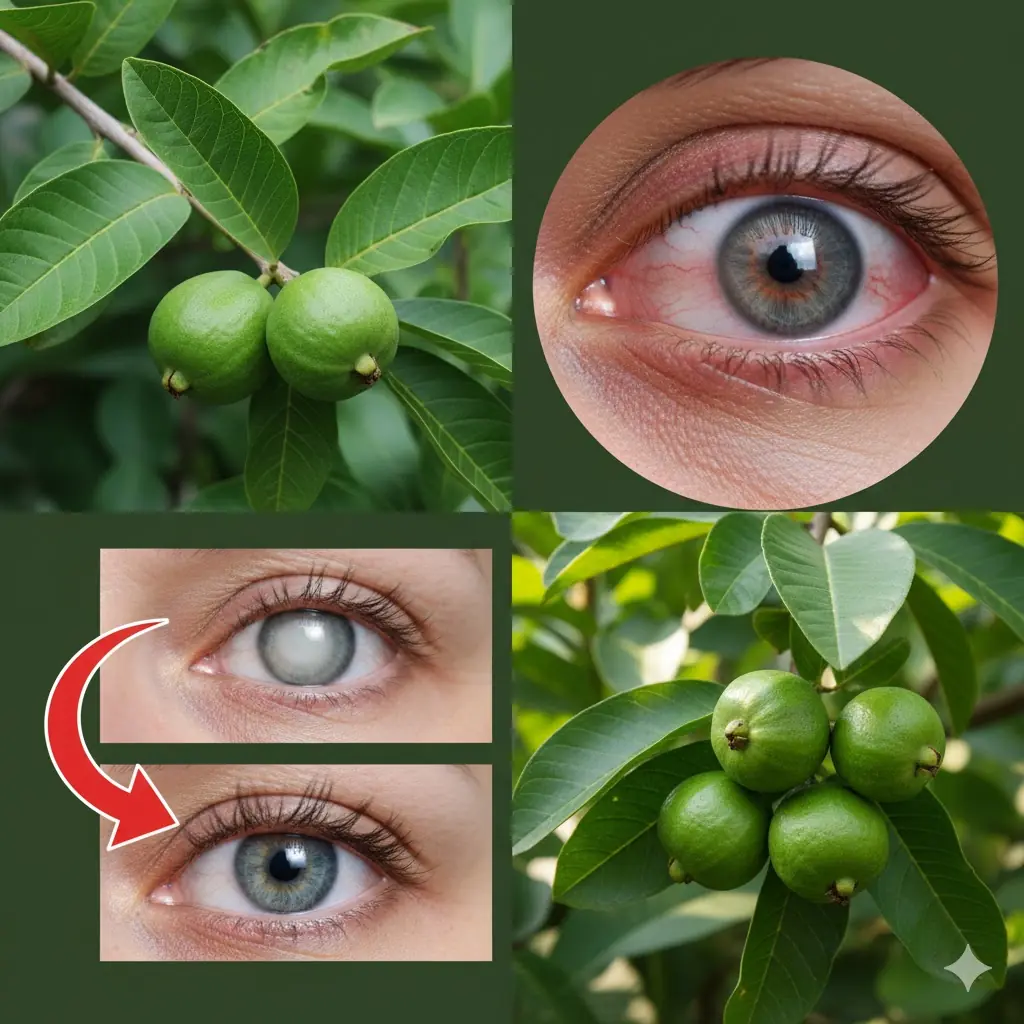
How to Use Guava for Eye Comfort | Natural Remedies for Healthy Eyes
Health 02/12/2025 00:34

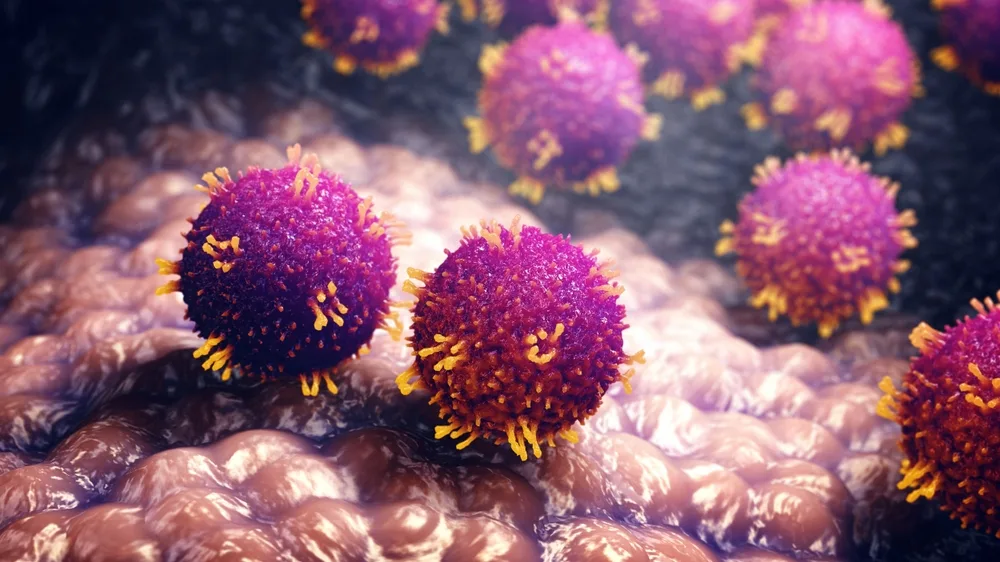
For nearly three decades, Canada stood as a global model for effective disease prevention, celebrated for its near-flawless ability to keep measles under control. That reputation changed when health officials confirmed that Canada had officially lost its measles elimination status—making it the first country in the Americas to do so since the COVID-19 pandemic. In late 2025, the Pan American Health Organization (PAHO) announced that the same strain of measles had been circulating continuously within Canada for more than a year, meeting the threshold for losing elimination status.
The announcement reverberated well beyond Canada’s borders. In the United States, where vaccination rates have been slipping and outbreaks have grown more frequent, the news raised an urgent question: Could America be next? With more than 1,600 U.S. cases reported this year alone, the concern is no longer hypothetical. The answer depends not only on vaccination levels but also on something far harder to rebuild—public trust, access to healthcare, and community decision-making that influences the health of future generations.
To grasp the weight of this development, it’s important to understand what “elimination” means in public health terms. Elimination does not mean a disease has disappeared forever—that’s eradication, a feat achieved only once, with smallpox. Instead, elimination means a disease is no longer spreading continuously within a country or region. Imported cases may occur, but they do not trigger cascading outbreaks.
Canada achieved this milestone in 1998, two years before the United States. For decades, both countries relied on strong vaccination coverage to maintain that status. But by 2024, cracks in the system began to show. The current outbreak, traced back to New Brunswick, has surpassed 5,000 confirmed cases. Tragically, two infants— infected before birth—were delivered prematurely and did not survive.
Dr. Jarbas Barbosa, head of PAHO, described the loss of elimination status as a setback but not a permanent defeat. Elimination can be restored once sustained transmission ends and vaccination coverage again meets the herd immunity threshold. Canada’s Public Health Agency has already announced plans to intensify vaccination campaigns and improve surveillance. Yet, the deeper challenge lies in combating misinformation and rebuilding public confidence in science, government, and healthcare institutions.
The resurgence of measles is not isolated to Canada. Across the Americas, cases have surged dramatically. By late 2025, more than 12,000 infections had been reported region-wide—a thirtyfold increase over the previous year. Most cases were concentrated in Canada, Mexico, and the United States, indicating a concerning regional pattern.
In Mexico, nearly 4,000 people have been infected since February, with the vast majority occurring in the state of Chihuahua. There, the outbreak has caused at least 23 deaths, pushing healthcare systems to their limits as authorities attempt to contain ongoing transmission.
Meanwhile, the United States has experienced its most significant measles wave in more than three decades. What started as a small outbreak in West Texas early in the year spread rapidly through New Mexico and then across the country. By autumn, 41 states had reported infections. Three Americans—including two young girls—have died. With 1,681 confirmed cases in 2025, the virus has taken advantage of declining vaccination rates, which have dropped steadily since 2019.
The fall in vaccination rates isn’t driven by a single factor but by a complex mix of cultural, social, and logistical challenges. The COVID-19 pandemic disrupted pediatric care and routine vaccination schedules, leaving many families behind on critical immunizations. Even after clinics reopened, many children never caught up.
At the same time, misinformation spread rapidly through social media, often overshadowing official guidance from health authorities. Vaccine hesitancy has been fueled by distrust in government institutions, skepticism toward pharmaceutical companies, and in some cases, religious or philosophical beliefs. Others simply underestimate the seriousness of measles, mistakenly assuming it is a mild childhood illness.
But measles is far from harmless. It is one of the most contagious viruses known—capable of infecting 90% of unvaccinated people exposed to it. A single case can spark a large outbreak in just a few weeks.
Access barriers represent another major factor. Families in rural or low-income areas may struggle to reach healthcare providers, face transportation challenges, or have difficulty scheduling appointments. Without strong local outreach, even small obstacles can leave entire communities at risk.
To understand why health experts are deeply concerned, it’s important to appreciate what measles does to the body. The virus spreads through respiratory droplets and can linger in the air for up to two hours after an infected person leaves a room. Anyone without immunity is almost guaranteed to catch it.
Symptoms typically begin with high fever, cough, runny nose, and watery eyes, followed by a spreading rash. But the true danger lies in complications—pneumonia, brain inflammation, permanent hearing loss, and, in severe cases, death. Children, pregnant women, and those with weakened immune systems face the highest risk.
Even after recovery, measles can leave lasting damage. The virus can wipe out the body’s “immune memory,” a phenomenon known as immune amnesia, making people more susceptible to other infections for months or even years. This hidden effect is one of the reasons measles outbreaks undermine broader community health.
Canada’s loss of elimination status has implications beyond its borders. When one country in the Americas loses status, the entire region is considered to have lost it collectively, signaling to the world that decades of progress are slipping. PAHO reports that average coverage for the two-dose MMR vaccine in the Americas dropped to just 79% in 2024—far below the 95% needed to prevent outbreaks.
Globally, the picture is similar. The World Health Organization has reported rising measles activity in more than 150 countries, particularly those affected by conflict, displacement, or vaccine shortages. If current trends continue, the virus could regain the foothold it held before vaccines became widely available in the 1960s.
This regression highlights how fragile progress can be when public health systems lose funding, coordination, or public trust.
Public health agencies are now working urgently to close immunity gaps through catch-up vaccination clinics, education campaigns, and stronger surveillance systems. But this effort is not solely logistical—it is relational. Rebuilding trust is just as important as delivering vaccines.
Effective communication must be transparent, empathetic, and culturally responsive. Community leaders, faith organizations, and local healthcare providers all play crucial roles in helping families navigate concerns and misinformation. People don’t just need scientific facts—they need context, reassurance, and reliable guidance they can connect with.
Healthcare systems also require more support. Many regions lack the staffing and infrastructure needed to run large-scale vaccination campaigns. Innovative solutions—such as mobile clinics, school-based programs, and partnerships with local organizations—can help ensure that vaccines are accessible to all families, not only those with convenient healthcare access.
While vaccination remains the cornerstone of measles prevention, maintaining a strong immune system through nutrition and lifestyle supports overall health and resilience.
A diet rich in vitamins A, C, and zinc helps the body fight infections and recover more quickly. Foods such as carrots, citrus fruits, leafy greens, bell peppers, and almonds offer essential nutrients that strengthen immune defenses. Vitamin A is especially important in the context of measles, as deficiency increases the risk of severe illness in children.
Gut health, which houses roughly 70% of the immune system, also plays a central role. Fermented foods—like yogurt, kefir, miso, and sauerkraut—help maintain a healthy balance of beneficial bacteria.
Sleep and stress management are equally vital. Chronic stress elevates cortisol levels, which weaken immune function. Mindfulness practices, light exercise, and meditation can help. Consistent, high-quality sleep allows the immune system to regenerate and operate at full strength.
Limiting processed foods and added sugars is another key factor. High sugar intake suppresses the activity of white blood cells, reducing the body’s ability to fight infection. Choosing whole, nutrient-dense foods supports stable energy and strong immunity.
Canada’s experience demonstrates how quickly decades of progress can unravel when vaccination rates slip. Herd immunity is not a permanent shield—it's a collective agreement to protect one another. Once too many people opt out, the barrier collapses, leaving entire communities exposed.
The United States now stands at a critical crossroads. With cases rising, localized clusters spreading, and vaccine hesitancy growing, the country is at risk of following Canada’s path. Preventing that outcome requires cooperation, empathy, and a renewed commitment to collective well-being.
Public health measures and natural wellness practices should never be seen as opposites. They work best together—combining scientific protection with healthy lifestyle habits to keep communities strong and resilient.
The future of measles control will depend on whether societies can rebuild both immunity and trust. Science offers the tools, but only shared responsibility will determine whether they are used effectively—and in time.