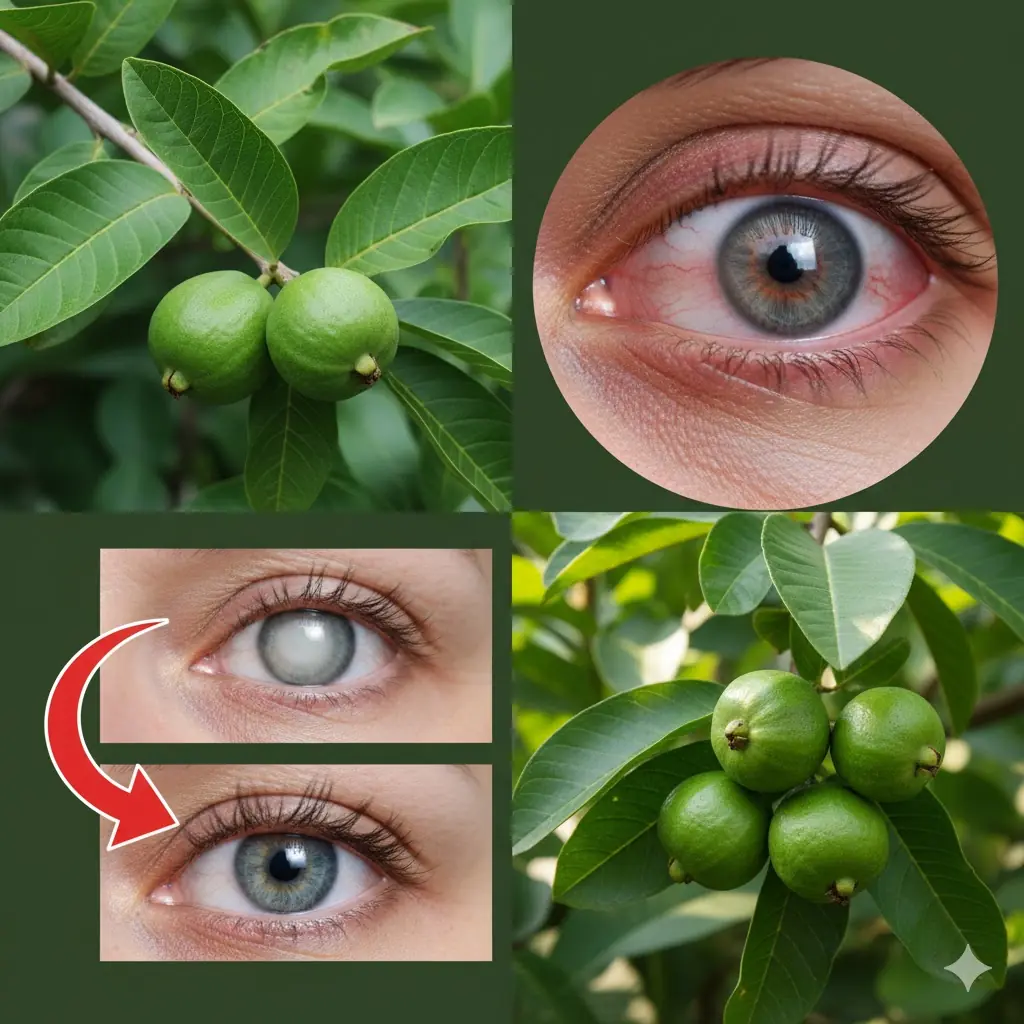
How to Use Guava for Eye Comfort | Natural Remedies for Healthy Eyes
Health 02/12/2025 00:34
Early Signs of Kidney Disease & How to Protect Your Kidneys (Evidence-Based)
Kidney disease is a growing health concern worldwide, with millions of individuals suffering from chronic kidney disease (CKD). According to the Primary Care medical journal, approximately 13% of the U.S. population is affected by chronic kidney disease (1). The Kidney International Supplements scientific journal highlights that risk factors for kidney disease include high blood pressure, excessive alcohol consumption, smoking, and the prolonged use of analgesic medications (2).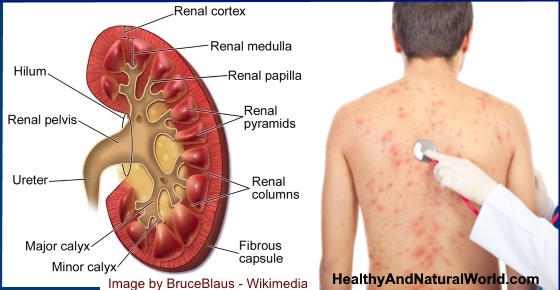
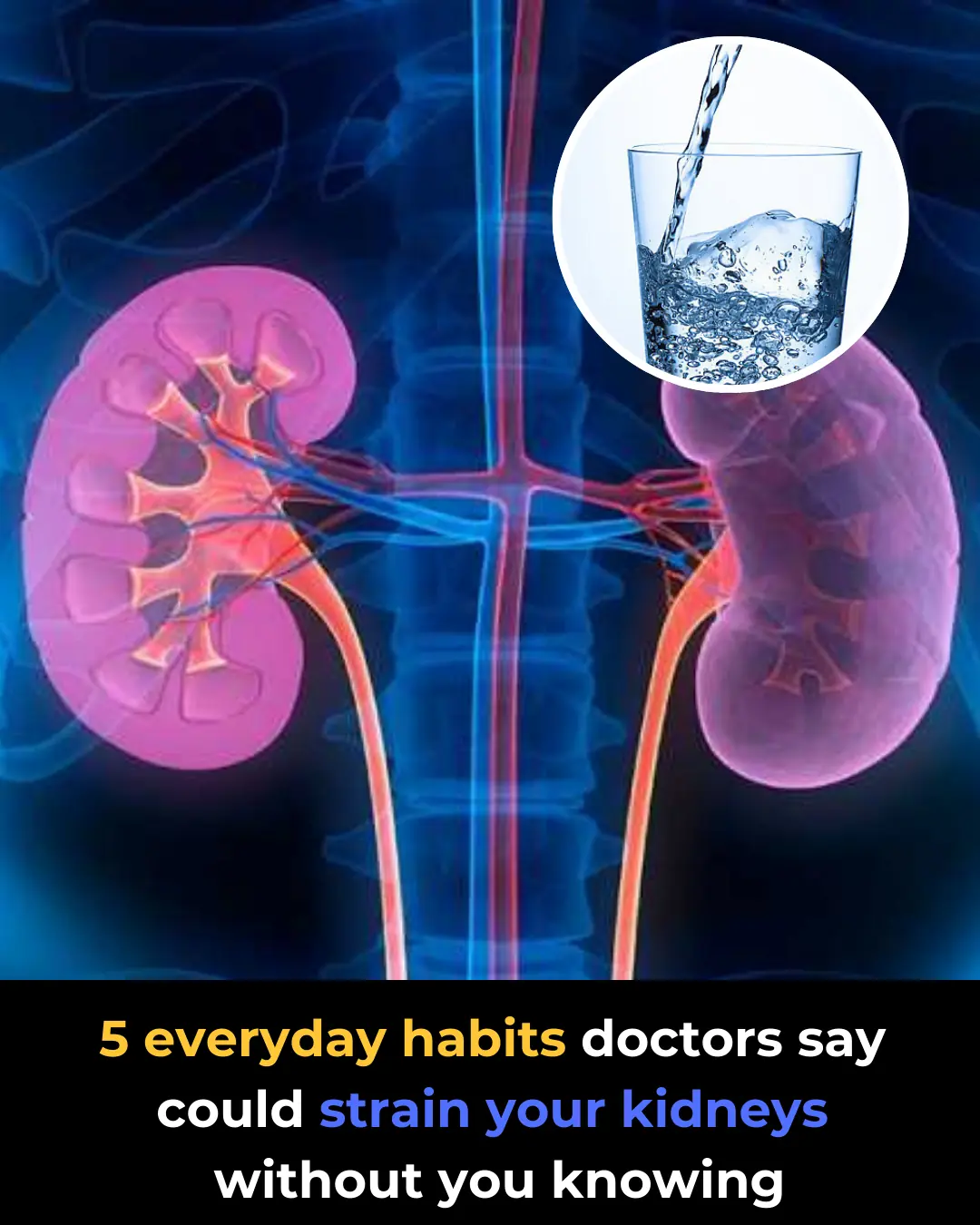
The kidneys are crucial organs with vital functions that maintain the health and balance of your internal systems. Described by the Journal of Physiology as "an organ of critical importance in physiology" (3), kidneys play a key role in several essential processes:
Filtering waste and toxins: They remove harmful substances that accumulate in the body.
Regulating blood pressure: By controlling the balance of fluids and salts.
Balancing minerals: Ensuring that essential nutrients, like calcium and phosphate, are regulated.
Activating vitamin D: Essential for maintaining strong bones.
Producing red blood cells: By regulating erythropoietin, which stimulates the bone marrow to produce red blood cells.
Without the kidneys, the body would struggle to balance fluids, remove waste, and maintain proper mineral levels, leading to numerous complications.
Kidney disease can develop due to several risk factors. According to Renal Injury Prevention, diabetes and high blood pressure are the leading causes (5). If you have high blood pressure or diabetes, it is essential to regularly monitor these conditions to prevent potential kidney damage.
Family history plays a significant role as well. If there is a history of autoimmune diseases or polycystic kidney disease in your family, you may be at an increased risk for kidney problems in the future (6, 7). Additionally, birth defects, improper medication use, and harmful habits like smoking, alcohol consumption, and poor diet contribute significantly to kidney damage (8, 9, 10).
The problem with kidney disease is that its symptoms often go unnoticed until the condition becomes severe (12). The kidneys can adapt to damage, masking the symptoms until the damage is extensive.
Some early warning signs include:
Fatigue and lack of energy
Changes in urination: Blood in the urine or changes in frequency and volume of urination
Difficulty sleeping
Nausea and vomiting
Loss of appetite and a metallic taste in the mouth
Mental fogginess and lack of focus
Swelling of the ankles or feet
Pain in the back, above the waist (kidney area)
Muscle cramps and spasms
Unstable blood pressure
Skin rashes or chronic itching
Recognizing these symptoms early is crucial for preventing irreversible damage. If you experience any of these signs, it is important to consult with a healthcare provider as soon as possible to determine whether kidney disease is present.
Making small lifestyle and dietary adjustments can have a significant impact on the health of your kidneys. Here are five essential changes to protect your kidneys:
Control Blood Pressure: Maintaining a healthy blood pressure (around 120/80 mmHg) is essential for kidney health. High blood pressure can damage the blood vessels in the kidneys, leading to chronic kidney disease (14).
Avoid Smoking and Excessive Drinking: Both smoking and excessive alcohol consumption can accelerate kidney damage. Research from the American Journal of Epidemiology shows a clear link between these habits and an increased risk of CKD (15).
Get Active: Regular exercise strengthens the body, helps maintain a healthy weight, and reduces the risk of obesity, diabetes, and hypertension, all of which can harm the kidneys over time (16).
Use Supplements Wisely: If you don’t get enough calcium or vitamin D from your diet, consider taking supplements. However, always consult a doctor before starting any supplementation (17).
Limit Painkiller Use: Prolonged use of painkillers, particularly nonsteroidal anti-inflammatory drugs (NSAIDs), can damage kidneys. The Pharmaceuticals (Basel) journal highlights the risks of NSAIDs in causing renal failure, particularly with long-term use (18).
Limit Sodium Intake: High sodium levels can increase blood pressure, which can damage the kidneys over time. Reduce your intake of salt and potassium to maintain healthy kidney function.
Eat a Healthy Diet: Focus on meals with low cholesterol, reduced saturated fats, and a balance of essential nutrients. Maintaining a healthy diet is key to kidney health.
Maintain a Low Protein Diet: High protein consumption can put stress on the kidneys. It is important to consult with a physician about the appropriate amount of protein based on your body type and health status (19).
Adequate Caloric Intake: Ensure you are consuming enough calories for proper kidney function. Extreme dieting can starve the kidneys of the necessary energy needed for optimal performance.
Choose Kidney-Friendly Foods: Foods like watermelons, apples, and berries should be included in your diet, as they have been shown to support kidney health.
Stay Hydrated: Drink at least 8 glasses of water a day. Dehydration is one of the most common causes of kidney damage, as the kidneys rely on water to filter waste efficiently.
Kidney disease is a serious health issue that affects millions of individuals globally. By recognizing early signs of kidney dysfunction and making proactive lifestyle and dietary changes, you can significantly reduce your risk of developing kidney disease. Prevention is always better than treatment, so it’s essential to take care of your kidneys to live a longer, healthier life.
If you are concerned about your kidney health or risk factors such as high blood pressure, diabetes, or a family history of kidney disease, consult with a healthcare provider to ensure your kidneys are in good condition.
Sources:
Primary Care – Prevalence of chronic kidney disease in the U.S.
Kidney International Supplements – Risk factors for kidney disease.
Journal of Physiology – The role of kidneys in physiology.
Renal Injury Prevention – Causes of kidney disease.
Pharmaceuticals (Basel) – Risks of NSAIDs and kidney damage.
American Journal of Epidemiology – Smoking and alcohol consumption as risk factors for CKD.