How to Use Guava for Eye Comfort | Natural Remedies for Healthy Eyes
Health 02/12/2025 00:34
Gallbladder removal, medically known as cholecystectomy, is one of the most common surgical procedures worldwide. It is often recommended for people who suffer from gallstones, inflammation, or infections of the gallbladder. While the surgery is generally safe and can provide relief from severe symptoms, it also brings permanent changes to the digestive system. Understanding what happens to the body afterward can help individuals make informed decisions and manage their health effectively. Although some people hope to avoid surgery if possible, it is important to note that medical advice should always come from a qualified doctor. Still, being aware of potential effects and risks can empower patients to have better conversations with their healthcare providers.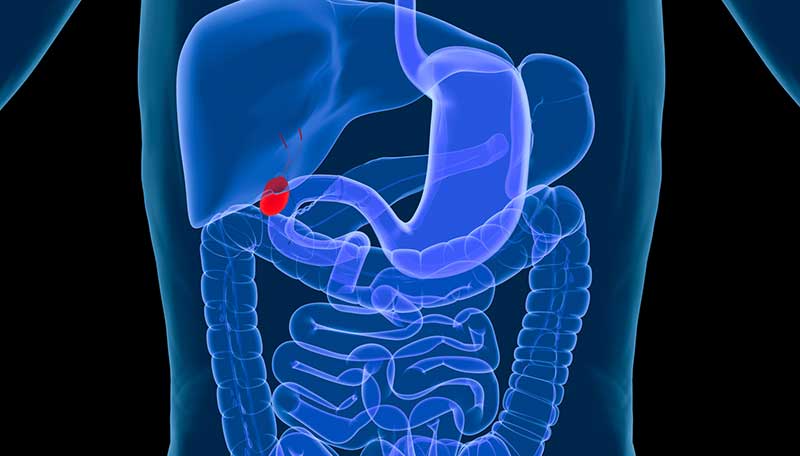
When the gallbladder is removed, the body loses its natural storage unit for bile. Normally, the gallbladder stores bile produced by the liver and releases it in a controlled way during digestion, especially after eating fatty meals. Without this organ, bile flows continuously into the intestine, even when it isn’t needed. For some individuals, this change causes minimal or no symptoms. However, others may experience digestive discomfort, including bloating, diarrhea, indigestion, or difficulty digesting high-fat foods. Over time, the body usually adapts, but certain complications or conditions may still develop.
Below are three health issues that may follow gallbladder removal. These conditions do not occur in everyone, but understanding them can help people take early action if symptoms appear.
1. Postcholecystectomy Syndrome (PCS)
One of the most common issues after gallbladder removal is postcholecystectomy syndrome. PCS is a collection of symptoms such as abdominal pain, nausea, bloating, heartburn, and diarrhea that continue or appear after surgery. It may be caused by bile reflux, changes in bile flow, or underlying digestive problems that existed before the surgery but were not detected. In many cases, PCS improves with dietary changes and medications, but persistent symptoms should be evaluated by a healthcare professional.
2. Bile Acid Diarrhea
Without the gallbladder to regulate bile release, excess bile may enter the intestines and irritate the colon. This can lead to chronic diarrhea, urgency, and abdominal cramping. This condition is known as bile acid diarrhea or bile acid malabsorption. While uncomfortable, it is usually manageable. Doctors may prescribe bile-binding medications and recommend diet adjustments, such as reducing fatty foods and increasing soluble fiber intake. Early diagnosis is key to reducing symptoms and preventing dehydration.
3. Increased Risk of Digestive Disorders
Some research suggests that people who have had their gallbladder removed may be at a slightly higher risk of developing certain digestive issues over time. These can include gastritis, acid reflux, or small intestinal bacterial overgrowth (SIBO). The constant drip of bile into the digestive tract may alter gut bacteria or irritate the stomach lining. While these complications are not guaranteed, maintaining a healthy diet rich in fiber, staying hydrated, and avoiding excessive fatty or spicy foods can help reduce the risk.
Although these conditions may sound concerning, it is important to remember that gallbladder removal is often necessary and lifesaving. In many cases, surgery is the safest and most effective option when symptoms are severe or complications arise. Avoiding surgery without medical guidance can be dangerous, especially if infections, blockages, or inflammation worsen.
Ultimately, anyone considering gallbladder removal should consult a healthcare professional to weigh the benefits and possible risks. With the right care, lifestyle adjustments, and awareness, most people live healthy, comfortable lives even without a gallbladder.