How to Use Guava for Eye Comfort | Natural Remedies for Healthy Eyes
Health 02/12/2025 00:34
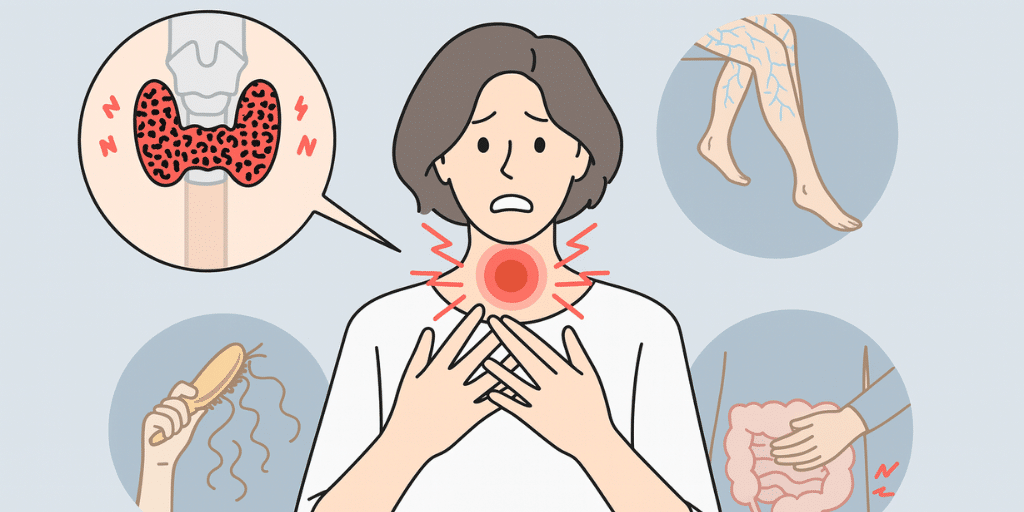
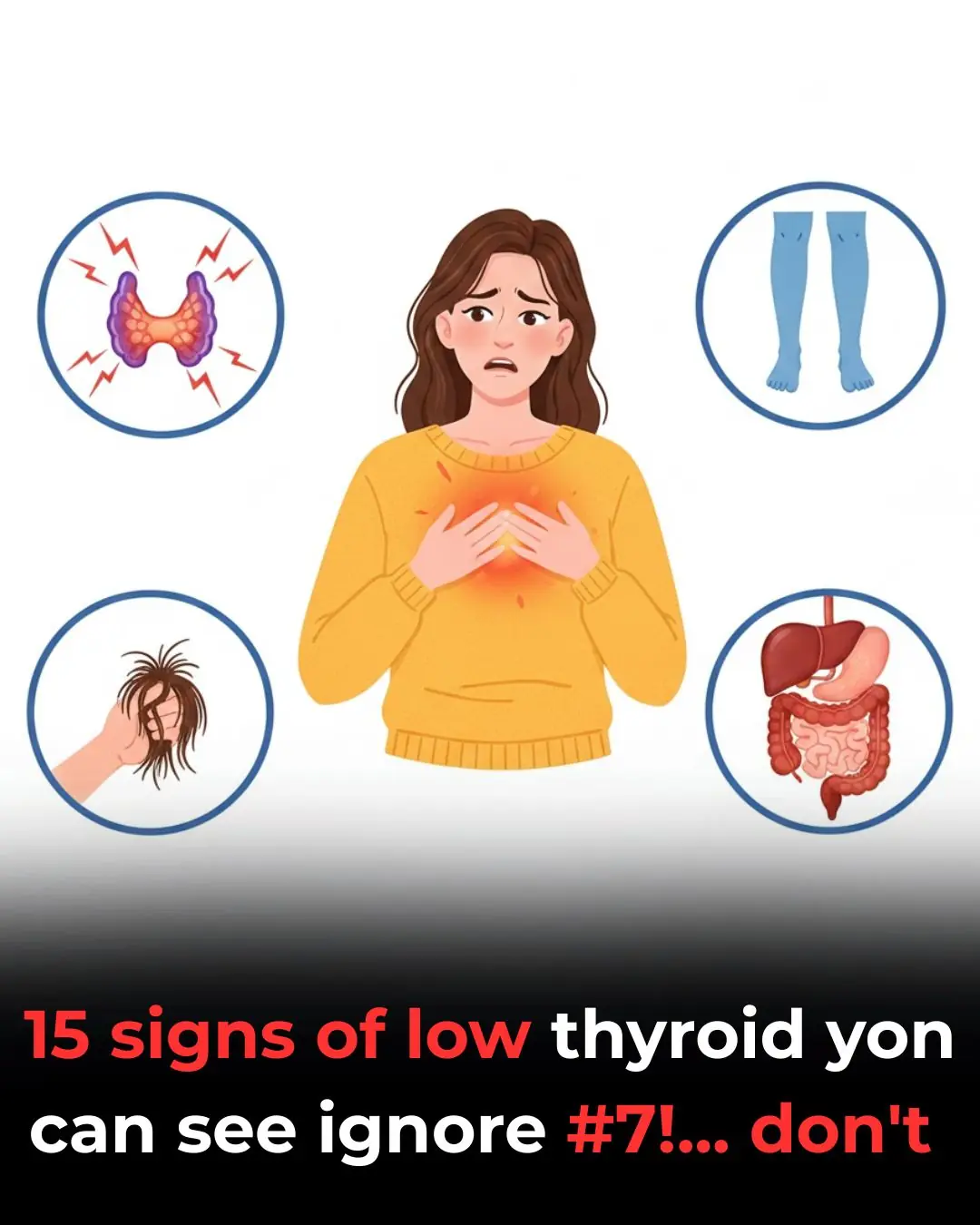
Have you ever felt like something is just… off? Perhaps you're struggling with persistent fatigue, stubborn weight gain, or dry skin that no amount of moisturizer seems to fix. There’s a small, butterfly-shaped gland in your neck that might be the culprit, and when it isn’t functioning properly, it can feel like your entire body is falling apart.
This is your thyroid gland, and it serves as the master regulator of your metabolism. It produces hormones that control how your body uses energy, influencing nearly every organ. When your thyroid becomes underactive—a condition known as hypothyroidism—this entire system slows down. Millions of people have an underactive thyroid without realizing it, often dismissing their symptoms as part of aging or stress. Today, we’ll explore the top 15 signs of hypothyroidism so you can recognize the warning signs and take action. (Based on the expertise of Dr. Siobhan Deshauer)
What it is: Hypothyroidism, or an underactive thyroid, causes a variety of symptoms that can affect everything from your skin and hair to your mood and energy levels.
Visible Signs: Many symptoms are visible, such as changes to your skin, hair, nails, or swelling in the face and neck.
Hidden Symptoms: Less obvious signs include chronic fatigue, intolerance to cold, depression, and unexplained weight gain.
Diagnosis & Treatment: Diagnosis is simple with a blood test, and treatment with thyroid hormone replacement is highly effective.
A visible sign of hypothyroidism can be an enlargement of the thyroid gland itself. Your brain constantly monitors thyroid hormone levels and signals the thyroid with Thyroid Stimulating Hormone (TSH) to boost hormone production. If the thyroid is underperforming, the brain increases the TSH output, causing the thyroid to enlarge. This results in a swelling at the base of your neck, known as a goiter. In severe cases, a goiter can grow large enough to make swallowing or breathing difficult.
Think of your skin as a brick wall, with cells acting as bricks and oils holding them together. An underactive thyroid reduces the production of these oils, leading to skin that loses moisture. This results in very dry, rough skin and visible cracks that resemble a mosaic of tiles.
Thyroid hormones regulate the shedding and regeneration of skin cells. When those hormones are low, this process is disrupted, causing a buildup of dead skin cells and keratin (a tough protein). This leads to thickened skin, particularly on the palms and soles of the feet, a condition called palmar-plantar keratoderma.
Keratin is the key protein in your hair, and because hypothyroidism interferes with normal hair growth, you may experience hair thinning and loss. This disruption causes your hair to become brittle, dull, and thin. More concerning, hair follicles may enter their resting phase too early, leading to widespread shedding across your scalp.
Low thyroid hormones can affect nail growth, making your nails thick and brittle. They may become prone to splitting, breaking, and forming vertical ridges. In some cases, the nail may even begin to detach from the nail bed—a condition known as onycholysis.
A classic sign of hypothyroidism is thinning of the outer third of your eyebrows, which doctors often look for. This specific pattern, sometimes referred to as the "Sign of Queen Anne," can help identify thyroid issues.
If you notice persistent puffiness, especially around your eyes, it could be due to hypothyroidism. This isn’t just regular water retention—it's the buildup of a gelatinous substance called myxedema. This substance accumulates in the skin, particularly around the face and eyes, making the skin appear swollen and doughy.
Myxedema can also build up in muscles, including the tongue, making it appear swollen. A swollen tongue not only feels uncomfortable but can also obstruct the airway during sleep, potentially exacerbating or causing obstructive sleep apnea.
Hypothyroidism can lead to carpal tunnel syndrome, where swelling and fluid buildup from myxedema increase pressure in the narrow passageway of the wrist. This can compress the median nerve, resulting in numbness, tingling, or pain in the thumb and fingers.
A constant feeling of coldness, even in warmer environments, is a common symptom of hypothyroidism. Your metabolism is slowed down, meaning your body isn’t generating as much heat, leading to a persistent intolerance to cold.
If you’ve noticed a yellow or orange tint to your skin, especially on your palms and soles of your feet, this could be a sign of hypothyroidism. A buildup of beta-carotene, found in foods like carrots and sweet potatoes, occurs because the thyroid isn’t converting it into vitamin A properly. This can cause the pigment to accumulate in your skin.
Your thyroid has a profound effect on your brain. Low levels of thyroid hormones can lead to a decrease in serotonin and dopamine levels, neurotransmitters that regulate mood and emotion. This can result in depression, mood swings, and a lack of motivation. If you're experiencing unexplained mood changes or brain fog, it's important to check for thyroid issues.
For women, hypothyroidism can affect the menstrual cycle. A low thyroid can cause an imbalance in estrogen and progesterone, leading to heavier, longer, or more irregular periods.
Chronic, unexplained fatigue is one of the most common symptoms of hypothyroidism. This type of fatigue is profound and persistent, not just the result of a long day. When your metabolism slows, your energy levels plummet, leaving you exhausted despite adequate rest.
Along with fatigue, unexplained weight gain and constipation are frequently seen in those with hypothyroidism. A slow metabolism leads to fewer calories burned at rest, making weight gain easier even if your diet and exercise routine remain unchanged. The digestive system also slows, resulting in constipation.
If several of these symptoms sound familiar, don’t panic. The first step is to consult with your doctor. Fortunately, diagnosing hypothyroidism is straightforward with a simple blood test that measures your TSH levels. If the test shows a high level of TSH, it means your brain is trying to stimulate a thyroid that isn’t working efficiently.
The good news is that hypothyroidism is highly treatable. The standard treatment is a daily medication called levothyroxine, which replaces the thyroid hormone your body isn’t producing enough of. With proper treatment, many of the symptoms can be dramatically improved or even reversed, helping you feel like yourself again.