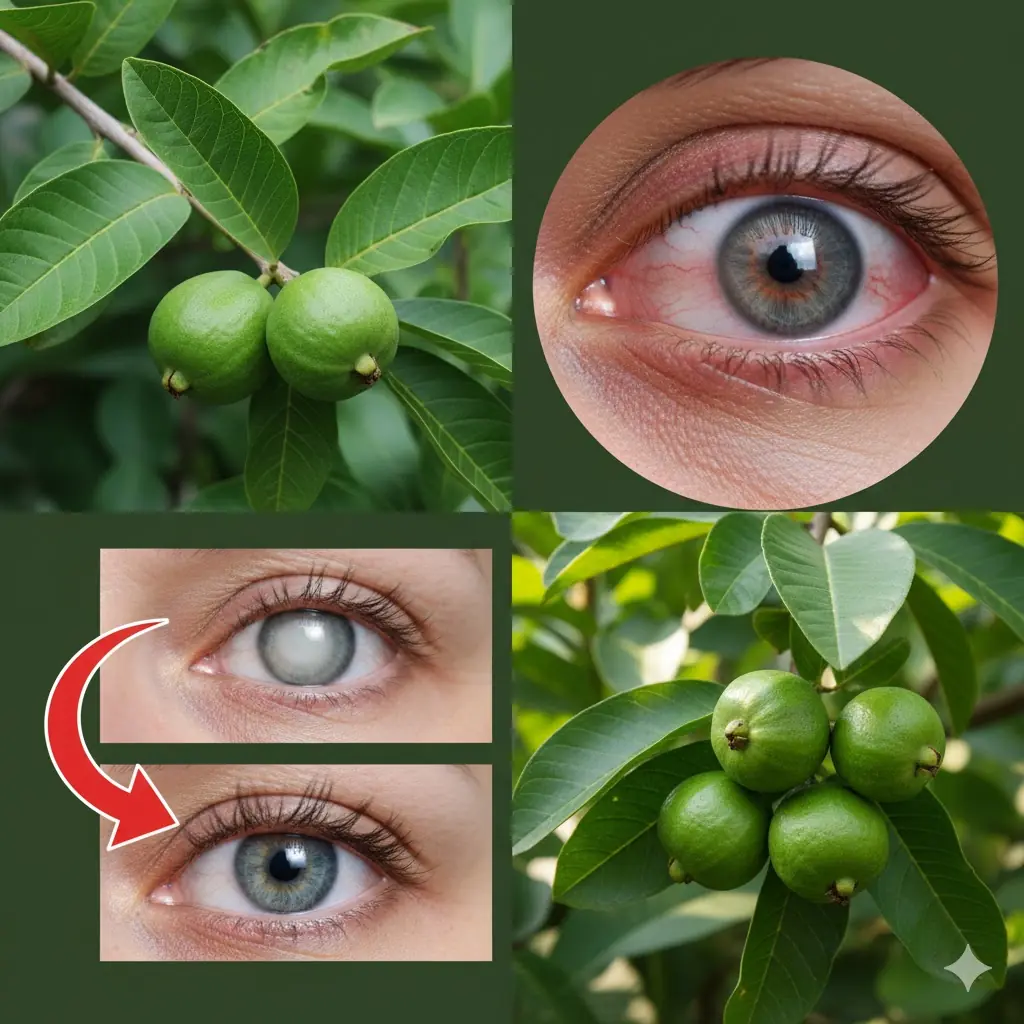
How to Use Guava for Eye Comfort | Natural Remedies for Healthy Eyes
Health 02/12/2025 00:34

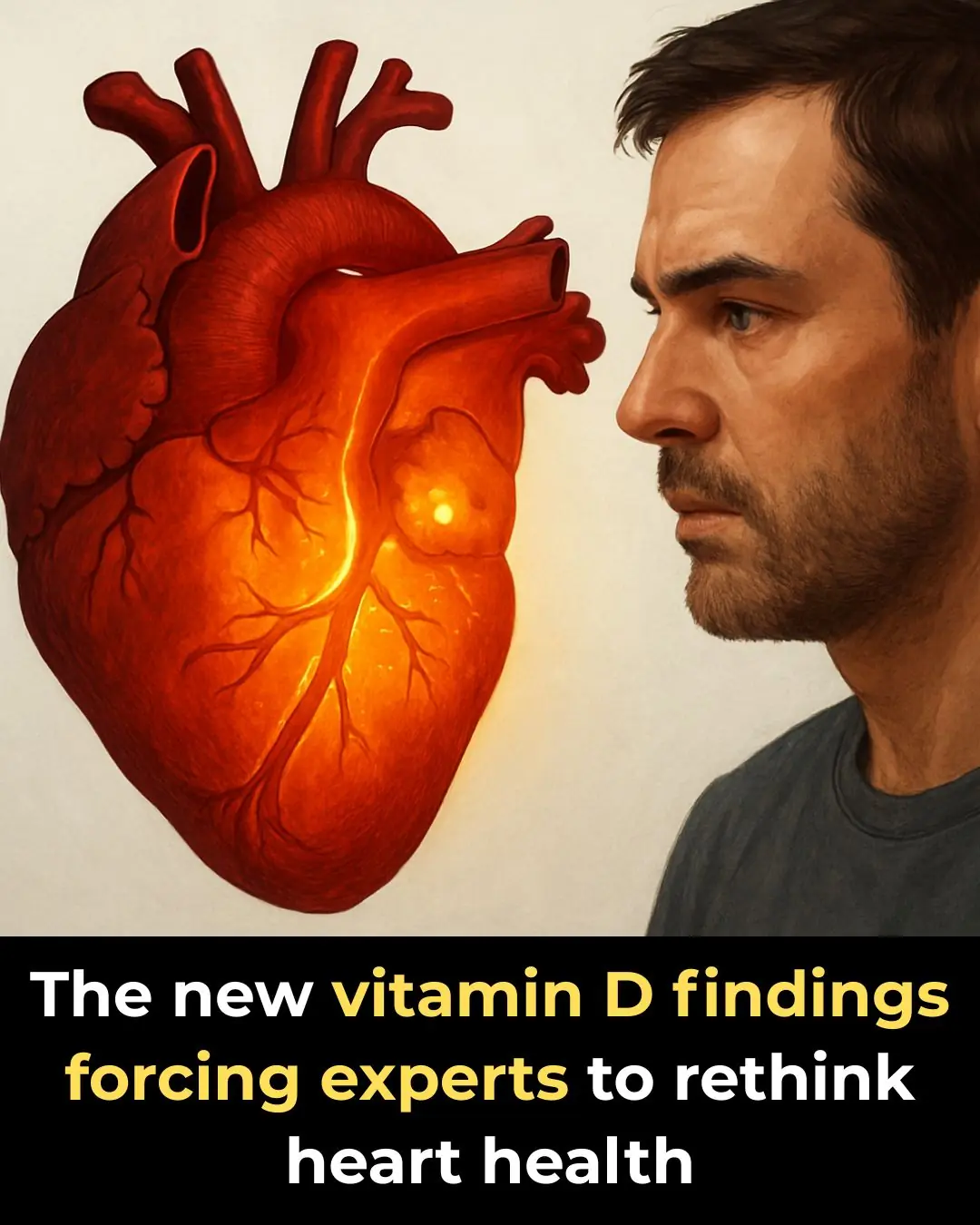
The first time people realize that they have heart problems is when they experience a heart attack, which is also called a myocardial infarction. A heart attack occurs when an artery that sends blood and oxygen to the heart is blocked. And unfortunately, once the muscle tissue of the heart has been damaged, your quality of life will never be quite the same again.
Not only will this affect your heart’s rhythm and its ability to pump blood to the rest of your body, it also increases your risk for a second heart attack and other conditions such as stroke, kidney disorders, and peripheral arterial disease.
While your heart isn’t visible to the naked eye, there are still physical changes that can clue you in that something is amiss even before anything happens.
Knowing these warning signs can make a big difference. If you notice several of these on your body, don’t ignore them. This is a wake-up call that you need to start taking better care of your heart. Otherwise, you risk suffering a life-changing or in some cases lethal cardiovascular event.

Do you have diagonal creases on your earlobes? Though we are not born with it, this physical trait starts to appear later in life and becomes more and more prominent with age.
It’s known as Frank’s sign, named after Sanders T. Frank, an American doctor who first described the sign. In a letter published in the New England Journal of Medicine in 1973, he described 20 of his patients with an earlobe crease, who were under 60 years old, with angina (chest pain) and proven coronary artery blockages.
Since then, over 40 studies have found an association between this physical appearance of the ear and an increased risk of atherosclerosis, which is a heart condition where plaque builds up inside your arteries.
A true correlation, not Just a chance finding
The largest study to date, and probably the most powerful was published in 2014. Almost 11,000 Danish participants were followed for up to 35 years. All participants were free of known coronary artery disease at the beginning of the study.
The study found that participants who developed a visible earlobe crease were significantly associated with an increased risk of developing heart disease. And these associations were found to be independent of other, well-established cardiovascular risk factors such as smoking, diabetes, obesity and hypertension.
But why would having an earlobe crease be associated with heart disease?
While researchers are still not clear as to what the exact cause of the association is, some have suggested it may be due to poor blood circulation often seen in patients with heart disease.

Another physical sign that your heart isn’t getting as much blood as it should be, is yellow, fatty bumps. These are called xanthomas and can appear on the elbows, knees, buttocks or eyelids. The bumps themselves are harmless, but they can be a sign of heart problems.
Xanthomas are most commonly seen in people with a genetic condition called familial hypercholesterolemia. People with this condition have exceptionally high levels of low-density lipoprotein cholesterol (LDL), also commonly known as bad cholesterol.
When excessive amounts of LDL cholesterol are present in the body they can accumulate in the skin. Unfortunately, these fatty deposits also find their way into the arteries that supply blood and oxygen to the heart.

A phenomenon known as nail clubbing may also be a sign that something wrong is going on with your heart. The tips of the fingers enlarge and the nails become extremely curved from front to back.
The reason this visible change occurs is because oxygenated blood is not reaching the fingers properly. When your tissue can’t get enough oxygen, the cells start to produce vascular endothelial growth factor (VEGF) in an attempt to grow more blood vessels to rectify the problem.
The end result is nail clubbing, where the fingernails change shape, becoming thicker and wider, due to more tissue being produced.
Surprisingly, this physical change is usually painless and happens on both hands.

Fat and cholesterol deposits don’t always end up under your skin. Some of it may also be found in the eye, as a grey or white ring circling the iris, the coloured part of your eye.
This condition is called arcus senilis and naturally develops as people age. It occurs because blood vessels in the eye tend to widen with age, allowing more cholesterol to pass through.
About 45% of people over the age of 40 have this fatty halo around their iris, rising to about 70% of people over the age of 60. Having arcus senilis does not cause vision problems but its presence has been associated with some of the risk factors for coronary heart disease.
If you’re under the age of 40 and have arcus senilis, have your doctor test your cholesterol levels.
When was the last time you went to the dentist? Not enough people know about this but the state of your oral health can also be a good predictor of your cardiovascular health. Many studies have found that tooth loss and gum disease like periodontitis are markers of heart disease.
That’s because your mouth is full of bacteria, both good and bad.
In a situation where someone has poor dental health, it increases the risk of bad bacteria entering the bloodstream from the mouth and causing inflammation in the blood vessels. This kind of damage can negatively impact your heart valves. This is especially true for those that have artificial heart valves.
Always take the time to brush and floss properly.
Another visible sign from the mouth that you shouldn’t ignore is the color of your lips.
Lips in general tend to be red, but they can also take on a bluish color in people with heart problems. This is because the cardiovascular system isn’t able to deliver oxygen-rich blood in the area.
Keep in mind that people also get blue lips if they are extremely cold or have been at a high altitude. You’ve probably experienced something similar from swimming in a lake on a cold day. In this case, the blue lips are temporary and will resolve itself quite quickly once you’re warmed up.
The majority of the symptoms mentioned on this list can have a benign cause. But if you are worried or in doubt, get in touch with your healthcare professional for an expert opinion.
And if it turns out that you do have heart problems, don’t panic. Instead, adopt a proactive approach to avoid further complications such as eating a more healthy diet, staying more active and other measures to prevent the progression of coronary heart disease.