Grow Longer Eyelashes and Thicker Eyebrows in Just 3 Days 💯
Health 22/01/2026 14:50
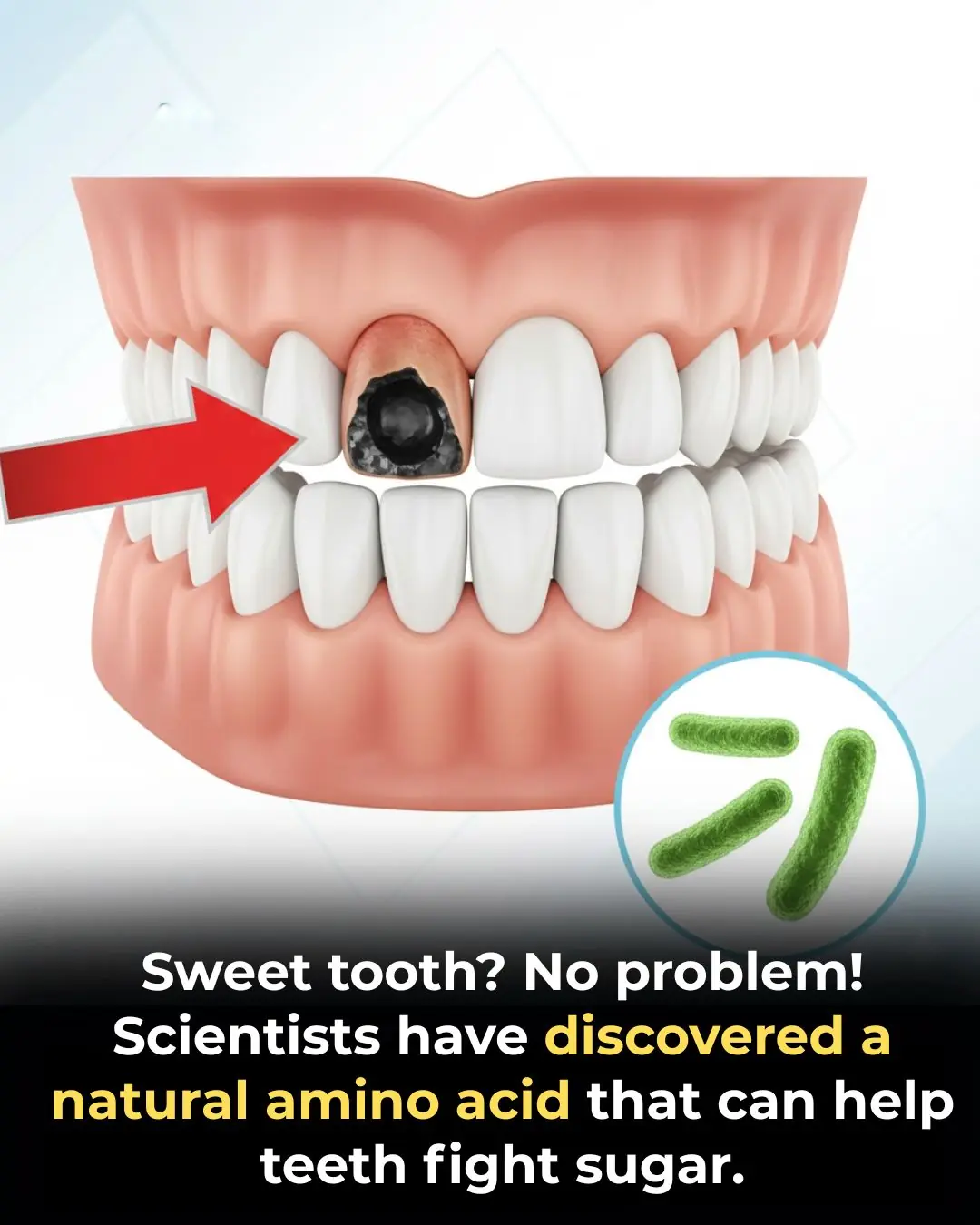
For decades, the prevention of tooth decay has relied largely on physical protection methods and chemical reinforcement, most notably through fluoride-based treatments. These approaches have played a crucial role in strengthening enamel and reducing cavities worldwide. However, recent research from Aarhus University has introduced a transformative new perspective on oral health—one that emphasizes biology and balance rather than barriers alone. Scientists have identified the amino acid arginine as a powerful, naturally occurring agent capable of neutralizing harmful acids in the mouth and reshaping the future of preventive dentistry.
Tooth decay primarily develops when sugar-consuming bacteria metabolize carbohydrates and release organic acids as byproducts. These acids lower the pH in the oral environment, gradually dissolving tooth enamel and increasing the risk of cavities. Arginine, which is naturally present in human saliva and found in many protein-rich foods such as meat, dairy, nuts, and legumes, works in direct opposition to this process. Instead of contributing to acidity, arginine supports chemical neutrality and oral stability.
The protective role of arginine is driven by a biochemical pathway known as the Arginine Deiminase System (ADS). Certain beneficial bacteria within the dental biofilm—often referred to as “health-associated” or “commensal” bacteria—possess this system. Through ADS, these microorganisms metabolize arginine and produce alkaline substances, including ammonia. This reaction raises the pH level of dental plaque, effectively buffering the acids generated by harmful, sugar-loving bacteria.
In a significant clinical study involving human participants, researchers demonstrated that dental plaque exposed to arginine maintained a substantially higher pH even after sugar intake. This finding is critical, as maintaining a neutral or slightly alkaline oral environment is one of the most effective ways to prevent enamel demineralization and cavity formation.
Beyond its chemical buffering capacity, arginine also influences the physical structure of dental plaque. Dental plaque is a complex biofilm composed of bacteria embedded in a sticky matrix of carbohydrates and proteins. This matrix allows plaque to adhere firmly to tooth surfaces, making it difficult to remove and creating ideal conditions for decay. Studies have shown that arginine treatment alters this matrix by reducing specific carbohydrate components—particularly fucose-rich structures—that strengthen plaque adhesion. As a result, plaque becomes less dense, less sticky, and easier to disrupt through routine oral hygiene practices.
Perhaps most importantly, arginine encourages a healthier microbial balance in the mouth. Rather than eliminating bacteria indiscriminately, as many antiseptic agents do, arginine selectively supports beneficial species while suppressing the dominance of acid-producing pathogens. This approach aligns with the modern concept of “ecological plaque management,” which aims to maintain a stable and diverse oral microbiome instead of sterilizing it.
The promise of arginine is especially compelling because it is a safe, naturally occurring substance already produced by the human body. Unlike aggressive chemical treatments, arginine works in harmony with natural biological processes. This makes it particularly suitable for long-term daily use. As research continues to advance, arginine is increasingly being incorporated into toothpastes, mouth rinses, and other oral care products, offering new hope for individuals who are especially prone to cavities, including children, older adults, and those with reduced saliva flow.
In an era defined by high sugar consumption and processed diets, this discovery represents a meaningful shift in preventive dentistry. By leveraging a simple amino acid that supports the mouth’s natural defenses, researchers are redefining how oral health can be protected. Arginine stands as a powerful reminder that sometimes the most effective solutions come not from stronger chemicals, but from understanding and enhancing the body’s own biological systems.
Marsh, P. D. (2018). In sickness and in health—What does the oral microbiome mean to us? Nature Reviews Microbiology, 16(5), 305–316.
Nascimento, M. M., et al. (2019). The role of arginine metabolism in oral biofilm ecology. Journal of Dental Research, 98(6), 644–654.
Kleinberg, I. (2002). A mixed-bacteria ecological approach to understanding the role of the oral bacteria in dental caries. Caries Research, 36(2), 131–138.
Philip, N., & Walsh, L. J. (2014). The potential role of arginine in caries prevention. Journal of Oral Biosciences, 56(4), 217–224.
World Health Organization (WHO). Sugars and dental caries. WHO Oral Health Fact Sheets.