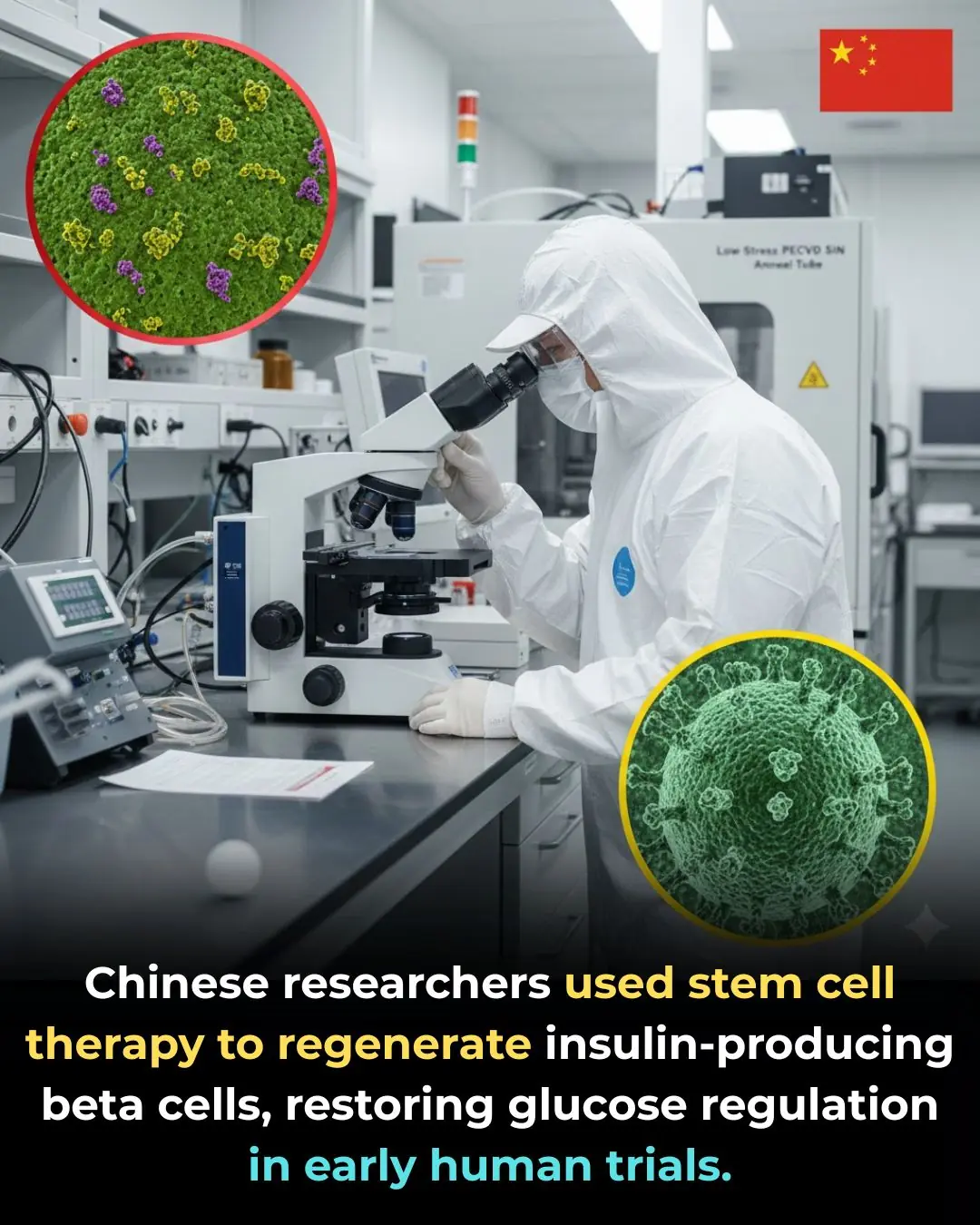
Stem Cell Therapy for Diabetes: A Potential Breakthrough
Health 21/01/2026 19:13
Frances H. Arnold, born in 1956 in Pittsburgh, transformed modern science by introducing directed evolution, a method that mimics and accelerates nature’s own process of mutation, variation, and selection. Instead of rigidly designing enzymes from scratch, Arnold allowed them to evolve toward optimal solutions in the laboratory. This approach has become a fundamental tool across biotechnology and pharmaceuticals, enabling breakthroughs in cleaner fuels, sustainable chemistry, and more efficient drug production.
Mutation: Enzymes are deliberately altered to create genetic diversity.
Variation: Different versions are tested under controlled conditions.
Selection: The most effective variants are chosen and further refined.
This iterative process mirrors natural evolution but at a vastly accelerated pace, allowing scientists to engineer enzymes with properties far beyond what nature alone provides.
Arnold’s innovations have:
Green Chemistry: Replaced toxic industrial chemicals with environmentally friendly enzymes.
Cleaner Fuels: Enabled biofuels that reduce reliance on fossil fuels.
Pharmaceuticals: Streamlined drug production, lowering costs and improving efficiency.
Today, directed evolution is used in hundreds of laboratories and companies worldwide, from developing laundry detergents to producing advanced medicines.
Arnold faced skepticism and early rejections, but her persistence reshaped how scientists approach discovery. By daring to rethink traditional methods, she demonstrated that resilience and adaptability are as vital as technical skill in achieving groundbreaking results.
In 2018, Frances Arnold became the first American woman to win the Nobel Prize in Chemistry, honored “for the directed evolution of enzymes”. She shares this distinction with only a handful of women in Nobel history, underscoring her role as a trailblazer in science. Beyond her Nobel Prize, Arnold has received numerous awards, including the National Medal of Technology and Innovation (2013) and the Millennium Technology Prize (2016).
Her legacy proves that innovation often comes from embracing uncertainty and daring to challenge convention. Directed evolution not only transformed enzyme engineering but also opened new pathways for sustainable technologies and medical advancements.
Frances Arnold’s pioneering work in directed evolution revolutionized enzyme engineering, reshaped biotechnology, and earned her the 2018 Nobel Prize in Chemistry. Her story is a testament to resilience, creativity, and the power of rethinking science.
Sources:
Nobel Prize official archives
Wikipedia – Frances Arnold
Caltech News – Frances Arnold Wins 2018 Nobel Prize in Chemistry