How To Find Relief From Bloating, Constipation and Inflammation
Inflammation, bloating, and constipation are common digestive concerns that can significantly affect comfort, energy levels, and overall quality of life. While inflammation is a normal immune response to injury or infection, chronic inflammation can contribute to ongoing digestive discomfort and broader health issues. Bloating often presents as abdominal fullness or swelling, usually caused by excess gas or fluid retention. Constipation—marked by infrequent, hard, or difficult bowel movements—can further compound discomfort and disrupt daily routines. Recognizing these symptoms is the first step toward improving digestive health and restoring balance.
The Science Behind Digestive Discomfort
Inflammation occurs when the immune system releases chemicals to protect the body from perceived threats. When this response becomes prolonged, it can irritate the digestive tract and interfere with normal gut function. Bloating commonly results from undigested food fermenting in the intestines, which produces gas. Constipation may develop due to low fiber intake, dehydration, limited physical activity, or slowed intestinal motility. Understanding these underlying mechanisms helps guide effective, long-term solutions rather than temporary relief.
Lifestyle Changes That Support Digestion
Simple lifestyle habits can make a noticeable difference in digestive health. Regular physical activity encourages intestinal movement, supporting more consistent bowel habits. Adequate hydration helps soften stool and eases its passage through the digestive system. Managing stress is equally important, as the gut and nervous system are closely connected. Practices such as meditation, gentle stretching, yoga, or deep breathing can reduce stress-related digestive symptoms and promote overall gut balance.
Dietary Adjustments for a Healthier Gut
What you eat plays a central role in digestion. A diet rich in fiber, probiotics, and anti-inflammatory foods can reduce bloating, ease constipation, and calm digestive irritation. Whole grains, fruits, vegetables, and legumes provide fiber that supports regular bowel movements. Probiotic-rich foods—such as yogurt, kefir, sauerkraut, and other fermented products—help maintain a healthy gut microbiome. Anti-inflammatory foods like fatty fish, nuts, olive oil, and leafy greens further support digestive and overall health.
Effective Home Remedies
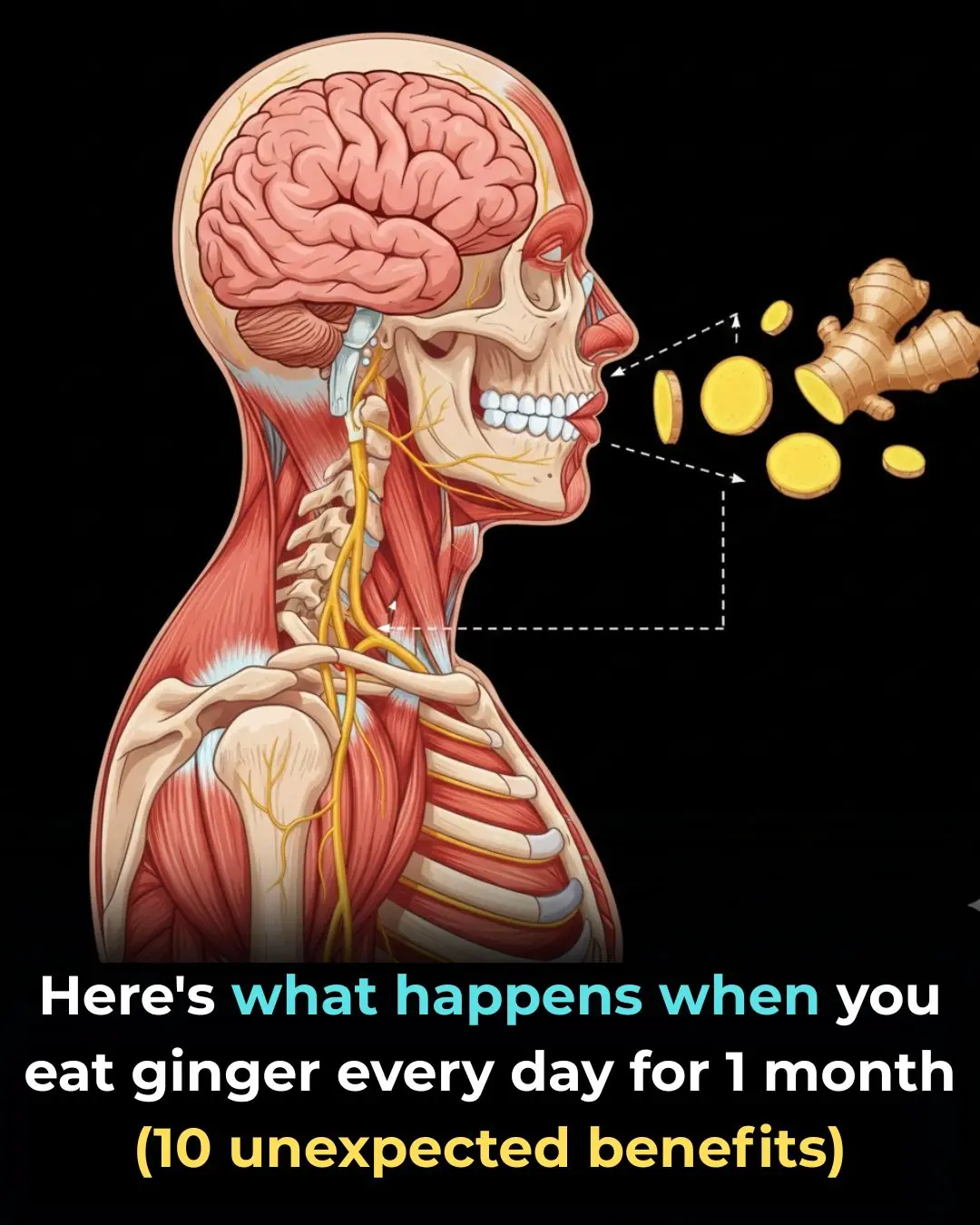
Natural remedies can offer gentle, accessible relief from common digestive complaints. Ginger tea contains compounds with anti-inflammatory properties that can ease bloating and support digestion. Peppermint oil helps relax gastrointestinal muscles, reducing cramping and discomfort—especially beneficial for people with irritable bowel syndrome (IBS). Probiotic yogurt can help rebalance gut bacteria and improve bowel regularity. Drinking warm lemon water in the morning may also stimulate digestion and encourage healthy bowel movements.
Final Thoughts
Improving digestive health often requires a combination of mindful lifestyle habits, supportive nutrition, and natural remedies. Consistency is essential—small, daily changes can lead to meaningful improvements over time. Eating slowly, chewing thoroughly, staying hydrated, and limiting highly processed foods all contribute to a healthier gut. By listening to your body and responding early to digestive discomfort, you can reduce inflammation, bloating, and constipation while supporting long-term well-being. With patience and care, achieving a balanced and comfortable digestive system is both realistic and rewarding.