14 Powerful Benefits of Moringa Leaves That Might Surprise You
Health 21/01/2026 18:09
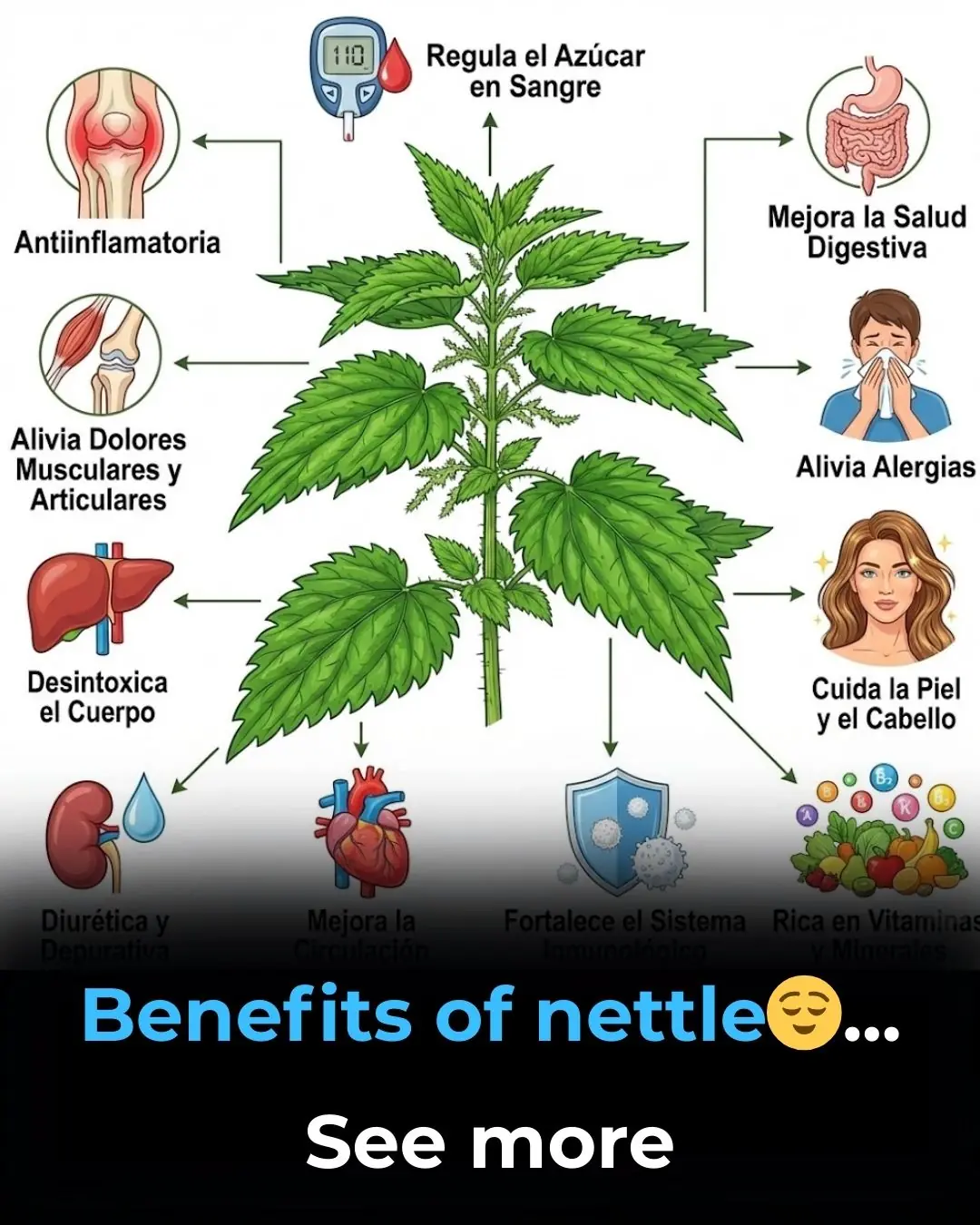
Nettle: A Powerful and Underestimated Medicinal Plant
Nettle is one of the most complete and underestimated medicinal plants in nature. Used since ancient times in traditional European and Latin American medicine, it stands out for its high nutrient content, its purifying capacity, and its beneficial effects on joints, blood, kidneys, and the immune system. Today, science supports many of the traditional uses that have been passed down through generations.
What is Nettle and Why is it So Powerful?
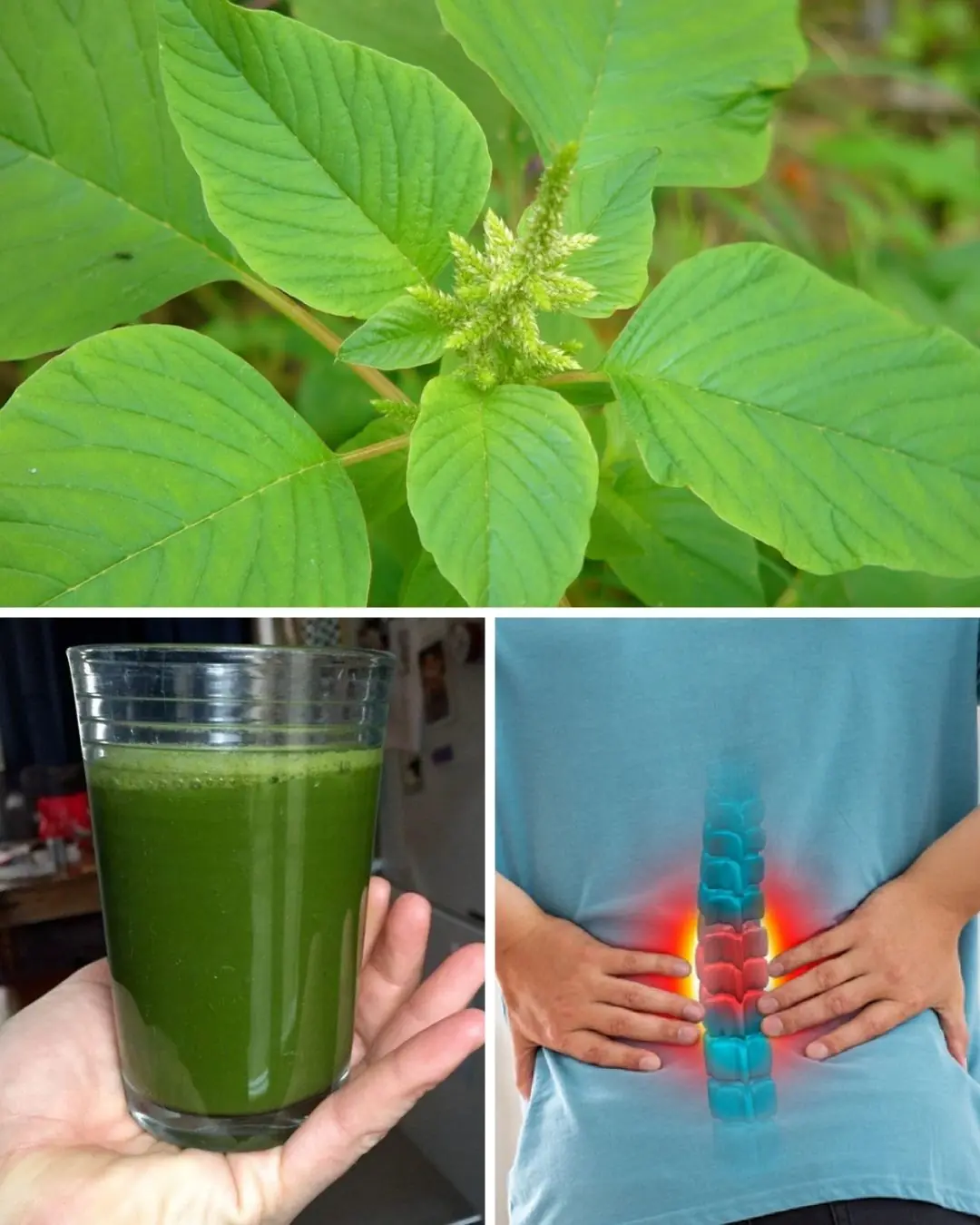
Nettle, scientifically known as Urtica dioica, is a plant rich in vitamins, minerals, antioxidants, and bioactive compounds. Although it is famous for causing irritation upon direct contact when fresh, once properly processed, it becomes a true functional food and natural remedy.
Its value lies in its high concentration of iron, calcium, magnesium, potassium, vitamins A, C, K, and B complex, as well as flavonoids and chlorophyll.
Nettle as a Natural Analgesic and Anti-inflammatory
One of the most well-known benefits of nettle is its ability to relieve joint and muscle pain. Various studies have shown that its anti-inflammatory compounds help reduce chronic inflammation, especially in cases of arthritis, rheumatism, and joint discomfort.
For this reason, nettle has traditionally been used to improve mobility and reduce pain without resorting to harsh medications.
Purifies the Blood and Promotes Detoxification
Nettle is considered a top depurative plant. It helps eliminate toxins accumulated in the body and promotes blood cleansing thanks to its mild diuretic effect and its contribution of chlorophyll.
This depurative effect contributes to better cellular oxygenation and maintaining a healthy internal balance.
Improves Digestion and Intestinal Health
Consumed as an infusion or extract, nettle stimulates the digestive system and promotes better nutrient absorption. It helps relieve heavy digestion, gas, and inflammatory processes in the intestine.
Additionally, its fiber content and bitter compounds help regulate intestinal transit.
Regulates Blood Sugar
Nettle has been studied for its potential to help maintain healthy blood glucose levels. Some of its compounds favor better insulin sensitivity, making it an interesting natural supplement in an integrated approach to metabolic health.
It should always be used as a support and not as a substitute for medical treatments.
Benefits of Nettle for the Kidneys
Due to its diuretic action, nettle favors the elimination of fluids and helps with proper kidney function. It contributes to kidney cleansing and may support the prevention of toxin and metabolic waste accumulation.
This effect makes it especially valued in natural body cleanses.
Strengthens Bones and Provides Essential Minerals
Nettle is a plant-based source rich in calcium, magnesium, and silicon—minerals essential for bone health. Regular consumption may contribute to strengthening bones and teeth, especially in individuals with higher mineral demands.
For this reason, it has traditionally been used as a nutritional support during growth stages and aging.
Benefits of Nettle for Hair and Skin
Another well-known use of nettle is its positive effect on hair. It helps strengthen it, stimulate growth, and reduce hair loss due to its richness in minerals and vitamins.
On the skin, its purifying and anti-inflammatory properties may help improve skin conditions associated with internal imbalances.
Relieves Allergies Naturally
Some studies suggest that nettle may help modulate the inflammatory response associated with seasonal allergies. Its natural antihistamine action may help relieve symptoms such as nasal congestion and sneezing in certain individuals.
An Ancient Plant with Modern Backing
Nettle is a clear example of how ancestral wisdom and modern research can align. Its nutritional and therapeutic profile makes it one of the most complete medicinal plants available in nature.
Like all medicinal plants, its use should be responsible and adapted to each person, especially in cases of pregnancy, chronic diseases, or medication use.
How to Prepare Nettle Safely and Correctly
Nettle can be prepared in various ways depending on the desired goal, always keeping in mind that it should never be consumed raw when fresh due to its stinging hairs, which can cause irritation. Once dried, cooked, or infused, it completely loses this effect.
How to Prepare Nettle Infusion
Infusion is the most common and safest way to consume nettle, ideal for taking advantage of its purifying, digestive, and anti-inflammatory properties.
To prepare it, dried nettle leaves are used. Add one teaspoon per cup of hot water, cover, and let it steep for 10 to 15 minutes. Then strain and drink.
It can be consumed once or twice a day, preferably in the morning or at noon.
How to Prepare Cooked Nettle as Food
Nettle can also be consumed as a vegetable, similar to spinach.
First, wash the fresh leaves well using gloves. Then, boil them for 5 to 10 minutes. Once cooked, they completely lose their stinging ability and can be added to soups, omelets, stews, or stir-fries.
This method allows you to take advantage of its high mineral and vitamin content.
How to Prepare Nettle Extract or Macerate
Nettle macerate is traditionally used as a purifying and strengthening support.
Place dried nettle leaves in a glass jar and cover with drinking alcohol or vegetable glycerin. Let it rest in a dark place for several weeks, shaking it occasionally. Then filter and store in a dark bottle.
This type of preparation should be used with knowledge and moderation.
External Use of Nettle
Nettle can also be used externally for hair and skin care.
The concentrated infusion is applied as a hair rinse to strengthen the hair and stimulate the scalp. It can also be used in compresses on the skin, always avoiding open wounds.
Important Precautions
Although nettle is a natural plant, it is not without precautions. Its prolonged use without supervision is not recommended for individuals with severe kidney issues, during pregnancy, breastfeeding, or for those taking anticoagulants or blood pressure medications.
It is always advisable to start with small amounts and observe the body's response.