Grow Longer Eyelashes and Thicker Eyebrows in Just 3 Days 💯
Health 22/01/2026 14:50
…but you’re still eating pastries and processed meats?
Here’s the truth: what most often raises LDL cholesterol (the “bad” cholesterol) is not a single food, but certain fats and ultra-processed products that are consumed repeatedly, day after day.
Cholesterol levels are shaped more by overall dietary patterns than by one isolated ingredient. Let’s break down the main culprits and explain why they matter.
Trans fats are the most harmful type of dietary fat when it comes to heart health. They significantly increase LDL cholesterol while simultaneously lowering HDL cholesterol (the “good” cholesterol), creating a double risk for cardiovascular disease.
📌 Where are they commonly found?
Sweet breads, cookies, donuts, cakes, pastries
Fried foods and fast food
Packaged products listing “partially hydrogenated oils” on the label
Because of their strong association with heart disease, many countries have restricted or banned trans fats, yet they can still appear in certain ultra-processed foods.
Saturated fats are not poison, but excessive intake has been consistently linked to higher LDL cholesterol levels, especially when they replace healthier unsaturated fats in the diet.
📌 Common sources include:
Butter, cream, full-fat milk, and high-fat cheeses
Fatty cuts of red meat and poultry skin
Bacon, chorizo, sausages, and other processed meats
Coconut oil and palm oil (widely used in ultra-processed foods)
Moderation is key. Replacing saturated fats with unsaturated fats—rather than refined carbohydrates—has been shown to improve cholesterol profiles.
Processed meats are problematic not only because of their fat content, but also due to their high sodium levels, preservatives, and additives. When consumed regularly, they are associated with an increased risk of cardiovascular disease and overall mortality.
📌 Examples include:
Ham, sausages, chorizo, pepperoni, bacon, deli meats.
Health organizations consistently recommend limiting these foods as part of a heart-healthy diet.
(They Don’t Always Raise Cholesterol Directly—but They Worsen the Lipid Profile) 🥤🍰
Excessive intake of added sugars and refined flours can lead to higher triglycerides, lower HDL cholesterol, insulin resistance, and weight gain—all of which negatively impact cardiovascular health.
📌 Common sources:
Soft drinks, sweetened juices, desserts
White bread, sugary cereals, packaged snacks and baked goods
Even if LDL cholesterol doesn’t rise dramatically, the overall lipid profile deteriorates, increasing cardiovascular risk.
Small, sustainable changes can make a meaningful difference:
Replace processed meats with real protein sources: chicken, fish, eggs, legumes
Use olive oil or canola oil instead of butter or lard
Increase soluble fiber, which helps reduce LDL:
Oats
Beans and lentils
Apples and citrus fruits
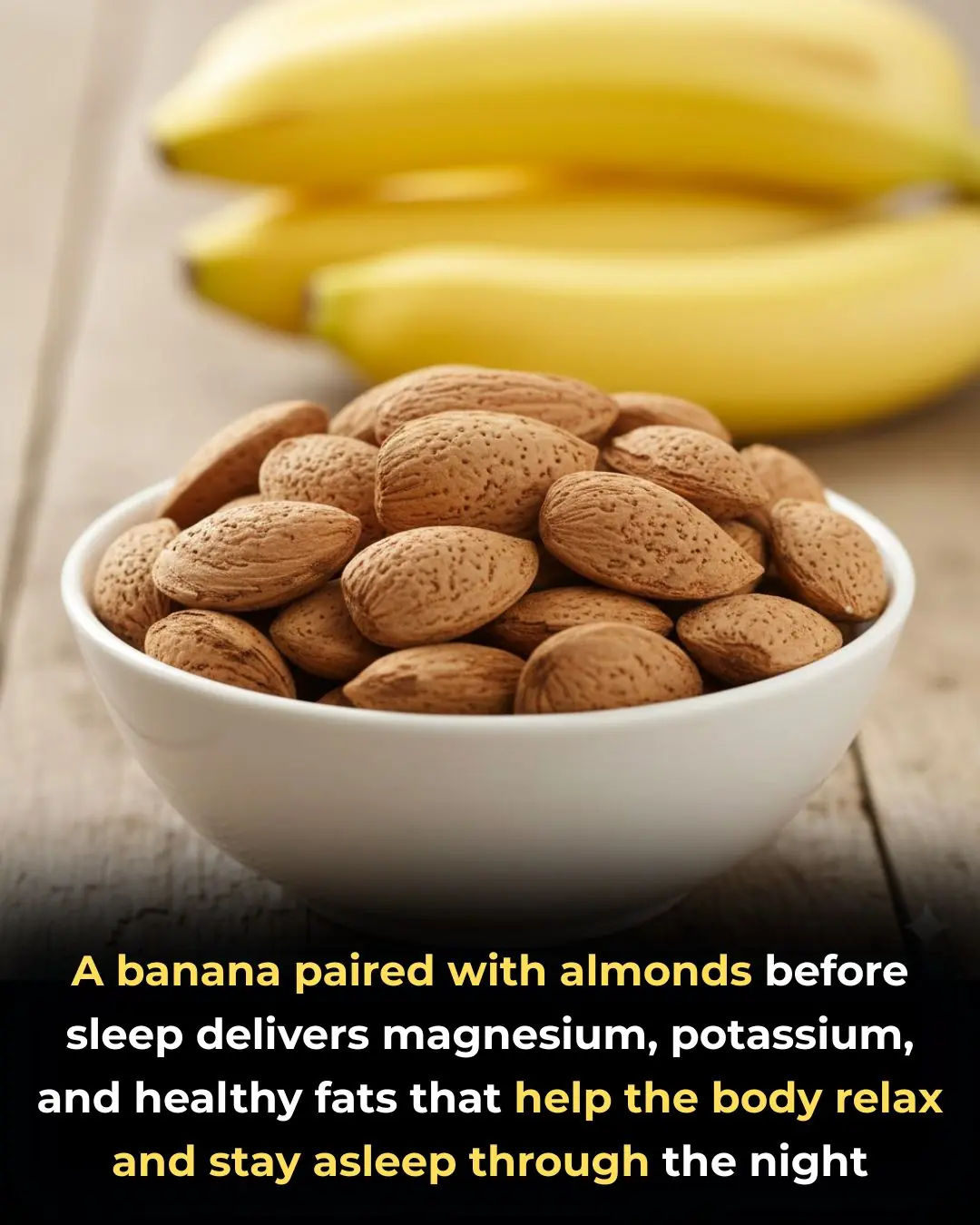
Include nuts in moderate portions (such as walnuts or almonds)
Consistency matters far more than perfection.
I’m Dr. Pau Zúñiga, and now I’d love to hear from you:
👉 Which of these foods is hardest for you to reduce or give up—pastries, processed meats, or cheese?
⚠️ This post is for educational purposes only and does not replace a personalized medical consultation.
World Health Organization (WHO). Healthy diet and cardiovascular disease prevention.
American Heart Association (AHA). Dietary fats and cardiovascular health.
Harvard T.H. Chan School of Public Health. Fats and cholesterol explained.
National Institutes of Health (NIH). Cholesterol and heart disease.
BMJ & The Lancet. Processed meat consumption and cardiovascular risk.