Mediterranean Diet Linked to Lower Risk of Multiple Sclerosis, Study Finds
Health 01/01/2026 16:04
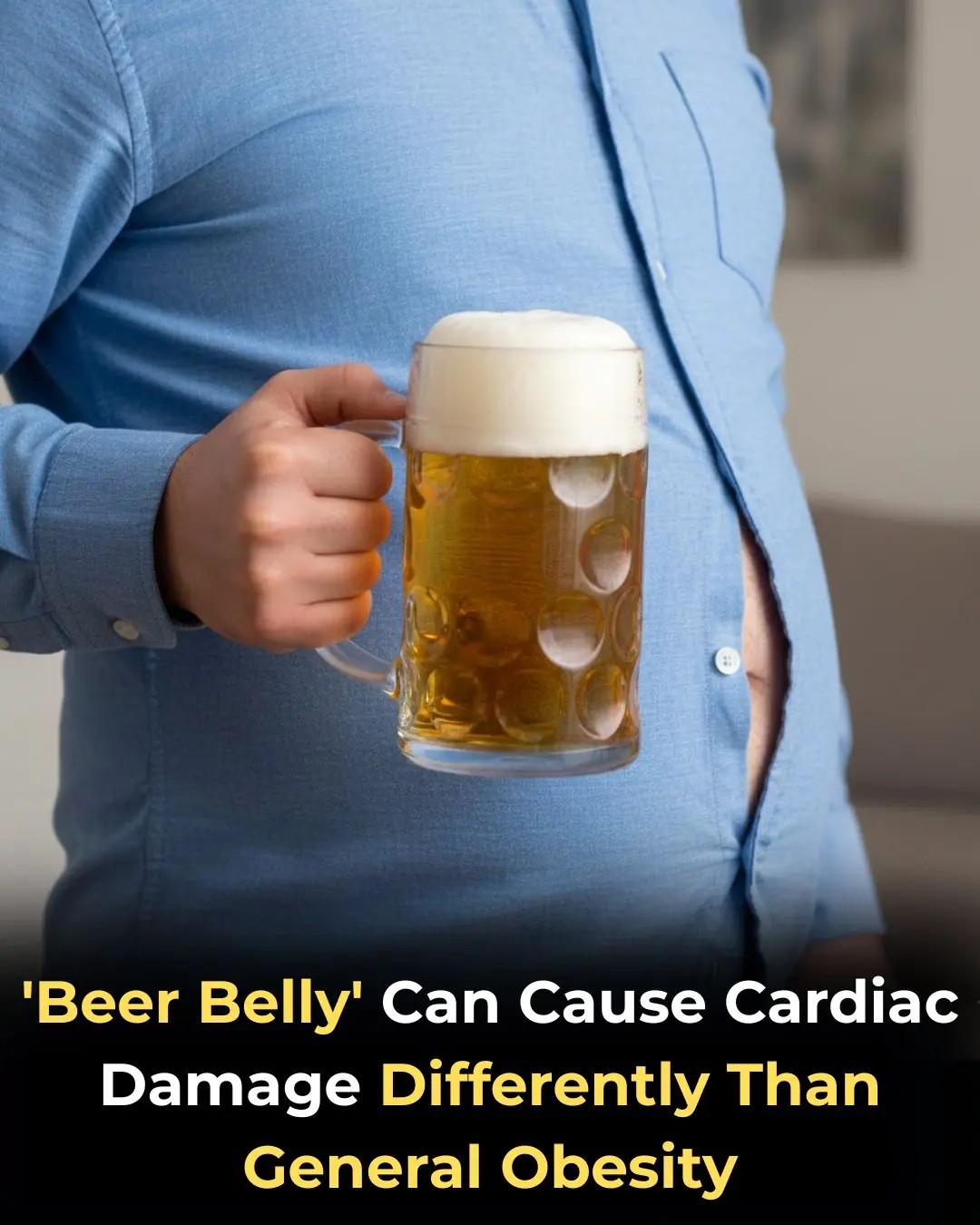
Holiday gatherings, football playoff parties, and cold winter weather often encourage indulgence—heavier meals, more alcohol, and less physical activity. While these seasonal habits may feel harmless, new research suggests they can contribute to a particularly dangerous form of weight gain commonly known as the “beer belly.” Unlike general obesity measured by body mass index (BMI), this visceral fat appears to harm the heart in distinct and potentially more dangerous ways.
The term “beer belly” refers to the accumulation of visceral adipose tissue—fat stored deep within the abdominal cavity, surrounding vital organs such as the liver, pancreas, and intestines. This type of fat differs from subcutaneous fat, which lies just beneath the skin.
Visceral fat is especially concerning because it is metabolically active, releasing inflammatory substances, hormones, and fatty acids directly into the bloodstream. These substances can adversely affect multiple organs, particularly the heart.
Recent findings presented at the Radiological Society of North America (RSNA) annual meeting suggest that visceral obesity may lead to cardiac damage through mechanisms different from those associated with general obesity as defined by BMI.
Using advanced imaging techniques, researchers examined how fat distribution—not just overall body weight—relates to heart structure and function. They found that individuals with higher levels of visceral fat showed distinct patterns of cardiac injury, even when their BMI did not place them in the obese category.
This distinction is critical, as BMI alone cannot differentiate between muscle, subcutaneous fat, and visceral fat, nor does it reflect where fat is stored in the body.
The study suggests several ways in which abdominal visceral fat may uniquely harm cardiovascular health:
Increased inflammation: Visceral fat releases pro-inflammatory cytokines that can promote fibrosis and stiffness of heart tissue.
Altered cardiac metabolism: Excess visceral fat may impair how the heart uses energy, reducing efficiency.
Structural changes: Imaging revealed associations between visceral fat and changes in heart muscle thickness and function.
Higher cardiometabolic risk: Visceral obesity is closely linked to insulin resistance, dyslipidemia, and hypertension—all major risk factors for heart disease.
These effects may occur even in people who are not classified as obese by BMI, making visceral fat a hidden but serious threat.
The researchers noted that the association between visceral fat and cardiac damage was more pronounced in men than in women. This difference may be explained by sex-specific fat distribution patterns. Men are more likely to store excess fat in the abdominal cavity, whereas women—particularly before menopause—tend to accumulate more subcutaneous fat in the hips and thighs.
Hormonal differences, alcohol consumption patterns, and genetic factors may also play a role in why men appear more vulnerable to the harmful cardiac effects of visceral obesity.
Although not all abdominal fat is caused by alcohol, frequent beer and alcohol consumption can significantly contribute to visceral fat accumulation. Alcohol provides excess calories, disrupts fat metabolism, and may increase appetite while reducing fat oxidation.
Over time, regular alcohol intake—especially when combined with poor diet and sedentary behavior—can accelerate the buildup of visceral fat, amplifying its impact on heart health.
The findings highlight an important clinical takeaway: BMI alone may underestimate cardiovascular risk in patients with significant visceral fat. Study authors emphasized the need for clinicians to consider body fat distribution, waist circumference, and imaging-based assessments when evaluating heart disease risk.
This approach could lead to earlier identification of at-risk individuals who might otherwise be overlooked due to a “normal” or only mildly elevated BMI.
Lifestyle changes remain the most effective strategy for reducing visceral fat and protecting heart health:
Limit alcohol intake, especially beer and sugary mixed drinks
Adopt a heart-healthy diet, rich in whole foods, fiber, and unsaturated fats
Engage in regular physical activity, including aerobic exercise and strength training
Prioritize sleep and stress management, both of which influence fat storage
Monitor waist circumference, not just body weight
Even modest reductions in visceral fat can lead to meaningful improvements in cardiovascular and metabolic health.
The so-called “beer belly” is more than a cosmetic concern. Emerging evidence shows that visceral abdominal fat can damage the heart in ways that differ from general obesity, and these effects may be especially significant in men. As research continues to uncover the limitations of BMI, attention is shifting toward where fat is stored—not just how much there is.
Recognizing and addressing visceral obesity early may be a crucial step in preventing long-term cardiac damage and improving overall heart health.