“Beer Belly” Fat May Damage the Heart Differently Than General Obesity, Study Suggests
Health 01/01/2026 16:08
Following a Mediterranean-style diet may significantly reduce the risk of developing multiple sclerosis (MS), particularly among younger adults and nonsmokers, according to findings from a large prospective study. The results add to growing evidence that long-term dietary patterns play an important role in immune and neurological health.
Researchers found that individuals who most closely adhered to the Mediterranean diet had a notably lower risk of MS compared with those whose diets least resembled this eating pattern. The protective association was especially strong in people aged 45 years or younger, suggesting that dietary habits earlier in adulthood may be particularly influential in MS development.
The study also revealed that the benefit was more pronounced among nonsmokers, highlighting a potential interaction between lifestyle factors such as diet and smoking in shaping MS risk.
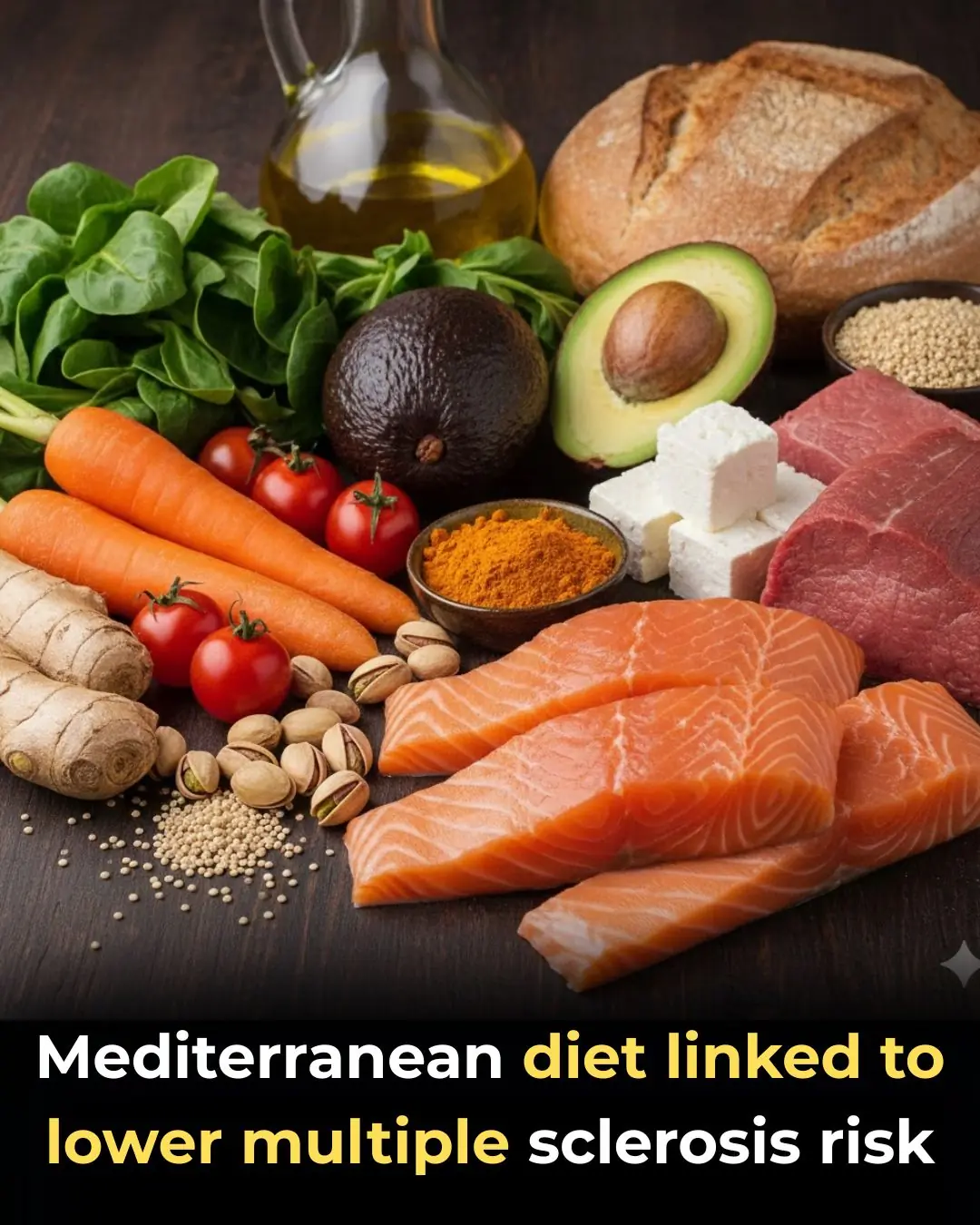
The Mediterranean diet is inspired by traditional eating patterns of countries bordering the Mediterranean Sea. It emphasizes:
Abundant fruits and vegetables
Whole grains and legumes
Nuts and seeds
Olive oil as the primary source of fat
Regular consumption of fish and seafood
Moderate intake of dairy and poultry
Limited consumption of red meat, processed foods, and added sugars
This dietary pattern is rich in antioxidants, fiber, and healthy fats, particularly omega-3 fatty acids, which are known to support cardiovascular and immune health.
Multiple sclerosis is a chronic autoimmune disease in which the immune system attacks the protective myelin sheath surrounding nerve fibers. While genetics play a role, environmental and lifestyle factors are increasingly recognized as important contributors.
Researchers believe the Mediterranean diet may help lower MS risk through several mechanisms:
Reducing chronic inflammation, a key driver of autoimmune diseases
Supporting gut microbiome balance, which influences immune regulation
Providing neuroprotective nutrients, including omega-3 fatty acids, polyphenols, and vitamins
Limiting pro-inflammatory foods commonly found in Western-style diets
Together, these effects may create a more balanced immune response and reduce the likelihood of autoimmune activation.
The stronger association seen in adults aged 45 or younger suggests that early and sustained dietary habits may be crucial in preventing immune-mediated diseases like MS. Additionally, smoking is a well-established risk factor for MS, and the findings indicate that diet alone may not fully counteract the harmful immune effects of tobacco exposure.
This reinforces the idea that diet works best as part of an overall healthy lifestyle, alongside avoiding smoking and maintaining regular physical activity.
While the study does not prove cause and effect, it provides compelling evidence that diet may be a modifiable risk factor for multiple sclerosis. Adopting a Mediterranean-style diet could be a practical, low-risk strategy to support long-term neurological health, especially for individuals at higher risk due to family history or other factors.
A Mediterranean diet—rich in plant-based foods, healthy fats, and lean protein—was associated with a significantly lower risk of multiple sclerosis, particularly in younger adults and nonsmokers. These findings add to the growing body of research suggesting that what we eat may influence not only heart health but also immune function and brain health over the long term.
As scientists continue to explore the link between nutrition and autoimmune disease, the Mediterranean diet stands out as a promising approach for supporting overall health and potentially reducing the risk of MS.