Bariatric Surgery or GLP-1 Receptor Agonists? Long-Term Effects on Fat Loss and Body Composition
Health 16/01/2026 18:00
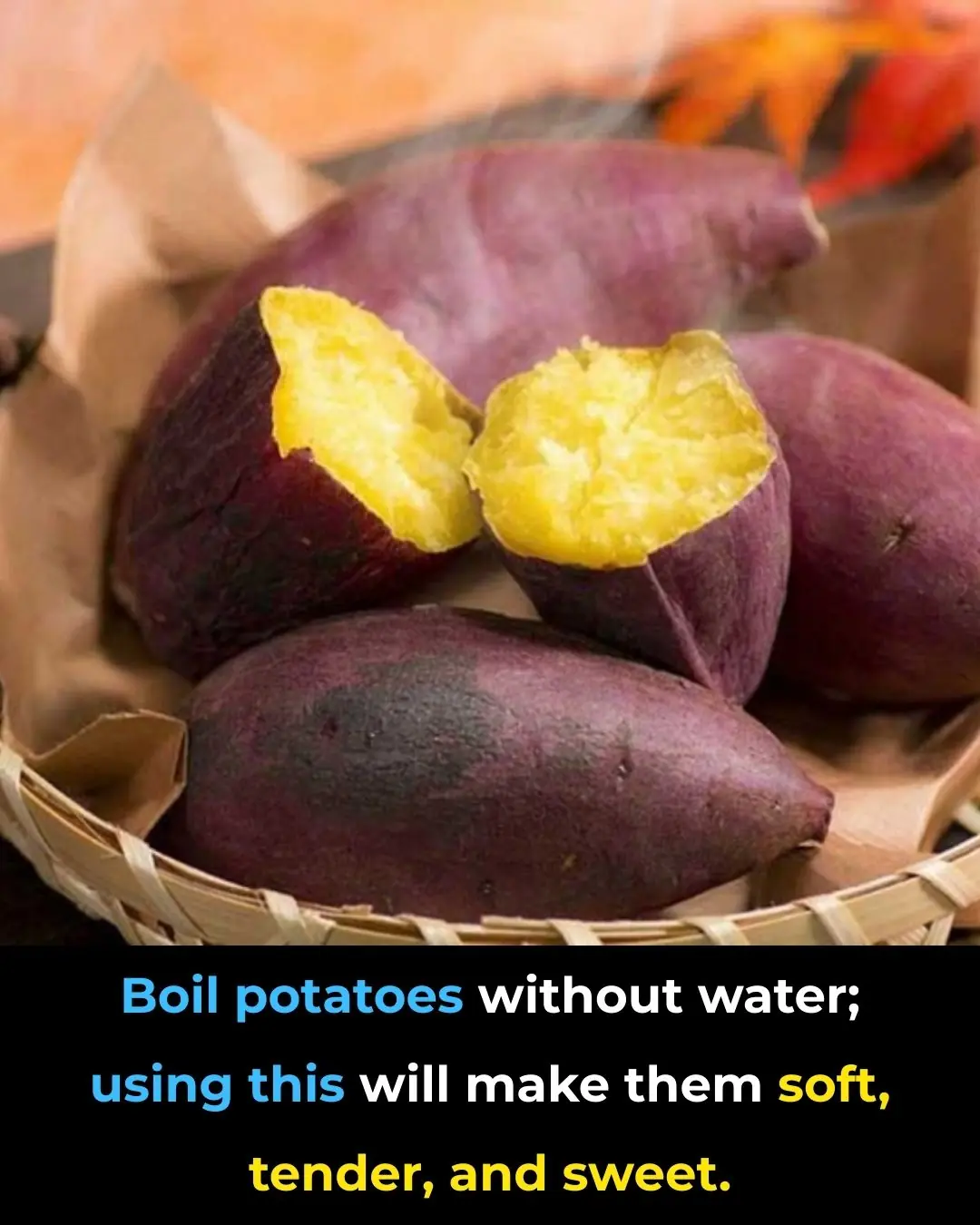
Boiling potatoes may seem easy, but not everyone gets them right. Many people end up with potatoes that are bland, watery, or unevenly cooked. In fact, to achieve potatoes that are fluffy inside, naturally sweet, and perfectly tender, you don’t actually need water.
All you need is one very familiar kitchen ingredient.
Coarse salt is the key to cooking potatoes using dry heat instead of water. When potatoes are cooked without direct contact with water, their natural starch and sugars are preserved rather than being washed away. As a result, the flesh becomes soft, fluffy, aromatic, and richer in flavor.
This method works especially well for sweet potatoes, taro, and yam.
Ingredients
Potatoes (sweet potatoes or taro, medium-sized)
Coarse salt (large-grain sea salt works best)
A thick-bottomed pot with a tight-fitting lid
Instructions
Wash the potatoes thoroughly and let them drain. If the potatoes are large, cut them in half for even cooking.
Spread a layer of coarse salt about 1–2 cm thick across the bottom of the pot.
Place the potatoes on top of the salt layer, making sure they do not touch the pot’s bottom directly.
Cover the pot tightly and cook over low to medium heat.
As the pot heats up, the salt retains heat and creates a dry steaming effect, allowing the potatoes to cook gradually from the inside.
Cook for 20–30 minutes, depending on the size and type of potatoes. Turn them once if needed for even cooking.
The potatoes are done when a chopstick slides through easily. The skin will be dry, and the inside will be soft and fluffy.
Boiling potatoes in water causes starch and natural sugars to dissolve into the water, which makes the potatoes less flavorful. Coarse salt, on the other hand, holds heat efficiently and creates a dry-steam environment.
This allows the potatoes to cook slowly without “water shock,” resulting in:
A fluffy, tender interior
A naturally sweet, concentrated flavor
A pleasant aroma
Dry skins that don’t split or become soggy
Always use low to medium heat, never high heat.
Choose a thick-bottomed pot to distribute heat evenly.
Do not add water during cooking.
After turning off the heat, let the potatoes sit covered for about 5 minutes to improve texture.
The salt can be cooled, sifted, and reused multiple times.
Salt-cooked potatoes have a clean, natural sweetness and a soft texture without being heavy. They are ideal for breakfast, afternoon snacks, or light meals for those on a healthy or weight-control diet. No sugar or seasoning is needed—the flavor stands on its own.
With just coarse salt, you can cook potatoes without water and achieve a texture that is fluffier, sweeter, and more aromatic than traditional boiling. A small change in technique can turn a familiar dish into something noticeably better and more satisfying.