Bariatric Surgery or GLP-1 Receptor Agonists? Long-Term Effects on Fat Loss and Body Composition
Health 16/01/2026 18:00
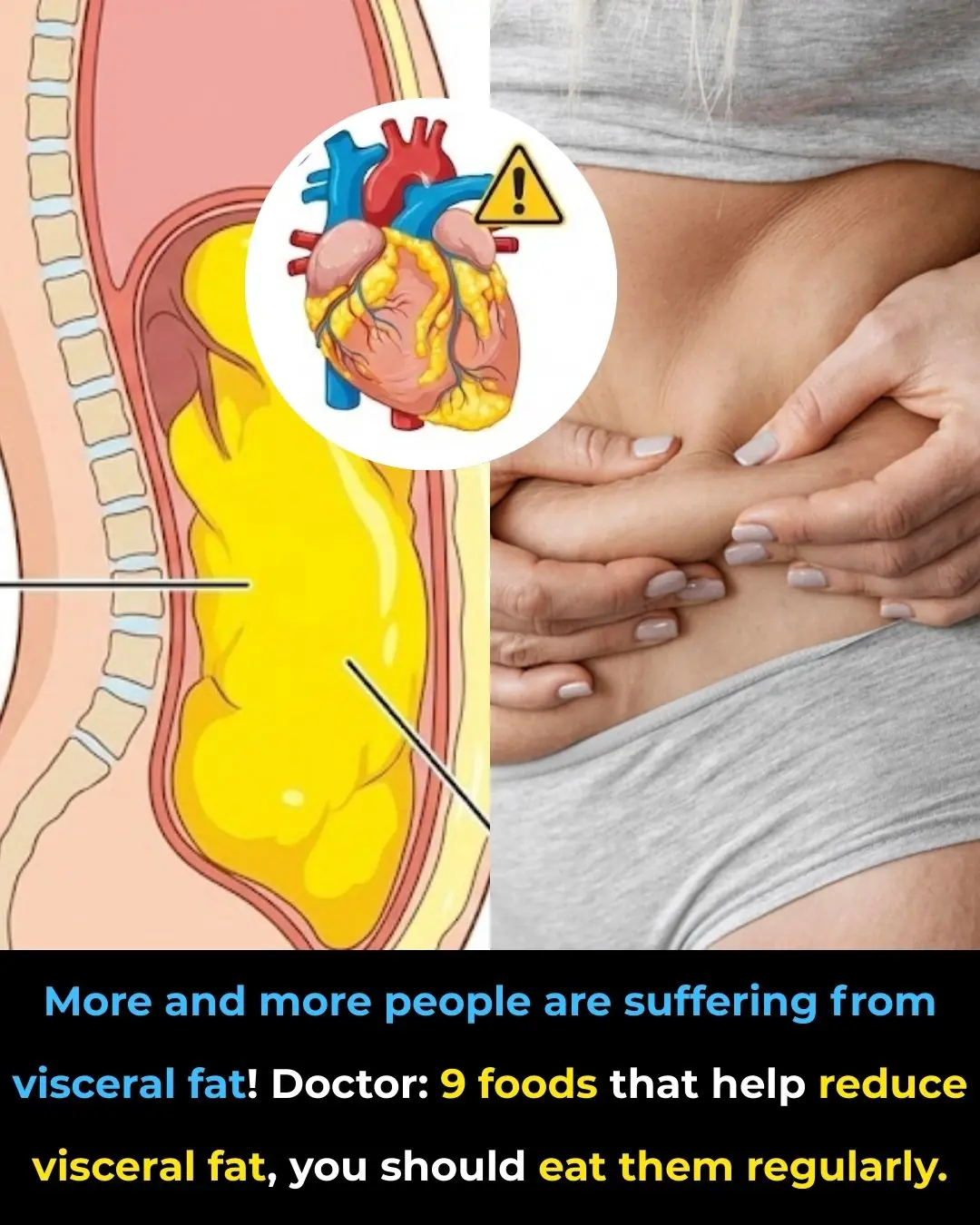
An increasing number of people are struggling with visceral fat. According to doctors, choosing the right foods can help increase satiety, control cravings, and support fat burning. For individuals with excess visceral fat, regularly including the following foods in daily meals may be beneficial.
Visceral fat is the type of fat that surrounds vital organs in the abdominal cavity. While it plays a role in protecting organs and maintaining body temperature, excessive visceral fat significantly raises the risk of serious health conditions such as heart disease, stroke, obesity, and type 2 diabetes. Health experts emphasize that a balanced diet rich in nutrient-dense foods can help limit fat accumulation.
Eggs are versatile and can be eaten at any meal of the day. They are low in calories but rich in high-quality protein and essential nutrients. Eggs help increase feelings of fullness, which may reduce overall calorie intake throughout the day.
Fruits are high in fiber and generally low in calories, making them helpful for weight management. A fiber-rich diet promotes prolonged satiety and helps curb sugar cravings. For better fat-burning results, overweight individuals should prioritize fruits with lower natural sugar content such as apples, guava, green mango, and grapefruit. High–glycemic index fruits like ripe mango, jackfruit, and durian should be consumed in moderation.
Peanuts help reduce hunger, stabilize blood sugar levels, and control appetite—key factors in preventing visceral fat buildup. They also contain heart-healthy fats. Lightly roasted peanuts can serve as a nutritious and convenient snack when eaten in moderation.
Fish is an excellent source of protein and essential fatty acids that support heart and brain health. Both protein and healthy fats play an important role in weight loss by promoting fullness. Fatty fish are rich in omega-3 fatty acids, which may aid fat metabolism and improve cardiovascular health. Fish also provides calcium, vitamins, and minerals that support overall health.
Green vegetables are high in fiber and very low in calories, helping maintain stable body weight. Cruciferous vegetables such as broccoli, cabbage, and leafy greens are especially beneficial due to their antioxidant content, which supports metabolic health.
Sweet potatoes support fat reduction thanks to their high fiber content, particularly cellulose fiber. This fiber absorbs water in the digestive tract, stimulates bowel movement, and helps eliminate excess fat, including visceral fat. Sweet potatoes contain both soluble and insoluble fiber, promoting digestive and heart health. Nutritional guidelines suggest men consume about 38 grams of fiber per day and women about 25 grams per day.
Fermented foods such as sauerkraut and kimchi contain beneficial bacteria that help reduce inflammation and improve insulin sensitivity. A healthier gut microbiome may support more efficient fat burning in the body.

Greek yogurt is rich in protein and probiotics. It helps balance gut bacteria, strengthen the immune system, and may reduce the accumulation of visceral fat when consumed regularly as part of a balanced diet.
Lean protein sources like chicken breast help promote fullness, support muscle health, and boost metabolism. Adults are generally encouraged to consume about 25–30 grams of protein per meal to support weight loss. Lean meats are low in fat and less likely to contribute to unwanted weight gain.
Reducing visceral fat requires long-term lifestyle changes, particularly healthy eating habits. Regularly incorporating nutrient-rich, high-fiber, and high-protein foods can help control appetite, improve metabolism, and lower the risk of chronic disease. Combined with physical activity and consistent routines, these dietary choices can make a meaningful difference in overall health.