Bariatric Surgery or GLP-1 Receptor Agonists? Long-Term Effects on Fat Loss and Body Composition
Health 16/01/2026 18:00
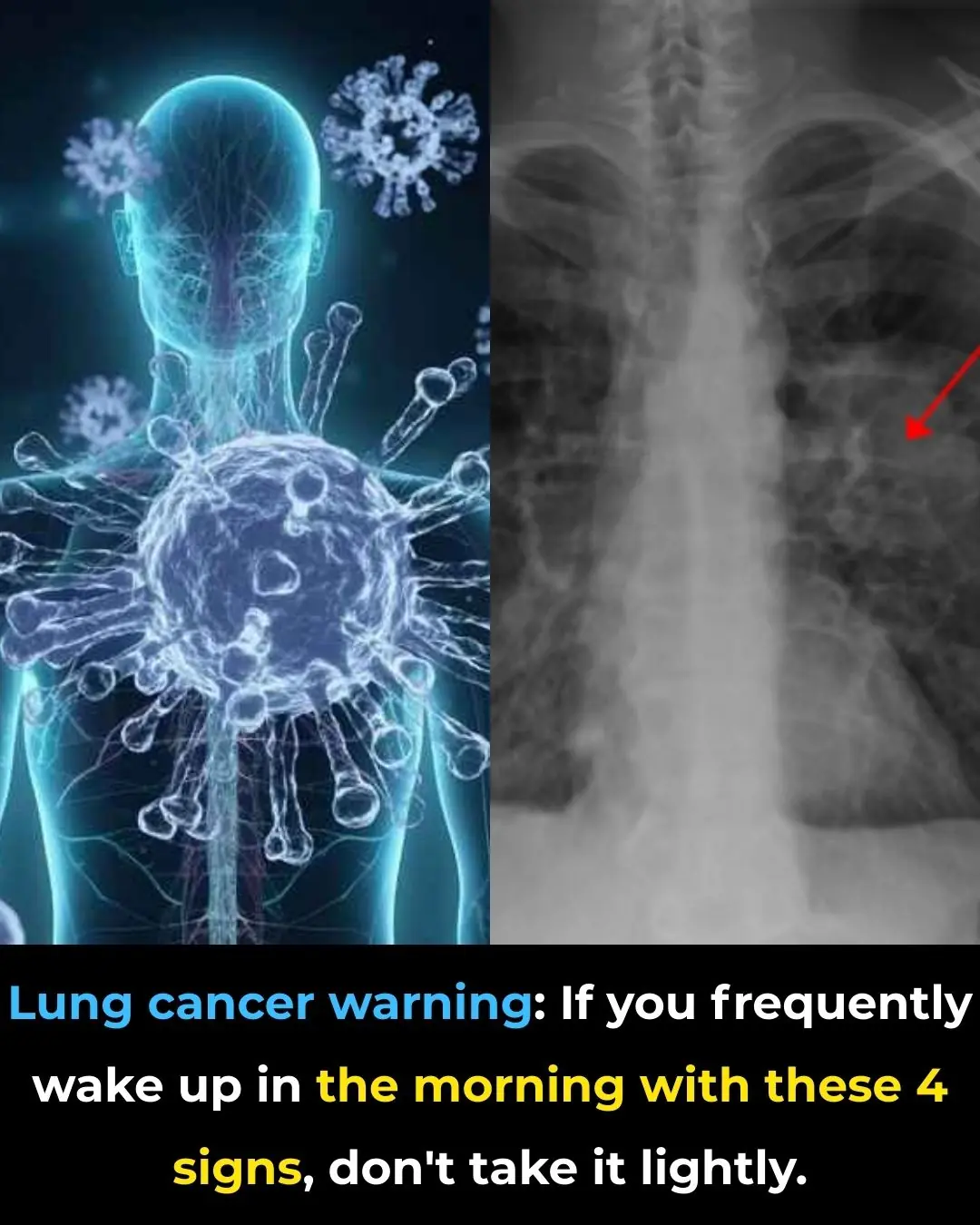
Morning is the time when many hidden health problems become most noticeable. In the case of lung cancer, some early warning signs may appear shortly after waking up. If you frequently experience the four symptoms below, it is important to seek medical evaluation early to avoid missing a critical window for treatment.
Many people assume morning shortness of breath or hoarseness is caused by cold weather or grogginess after sleep. However, if this sensation occurs repeatedly day after day and is accompanied by persistent fatigue despite adequate rest, it may be a cause for concern.
People with lung-related problems often describe a sensation of invisible pressure tightening around the throat or chest, making breathing feel less smooth. After a long night, the airways are drier and cooler, and abnormal growths in the lungs may obstruct airflow more noticeably. When moving from lying down to sitting or standing, breathing difficulty may become more pronounced, sometimes accompanied by persistent hoarseness.
Notably, this feeling of oxygen deprivation does not fully disappear with rest. It may only ease slightly before returning the next morning, leaving the body feeling sluggish, with mild chest tightness and lightheadedness—as if sleep was never truly restorative.
Early morning is often when lung-related abnormalities become more evident after prolonged overnight rest.
Chest pain or tightness is commonly associated with heart disease, but lung cancer can cause a distinctly different sensation. In the early stages, the discomfort is usually not sharp or severe. Instead, it feels like a dull, lingering pressure in the chest that is difficult to describe.
The lungs are located in the chest cavity, which contains many nerve endings. When abnormal lesions develop, deep breathing, coughing, or physical movement can intensify the discomfort. In the morning—when the lungs begin working more actively after hours of rest—this chest tightness may become more noticeable.
A key warning sign is that the pain is not linked to heavy physical activity or emotional stress, yet it feels deeper and more uncomfortable when breathing deeply or coughing. Many people dismiss it as muscle soreness or weather-related discomfort, unintentionally overlooking an important early signal.
In some cases, lung cancer is discovered only after patients seek medical care for persistent shoulder or arm pain without any history of injury. This pain is often more noticeable in the morning, when the shoulders and arms start moving after remaining still overnight.
The reason is anatomical: the lungs—especially the upper portion—are located close to the shoulder and arm nerves. When abnormal growths appear, surrounding tissues and nerves may become compressed, causing pain that radiates to the shoulder or inner arm. This pain tends to be deep, dull, and persistent, unlike typical muscle or joint pain, and does not improve with rest or massage.
If shoulder or arm pain lasts for an extended period, affects only one side, and is accompanied by fatigue or breathing difficulty, it may be the body’s way of signaling a deeper problem.
Coughing in the early morning is common, as the airways clear mucus after sleep. However, coughing associated with lung cancer feels different: it may cause chest tightness, come in persistent fits, and be accompanied by a sensation of breathlessness or choking.
Patients may experience a dry cough that lingers or produce small amounts of thick, white sputum. In more concerning cases, sputum may contain streaks of blood, or coughing up blood may occur as the disease progresses. These coughing episodes often worsen with sudden changes in temperature or posture—situations that frequently happen in the early morning, especially during colder seasons.
Unlike coughs caused by colds or flu, this type does not improve with common medications and tends to persist or gradually worsen over time.
Lung cancer does not always present dramatic symptoms in its early stages. Sometimes, subtle changes that repeat each morning are the most important clues. Shortness of breath, chest tightness, unexplained shoulder or arm pain, and persistent abnormal coughing do not automatically mean cancer—but paying attention to these signs and seeking timely medical evaluation can make a significant difference.
If your body continues to send these warning signals, do not delay or reassure yourself with assumptions. Proactive medical checkups are one of the most effective ways to protect your lungs—and your future health.