People with heart problems should avoid these 4 things to reduce stimulation to the heart
Health 06/12/2025 10:42
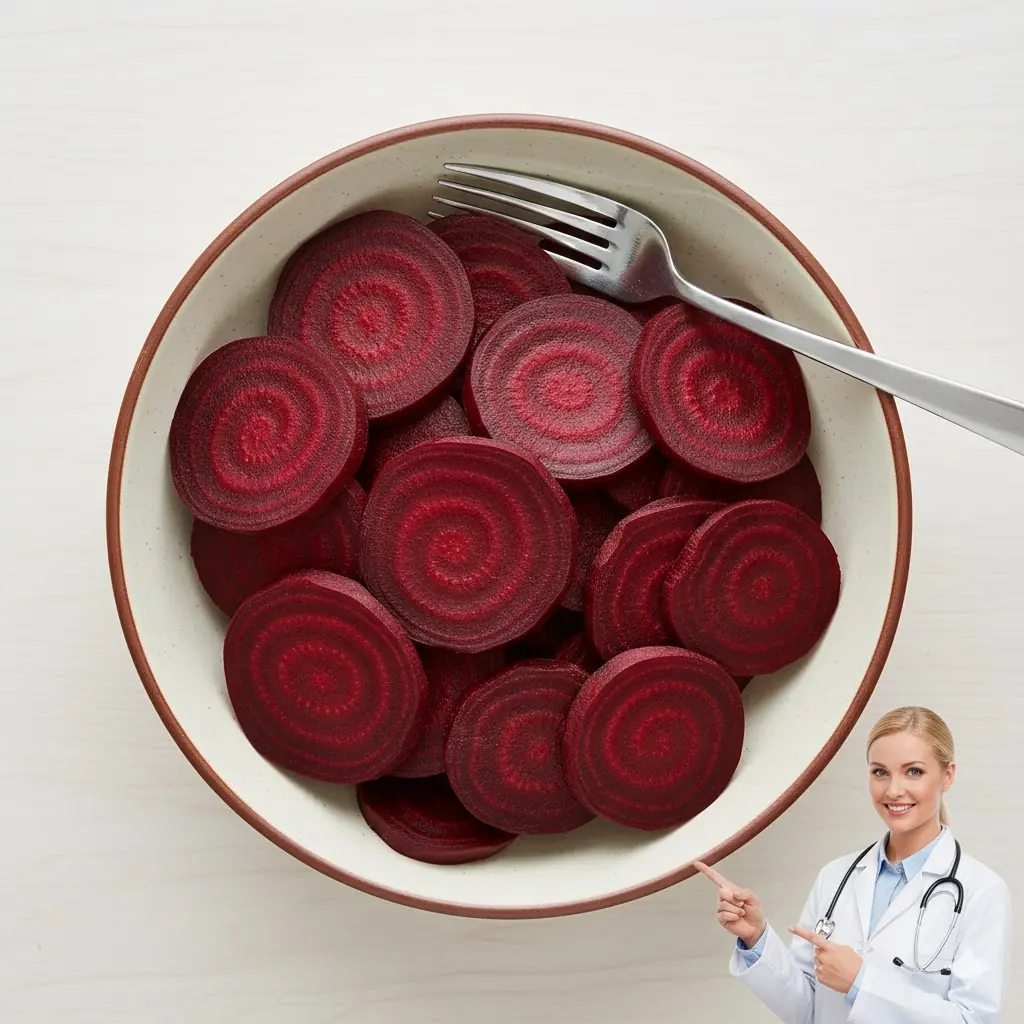
Beets are widely praised for their impressive nutritional profile. They’re rich in vitamins, minerals, antioxidants, and natural nitrates that support overall well-being. However, like any food, beets can cause unwanted side effects when consumed in large quantities or when certain health conditions are present.
Below are the most common concerns — and the science behind them.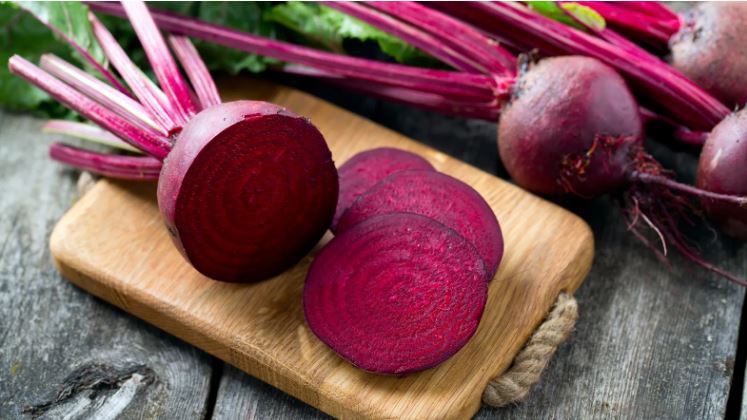
Beets naturally contain high levels of oxalates, compounds that can bind with calcium in the kidneys and form calcium oxalate stones.
Why this happens:
Oxalates are found in many plant foods. If the body cannot eliminate them efficiently, they may crystallize in the kidneys, increasing the likelihood of stone formation. Eating beets regularly in large amounts can contribute to this buildup.
Who should be cautious:
Individuals with a history of kidney stones
People following a low-oxalate diet
Anyone with chronic kidney disease
Beets are rich in nitrates, which convert into nitric oxide — a compound that widens blood vessels and improves circulation.
Why this can be harmful:
While this effect can benefit heart health, it may also cause blood pressure to fall lower than normal, especially in people who:
Already have low blood pressure
Take medications for hypertension
Are sensitive to nitrate-rich foods
In extreme cases, dizziness or fainting may occur if too much beet juice is consumed.
Although beets are considered healthy, they contain natural sugars and have a moderate to high glycemic load.
Why this matters:
Eating large portions — especially in the form of beet juice or roasted beets — can raise blood sugar levels quickly. This is especially important for people with:
Diabetes
Prediabetes
Insulin resistance
Portion control is recommended to keep blood glucose balanced.
Many people experience bright red or pink urine after eating beets, a harmless effect known as beeturia.
Why this happens:
Beets contain natural pigments called betalains. When these pigments pass through the digestive tract without fully breaking down, they can color urine or stool.
This is not dangerous, but it can be mistaken for blood, causing unnecessary worry.
Beets are high in FODMAPs, a type of fermentable carbohydrate.
Why this can cause symptoms:
For individuals with IBS (Irritable Bowel Syndrome) or sensitive digestion, FODMAPs can lead to:
Gas
Bloating
Stomach cramps
Loose stools
Raw beets in particular can be tougher to digest than cooked ones.
Because beets influence blood pressure and blood vessel dilation, they may interact with medications such as:
Blood pressure drugs
Erectile dysfunction medications (e.g., sildenafil)
Nitrate-based heart medications
Why interactions occur:
All of these medications also affect blood flow and blood pressure. When combined with nitrate-rich foods like beets, they may cause an excessive drop in blood pressure, leading to lightheadedness or weakness.
Beets can absorb nitrates and heavy metals from soil — especially when grown in polluted or low-quality environments.
Why this matters:
Long-term consumption of contaminated beets could increase exposure to harmful substances. However, this is very rare due to modern agricultural regulations and safety testing in most countries.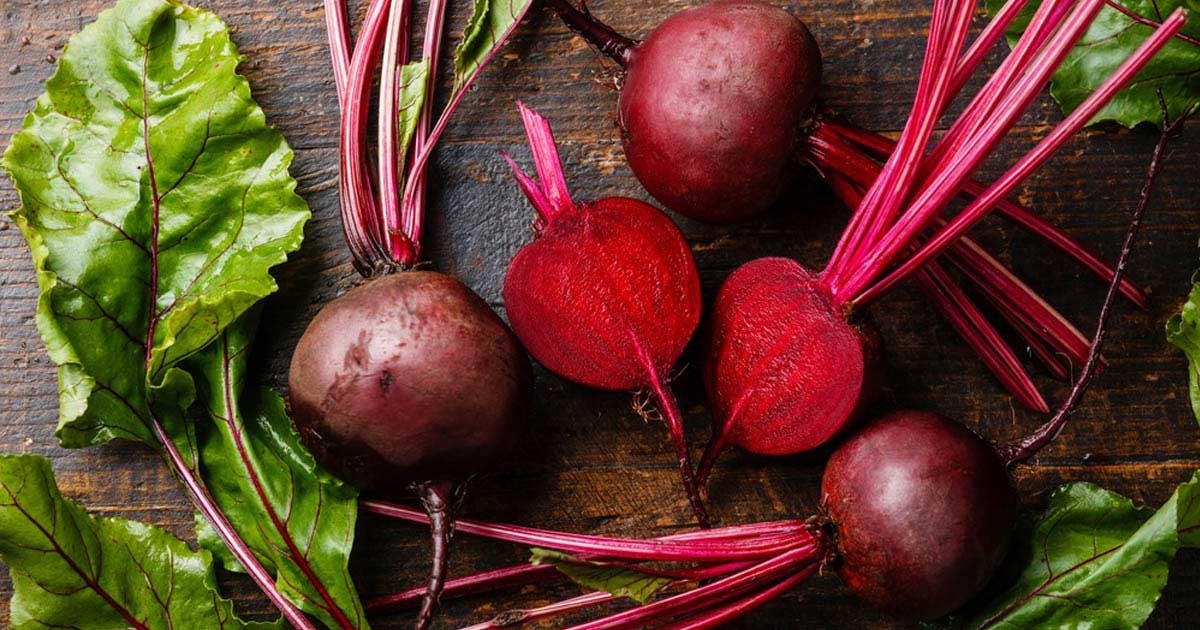
Absolutely not. For most individuals, beets are a highly nutritious addition to the diet. They are packed with:
Fiber
Folate
Potassium
Antioxidants
Heart-healthy nitrates
Beets support cardiovascular health, digestion, and detoxification. The key is moderation — particularly for people with kidney issues, low blood pressure, or blood sugar concerns.