Foods to Eat if You Need to Poop – The Best Natural Laxatives to Relieve Constipation
Health 10/01/2026 22:57

Many people tend to underestimate common inflammatory diseases, unaware that some of them can become precursors to cancer if not treated properly. Doctors warn that delaying treatment for the following four types of chronic inflammation significantly increases the risk of serious complications, including cancer.

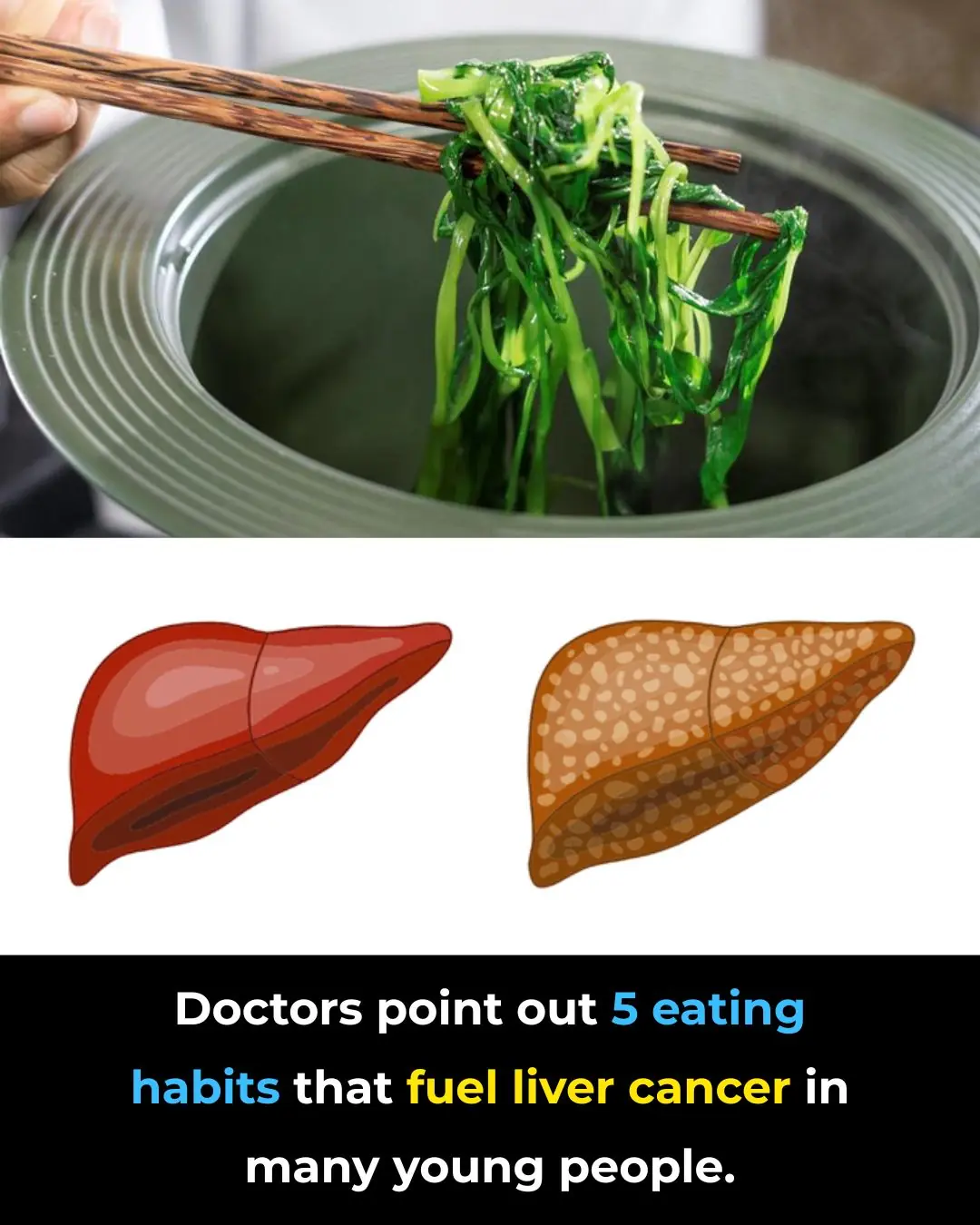
Chronic hepatitis B occurs when hepatitis B virus infection lasts for more than six months, causing ongoing liver damage. This damage can range from inflammation and cell death to fibrosis and cirrhosis.
What is particularly concerning is that many patients become complacent, believing they are merely “carriers” of the virus and therefore neglect regular medical follow-ups. This lack of monitoring allows the disease to progress silently, potentially leading to liver cirrhosis and liver cancer. For this reason, people with chronic hepatitis B are strongly advised to undergo regular health check-ups to detect abnormalities early and intervene in a timely manner.
During endoscopic examinations, doctors commonly identify two main types of chronic gastritis: chronic superficial gastritis and chronic atrophic gastritis. Among these, chronic atrophic gastritis is considered the most dangerous.
This condition is characterized by the gradual thinning and loss of the stomach lining and gastric glands, leading to a significant decline in digestive function. If left untreated over a long period, chronic atrophic gastritis can progress into gastric cancer.
Pancreatitis exists in two forms: acute and chronic. While acute pancreatitis often responds well to treatment, chronic pancreatitis develops slowly, persists over time, and is much more difficult to cure completely.
Prolonged inflammation can cause pancreatic cells to undergo malignant changes, increasing the risk of pancreatic cancer. Pancreatic cancer is known for its aggressive nature, high likelihood of metastasis, and very low survival rate after diagnosis, making early detection and management of chronic pancreatitis especially important.
Ulcerative colitis is a chronic inflammatory bowel disease marked by persistent inflammation of the colon lining. Common symptoms include abdominal pain, diarrhea, bloody stools, fever, and weight loss, all of which can severely affect quality of life.
Treatment usually involves medication, including hormone-based therapies, to control inflammation. However, long-term use of such medications may cause undesirable side effects. More importantly, if ulcerative colitis is not well controlled, the risk of developing colorectal cancer increases dramatically. Studies show that patients with ulcerative colitis are 20 to 30 times more likely to develop colorectal cancer than the general population.
Chronic inflammation should never be taken lightly. Early diagnosis, consistent treatment, and regular medical monitoring are crucial in preventing inflammation-related cancers and protecting long-term health.