Sepsis Can Kill: 5 Critical Warning Signs You Must Recognize Before It’s Too Late
Garden Healthy 11/01/2026 21:38
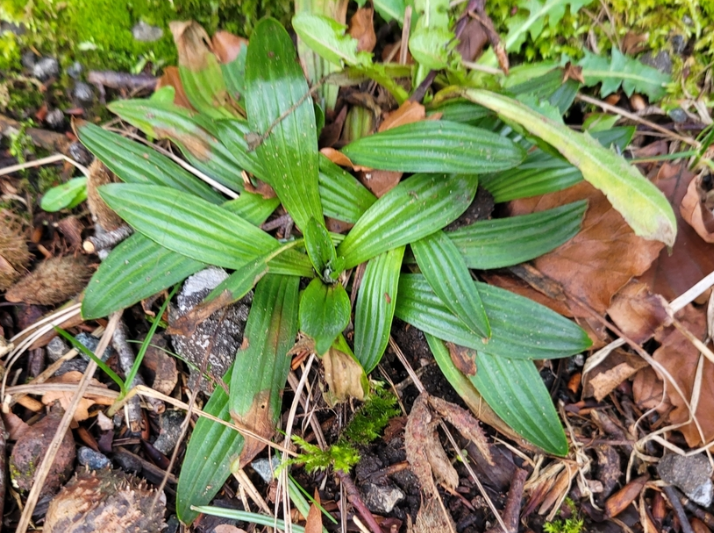
Plantago lanceolata, commonly known as ribwort plantain, narrowleaf plantain, or English plantain, is a hardy wild herb that grows abundantly in meadows, grasslands, fields, and along roadsides throughout many regions of the world. Although it is often dismissed as a simple weed, this resilient plant has a long history of use in traditional medicine. Thanks to its rich concentration of bioactive compounds—including flavonoids, tannins, iridoid glycosides, and soothing mucilage—Plantago lanceolata has earned recognition as a valuable natural remedy for a wide range of health concerns. In modern herbal medicine, it continues to be appreciated for its versatility, accessibility, and therapeutic potential.
1. Supports Respiratory Health
Plantago lanceolata is particularly well known for its ability to soothe and protect the respiratory system. Its high mucilage content helps coat irritated mucous membranes, easing discomfort and reducing inflammation in the throat and airways. This makes it especially effective for relieving coughs, bronchitis, hoarseness, sore throats, and mild asthma symptoms. Herbal teas, syrups, and lozenges made from ribwort plantain leaves are widely used to calm persistent coughs and improve breathing comfort.
2. Promotes Wound Healing and Skin Care
For centuries, fresh ribwort plantain leaves have been applied directly to the skin as a natural poultice. When crushed and placed on cuts, insect bites, burns, stings, or minor wounds, the leaves help reduce pain, swelling, and redness. The plant’s antimicrobial and anti-inflammatory properties support faster healing while lowering the risk of infection. It is also commonly used to soothe skin rashes, eczema, and mild allergic reactions.
3. Provides Anti-Inflammatory Relief
Plantago lanceolata contains iridoid glycosides, particularly aucubin, which are known for their strong anti-inflammatory effects. These compounds can help reduce inflammation in both internal and external conditions. As a result, the herb may be beneficial for managing joint pain, arthritis, muscle soreness, and inflammatory skin issues when consumed as a tea or applied topically in creams and ointments.
4. Aids Digestive Health
The combination of mucilage and tannins makes Plantago lanceolata gentle yet effective for digestive support. It helps protect the lining of the stomach and intestines, easing irritation and inflammation. Traditionally, it has been used to relieve gastritis, diarrhea, mild ulcers, and symptoms of irritable bowel discomfort. Its soothing action can also help regulate digestion and improve overall gut comfort.
5. Boosts Immunity and Fights Microbes
Scientific studies suggest that Plantago lanceolata possesses antibacterial, antiviral, and antioxidant properties. These qualities make it a supportive herbal remedy during colds, flu, and seasonal infections. By helping the body combat pathogens and reduce oxidative stress, ribwort plantain may contribute to a stronger immune response and faster recovery.
Herbal Tea – Dried or fresh leaves are brewed into a mild tea to relieve coughs, sore throats, and digestive discomfort.
Syrups and Liquid Extracts – Frequently included in natural cough syrups for both children and adults.
Poultices – Fresh, crushed leaves are applied directly to insect stings, wounds, bruises, or irritated skin.
Salves and Ointments – Infused into oils and balms for healing, soothing, and protecting the skin.
Culinary and Dietary Use – Young leaves can be eaten raw in salads or cooked in soups and stews, providing fiber, vitamins, and essential minerals.
Plantago lanceolata is generally considered safe when used in moderation. However, individuals with known allergies to plants in the Plantaginaceae family should avoid its use. Pregnant or breastfeeding women, as well as people with chronic health conditions, should consult a healthcare professional before using it for medicinal purposes.
Plantago lanceolata is far more than a roadside weed—it is a powerful medicinal herb with a long-standing reputation in traditional and modern herbal medicine. From soothing respiratory and digestive issues to accelerating wound healing and reducing inflammation, its benefits are both time-tested and increasingly supported by scientific research. By incorporating Plantago lanceolata into herbal teas, syrups, or natural skin remedies, you can harness one of nature’s most accessible and effective healing plants.