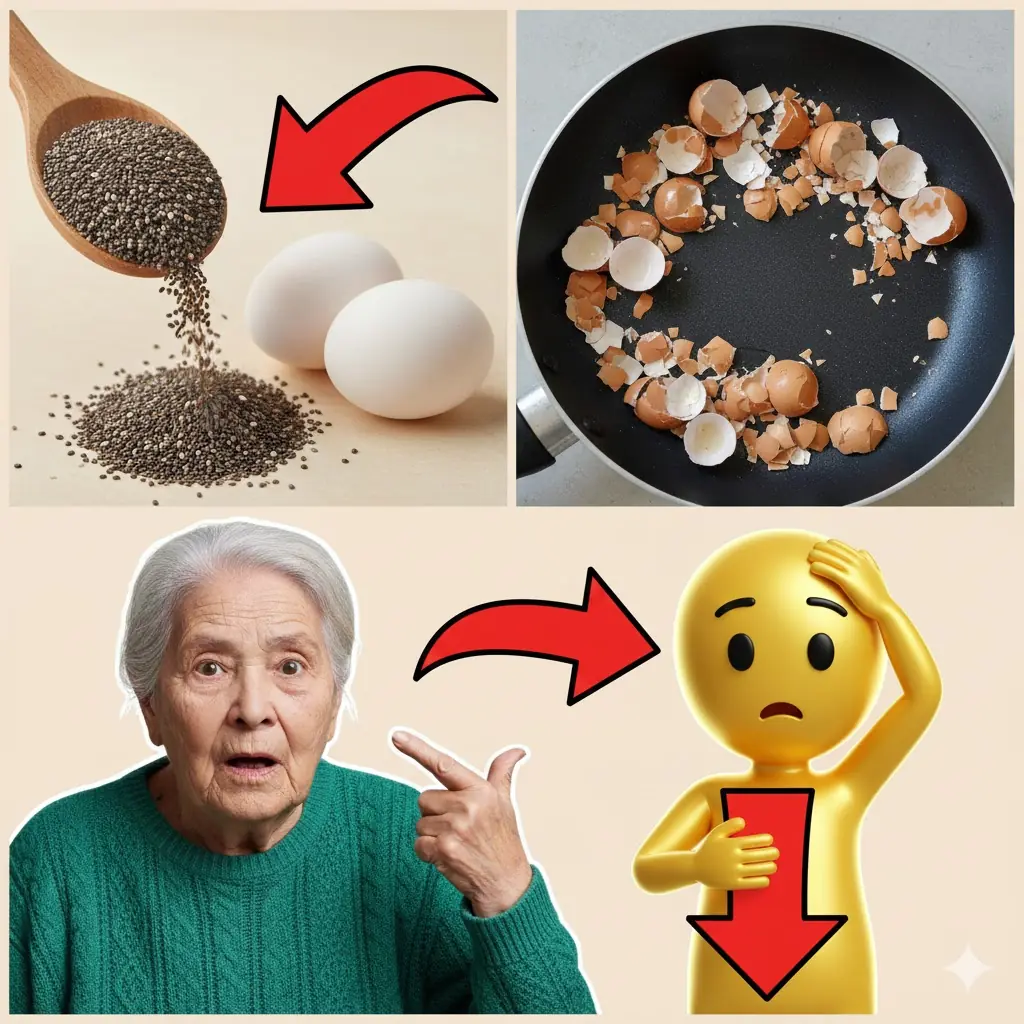
Chia Seeds and Eggshell Calcium: A Natural Combination to Support Bone Health in Older Adults
Garden Healthy 11/01/2026 21:13
Sepsis is a life-threatening medical emergency that occurs when the body has an extreme and uncontrolled response to an infection. Instead of fighting the infection, the immune system begins to damage its own tissues and organs. According to global health data, sepsis claims one life every few seconds worldwide, making early recognition and rapid treatment absolutely critical.
Despite its severity, sepsis is often misunderstood or mistaken for less serious conditions, which can delay lifesaving care. Knowing the early warning signs can mean the difference between recovery and fatal complications.
Sepsis develops when an infection—such as pneumonia, a urinary tract infection, a skin wound, or a gastrointestinal infection—spreads into the bloodstream and triggers widespread inflammation. This can lead to organ failure, septic shock, and death if not treated immediately with antibiotics and supportive medical care.
A very high fever is a common sign of infection, but in sepsis, some patients—especially older adults—may develop an unusually low body temperature, which is often overlooked and extremely dangerous.
Sepsis forces the body to work harder to deliver oxygen to vital organs. A fast heart rate, rapid breathing, or shortness of breath may indicate the body is under severe stress.
Sudden confusion, disorientation, extreme drowsiness, or difficulty staying awake can signal that the brain is not receiving enough oxygen or blood flow due to sepsis.
Many patients describe sepsis pain as overwhelming or “the worst they’ve ever felt.” This may include intense muscle pain, abdominal pain, or profound weakness that appears suddenly.
This includes infected wounds that appear red, swollen, oozing, or turning dark, as well as pale, mottled, or cold skin. Reduced urine output and persistent diarrhea or vomiting may also be present.
Sepsis progresses rapidly. Each hour of delay in treatment significantly increases the risk of death. Early administration of antibiotics and intravenous fluids can dramatically improve survival rates. Anyone suspected of having sepsis should be taken to emergency medical care immediately.
Older adults
Infants and young children
People with weakened immune systems
Patients with chronic illnesses (diabetes, kidney disease, cancer)
Individuals recovering from surgery or severe injuries
Preventing infections through proper wound care, vaccinations, and timely treatment of illnesses is key. Just as important is public awareness—recognizing sepsis early saves lives.
Sepsis is silent, fast-moving, and deadly—but it is also treatable when caught early. Knowing the warning signs and acting without delay can save your life or the life of someone you love. Never ignore sudden, severe symptoms following an infection.