Foods to Eat if You Need to Poop – The Best Natural Laxatives to Relieve Constipation
Health 10/01/2026 22:57
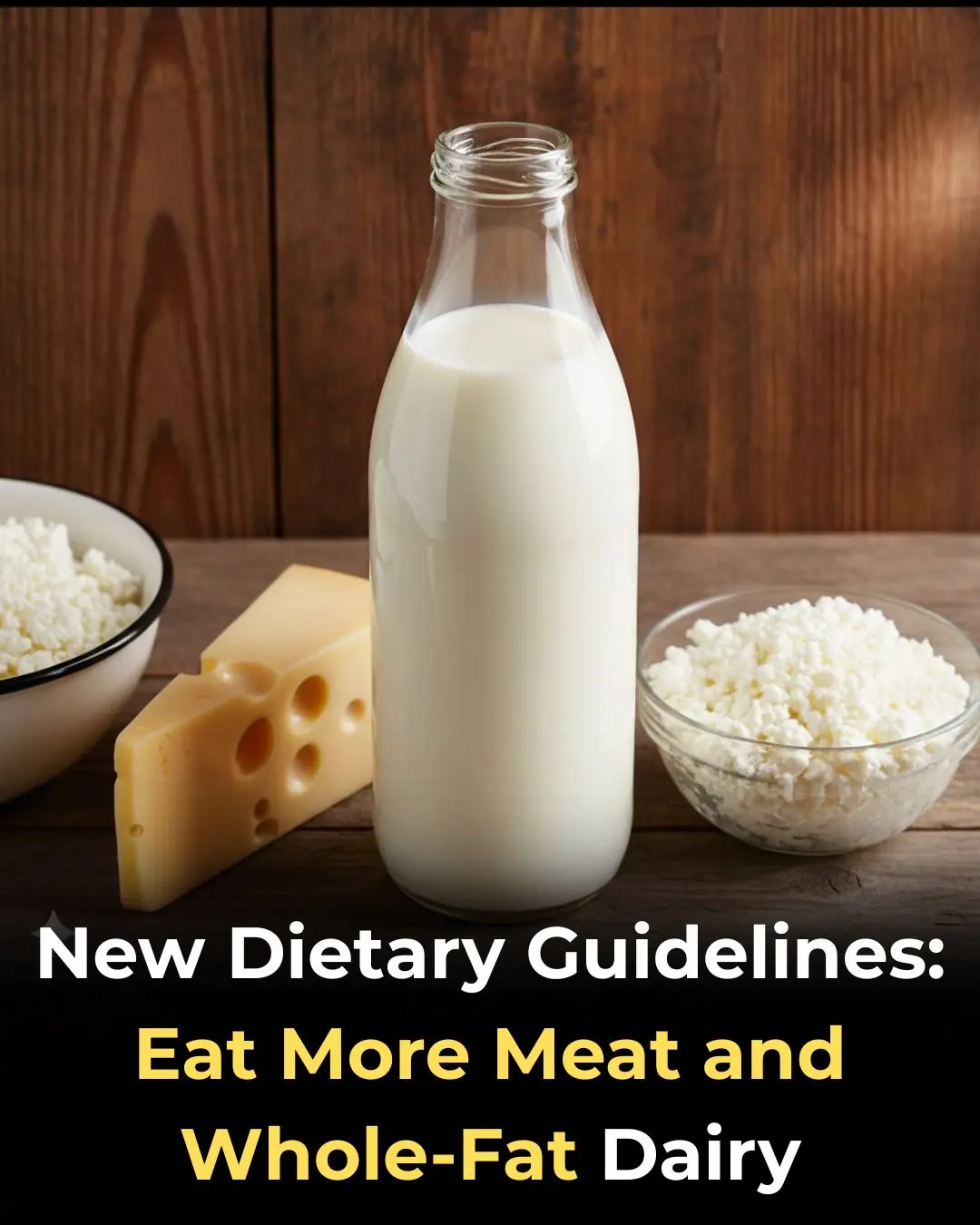
The federal government is signaling a major shift in national nutrition advice with the release of the 2025–2030 Dietary Guidelines for Americans, encouraging people to eat more protein-rich foods—particularly meat and whole-fat dairy products—and to prioritize what officials describe as “real food.”
Unveiled at a White House press briefing on January 7, the new guidelines introduce an “upside-down” food pyramid, placing protein sources, vegetables, fruits, and whole-fat dairy at the top. This marks a notable departure from decades of guidance that emphasized low-fat dairy, limited red meat, and strict reductions in saturated fat.
One of the most striking changes is the dramatic reduction in length. The new guidelines span just 10 pages, compared with 164 pages in the previous edition. Federal officials say the streamlined format is designed to make dietary advice easier to understand and more practical for everyday Americans.
“The goal is clarity,” officials said at the briefing. “We want people to focus on foods that are minimally processed, nutrient-dense, and naturally satisfying.”
At the top of the new food pyramid are high-quality protein sources, including meat, poultry, eggs, and dairy products—particularly whole-fat dairy such as milk, cheese, and yogurt. The guidelines highlight protein’s role in maintaining muscle mass, supporting metabolic health, and promoting satiety.
This emphasis reflects growing scientific debate over the long-standing advice to avoid saturated fat. While the new guidelines stop short of endorsing unlimited consumption, they acknowledge that moderate intake of saturated fats, especially when consumed as part of whole foods, may not be as harmful as previously believed.
Alongside meat and dairy, vegetables and fruits also occupy a prominent position in the revised pyramid. The guidelines strongly encourage diets built around whole, unprocessed foods, discouraging excessive reliance on ultra-processed products high in refined carbohydrates, added sugars, and artificial ingredients.
The phrase “real food” appears repeatedly throughout the document, signaling a broader shift away from calorie-focused messaging toward food quality and nutrient density.
For decades, federal nutrition advice prioritized low-fat diets in an effort to reduce cardiovascular disease. However, critics argue that this approach unintentionally promoted high-carbohydrate, highly processed foods, contributing to rising rates of obesity and metabolic disorders.
The new guidelines reflect a growing consensus that dietary patterns matter more than single nutrients, and that whole foods—whether they contain fat or not—can be part of a healthy diet.
The updated recommendations are likely to spark debate among nutrition experts, advocacy groups, and the food industry. Supporters applaud the move toward simplicity and whole foods, while critics warn that increased meat consumption could raise environmental and health concerns if not carefully balanced.
Federal officials emphasize that the guidelines are flexible, encouraging Americans to adapt them to cultural preferences, budget constraints, and individual health needs.
As the 2025–2030 Dietary Guidelines begin to influence school lunch programs, federal nutrition assistance, and public health messaging, they represent a significant recalibration of how Americans are advised to eat.
Whether the emphasis on protein, whole-fat dairy, and “real food” will improve long-term health outcomes remains to be seen, but one thing is clear: the government’s approach to nutrition is undergoing a fundamental change.