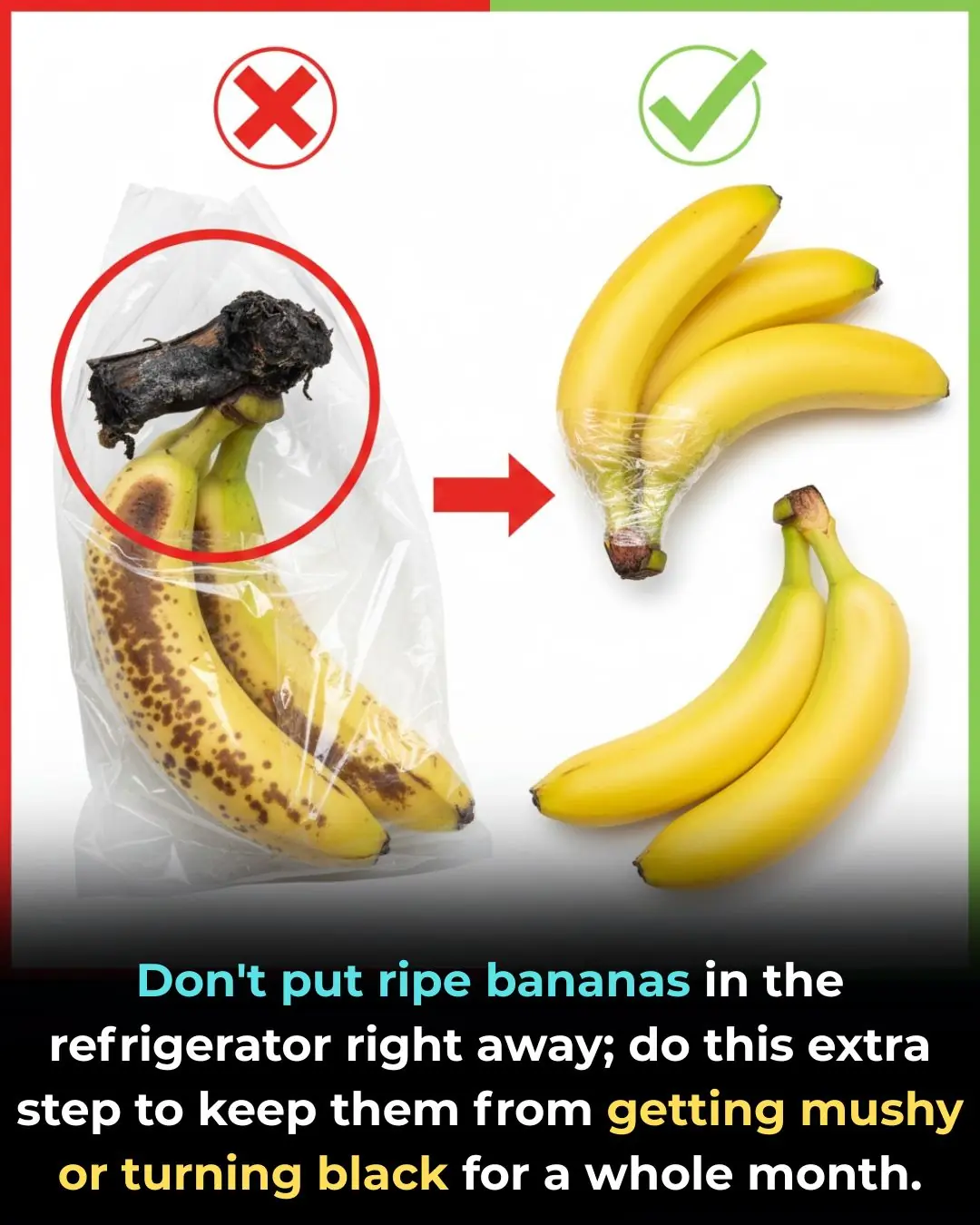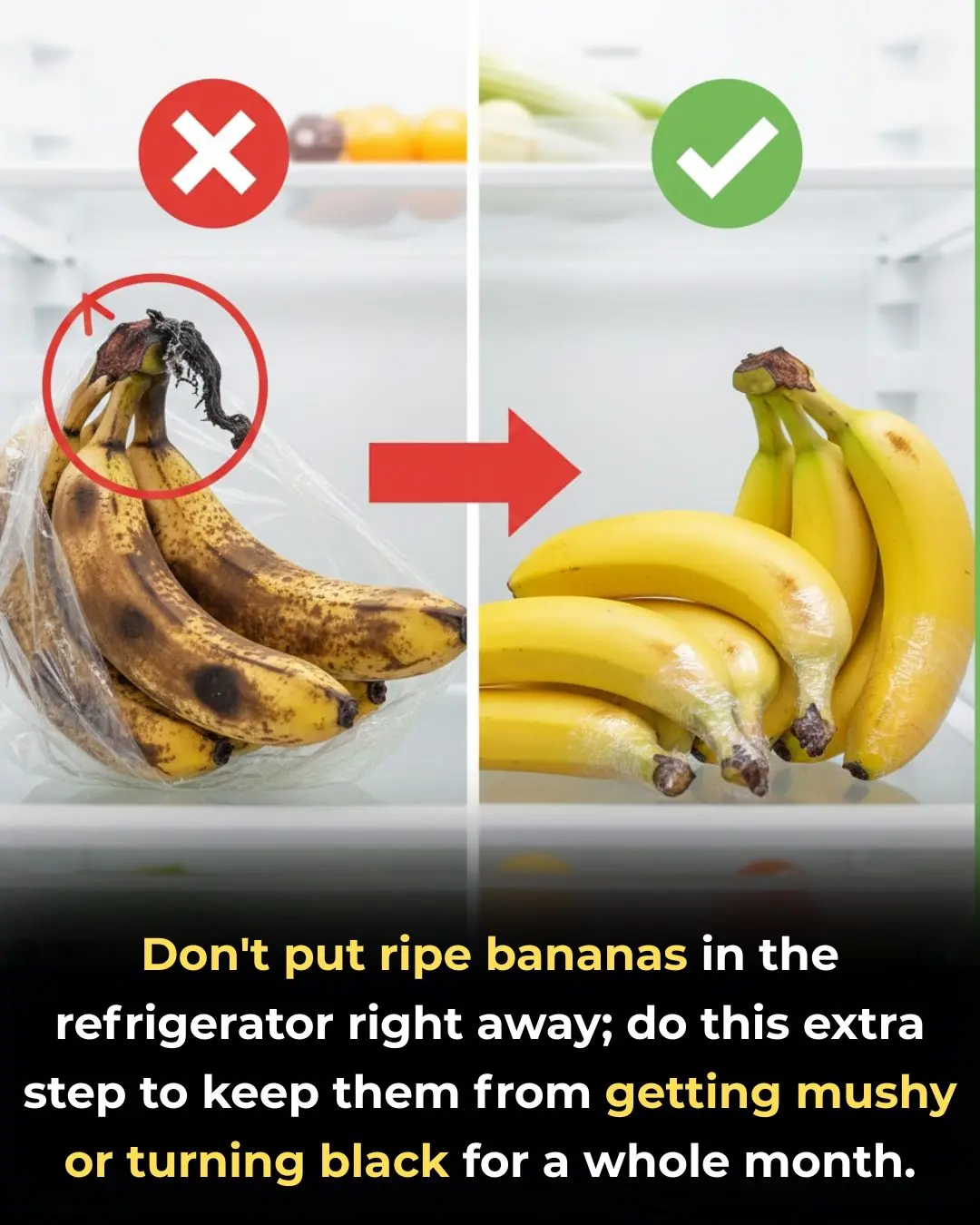
Don’t Put Ripe Bananas in the Refrigerator Right Away—Do This First to Keep Them Fresh Longer
Tips 11/01/2026 20:13

Boiled shrimp is a simple, easy-to-make dish that frequently appears in everyday family meals. Thanks to its naturally sweet flavor and impressive nutritional value, this dish is loved by people of all ages and is especially popular among those who prefer light, wholesome food.
Shrimp is an excellent source of high-quality protein while being low in fat and relatively low in cholesterol, making it an ideal choice for a healthy diet. In addition, shrimp is rich in essential vitamins such as B12, D, and E, along with important minerals including zinc, magnesium, and phosphorus. Compared to other cooking methods like frying or grilling, boiling helps preserve the shrimp’s natural sweetness, tenderness, and freshness. This makes boiled shrimp particularly suitable for children in their growth stage, older adults, and anyone following a balanced or weight-conscious diet.
However, achieving perfectly boiled shrimp that is tender, flavorful, and free from any fishy odor is not as simple as it seems. Many people make the mistake of adding shrimp directly to boiling water, which often results in shrimp that is tough, dry, and still slightly smelly. These issues usually stem from overlooking small but crucial details during preparation and cooking.
Below are some essential tips to help you boil shrimp the right way and achieve restaurant-quality results at home.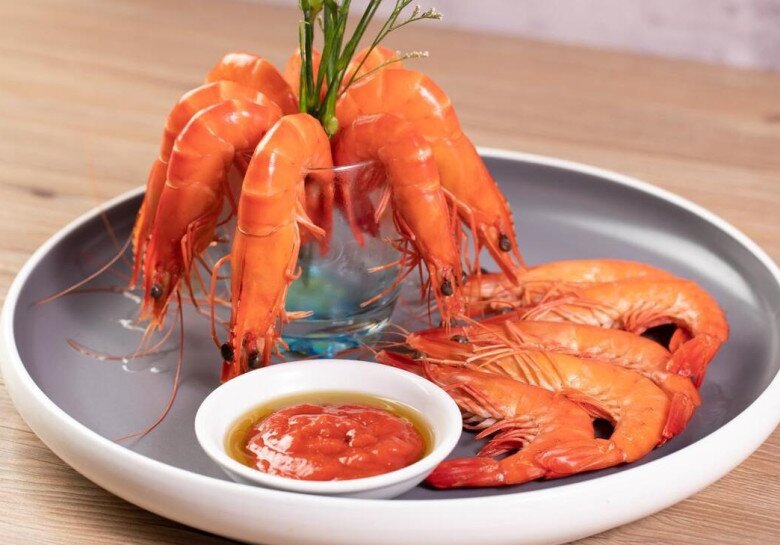
For fresh live shrimp:
After purchasing, place the shrimp in the freezer for about 30 minutes. This allows the shrimp to enter a “hibernation” state, preventing them from jumping around and making them much easier to clean and prepare.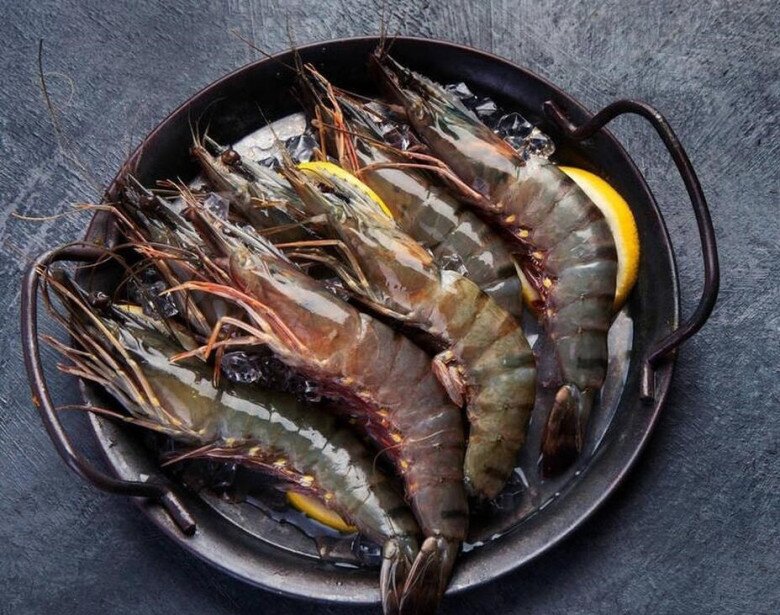
For frozen shrimp:
When buying frozen shrimp, pay close attention to the following details:
The shell should cling tightly to the flesh. Gaps indicate the shrimp has been frozen for too long.
Smell the shrimp carefully; if there is an unusual or unpleasant odor, avoid purchasing it.
Shrimp that is extremely stiff and unnaturally straight often means it was dead for a long time before freezing.
Avoid shrimp with an excessively thick layer of ice, as this leads to significant weight loss after thawing and often signals poor quality.
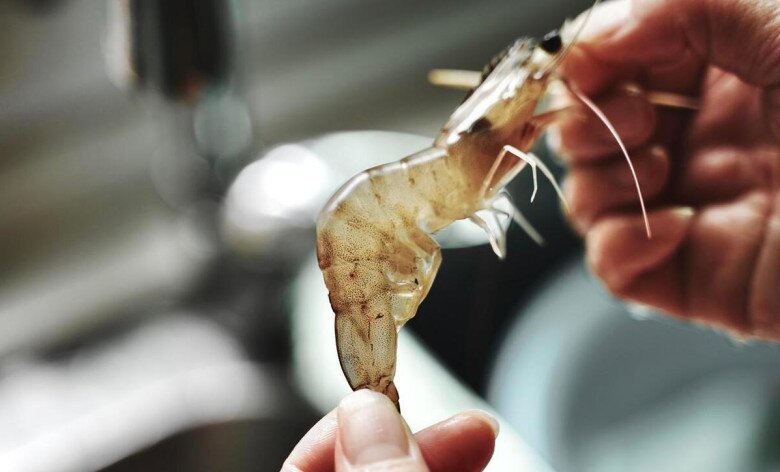
For fresh shrimp:
After chilling, gently separate the head from the body. When squeezing the head, you may see a green substance (the hepatopancreas) and a yellow substance (the stomach). These parts are often connected to the vein. Removing the vein helps reduce any fishy smell and improves the overall taste.
For frozen shrimp:
Because the internal organs lose elasticity during freezing, the vein can be difficult to pull out whole. In this case, it is best to make a shallow cut along the back of the shrimp and remove the vein carefully.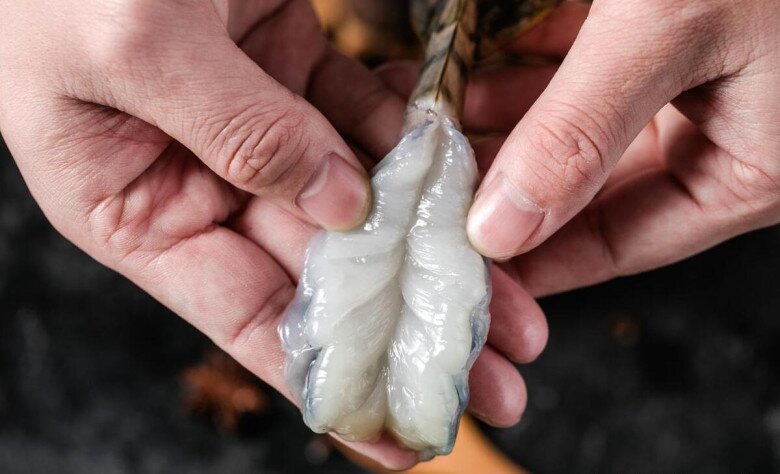
For peeling raw shrimp efficiently:
Freeze the shrimp for about one hour until the flesh becomes slightly firm. Remove the head, then gently squeeze from the tail upward—similar to squeezing toothpaste. The shrimp meat will slide out cleanly while the vein comes off with it, saving time and effort.
After removing the vein, trim off the shrimp’s antennae. Place the shrimp in a bowl with 2 tablespoons of salt and 2 tablespoons of baking soda. Gently massage the shrimp by hand to remove slime and impurities. Rinse thoroughly under running water until clean.
Many people wait for the water to boil before adding shrimp, but this causes the shell to cook too quickly while the inside remains undercooked. As a result, the shrimp must be boiled longer, making the flesh tough, dry, and prone to retaining unpleasant odors.
The correct method: Start boiling shrimp in cold water. As the temperature gradually rises, impurities are released and removed more effectively. This technique is similar to blanching meats such as pork, beef, or chicken to achieve cleaner flavors and better texture.
Line the bottom of a pot with sliced ginger, scallions, and a few Sichuan peppercorns. Add about 250 ml of water—just enough to cover the aromatics. Then add 1 gram of baking soda and one capful of white cooking wine.
Arrange the shrimp in a single layer, avoiding overlap. Cover the pot and turn the heat to high.
Do not add salt to the boiling water. Salt causes shrimp proteins to tighten, resulting in tough and dry meat.
Once the water reaches a boil, cook the shrimp for about 5 minutes, depending on their size. Observe the shape of the shrimp:
C-shaped: Perfectly cooked, tender, and juicy.
O-shaped: Overcooked, with firm and chewy flesh.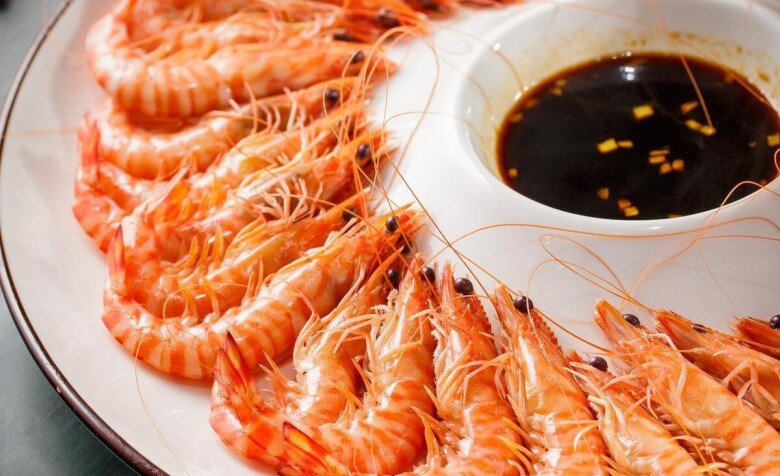
Mix chili powder, ground Sichuan peppercorns, and white sesame seeds. Pour hot oil over the mixture to release their aroma. Then add chopped scallions, cilantro, minced garlic, soy sauce, and rice vinegar to create a fragrant, spicy, and tangy dipping sauce.
When peeled shrimp are dipped into this sauce, the flavor becomes incredibly rich and aromatic, with no trace of fishiness.
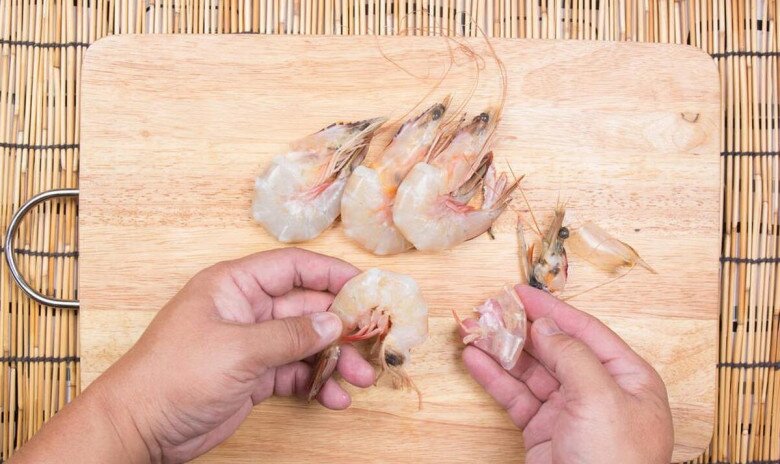
Instead of peeling bit by bit, remove the head first and locate the joint between the second and third segments. Pull the shell upward on the top and downward underneath, and the entire shrimp will come out intact in just one second.
With these simple yet effective tips, you can confidently prepare boiled shrimp that is sweet, tender, aromatic, and completely free from any unpleasant smell. Hopefully, today’s guide will help you elevate this humble dish into a truly delicious and satisfying meal for your family.