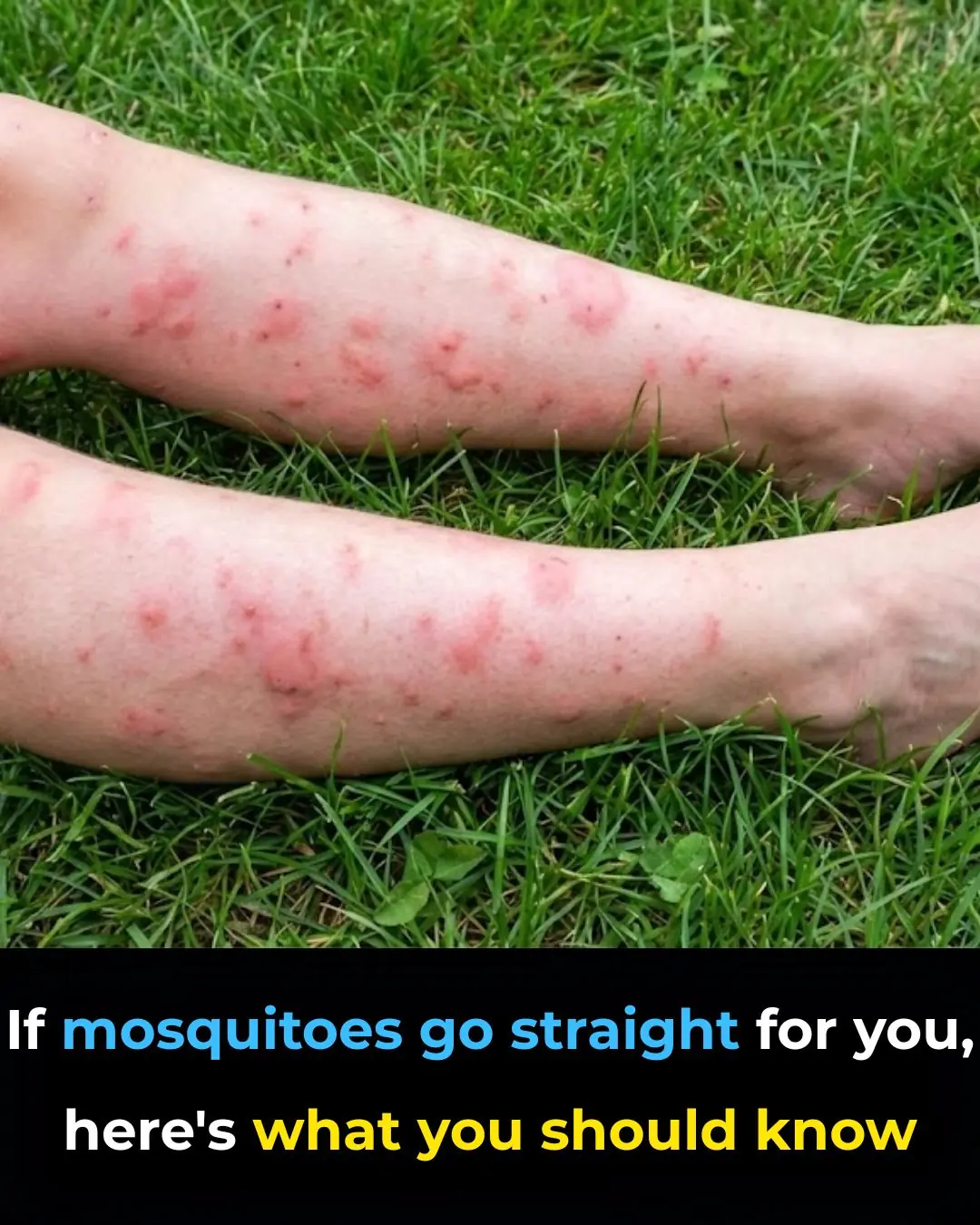
If mosquitoes go straight for you, here's what you should know
Tips 11/01/2026 22:52
The bathroom is a place we associate with cleanliness, comfort, and routine. It’s where we begin and end our days, often without giving much thought to the habits we practice there. However, many seemingly harmless bathroom behaviors can negatively affect our health, damage plumbing and fixtures, and even harm the environment.
By understanding and correcting these common mistakes, you can create a healthier home, extend the life of your bathroom, and reduce your environmental footprint. Below are 11 bathroom habits many people get wrong—and what you should do instead.
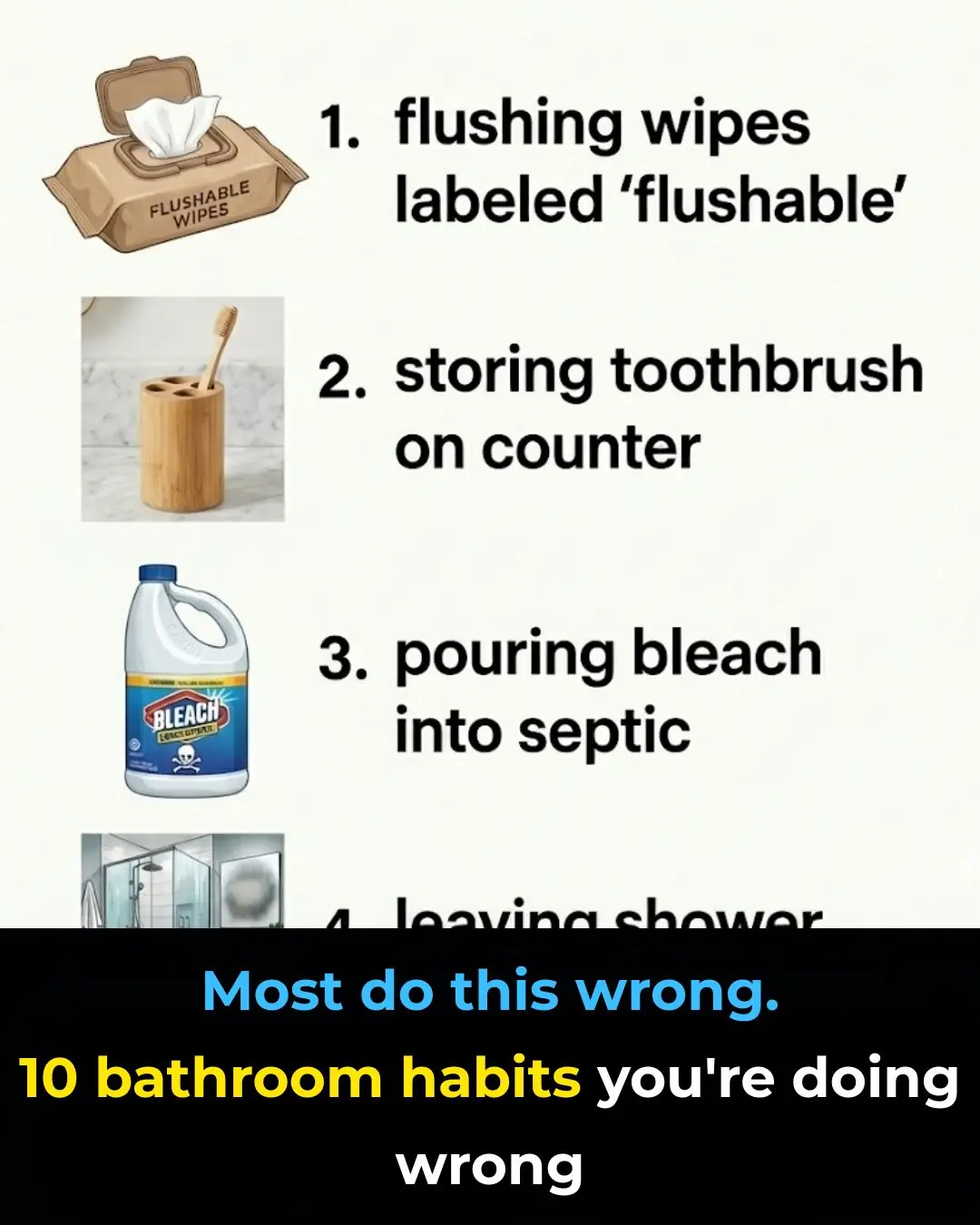
Despite the marketing claims, most “flushable” wipes do not break down like toilet paper. Studies by water authorities show that these wipes remain intact in pipes, contributing to severe blockages known as fatbergs. These blockages can damage plumbing systems, cause sewage overflows, and cost cities millions to repair.
Better habit: Dispose of wipes in the trash, even if the label says they’re flushable.
Keeping your toothbrush on the bathroom counter exposes it to airborne bacteria—especially if it’s near the toilet. Research shows that flushing can aerosolize bacteria, allowing microscopic droplets to settle on nearby surfaces, including toothbrush bristles.
Better habit: Store your toothbrush in a cabinet or use a ventilated cover, and keep it at least six feet away from the toilet.
Bleach is a powerful disinfectant, but it can wreak havoc on septic systems. Septic tanks rely on beneficial bacteria to break down waste, and bleach kills those bacteria, increasing the risk of clogs and system failure.
Better habit: Use septic-safe or biodegradable cleaners to maintain a healthy bacterial balance.
Many people leave the shower curtain partially open after showering, thinking it will dry faster. In reality, moisture becomes trapped in the folds, creating the perfect environment for mold and mildew.
Better habit: Fully spread the curtain out so it can dry evenly and stay mold-free longer.
Excessive toilet paper can overwhelm plumbing systems, leading to clogs and backups. This is especially problematic in older homes or homes with septic systems.
Better habit: Use a moderate amount—about 4 to 5 sheets per wipe—and flush more than once if necessary.
Bathrooms are naturally humid, making them a prime breeding ground for mold and mildew. Ignoring early signs can lead to allergies, respiratory issues, and structural damage over time.
Better habit: Clean mold-prone areas regularly using vinegar, baking soda, or mold-specific cleaners, and fix leaks promptly.
Poor ventilation allows moisture to linger, which can cause peeling paint, warped walls, and mold growth. Many people either don’t use their bathroom fan or turn it off too soon.
Better habit: Run the exhaust fan during showers and for at least 20 minutes afterward. If no fan is available, open a window or door.
While strong chemical cleaners can be effective, they often release volatile organic compounds (VOCs) that may irritate the lungs, skin, and eyes. Over time, they can also damage bathroom surfaces.
Better habit: Choose gentler, eco-friendly cleaners that are safer for both your health and the environment.
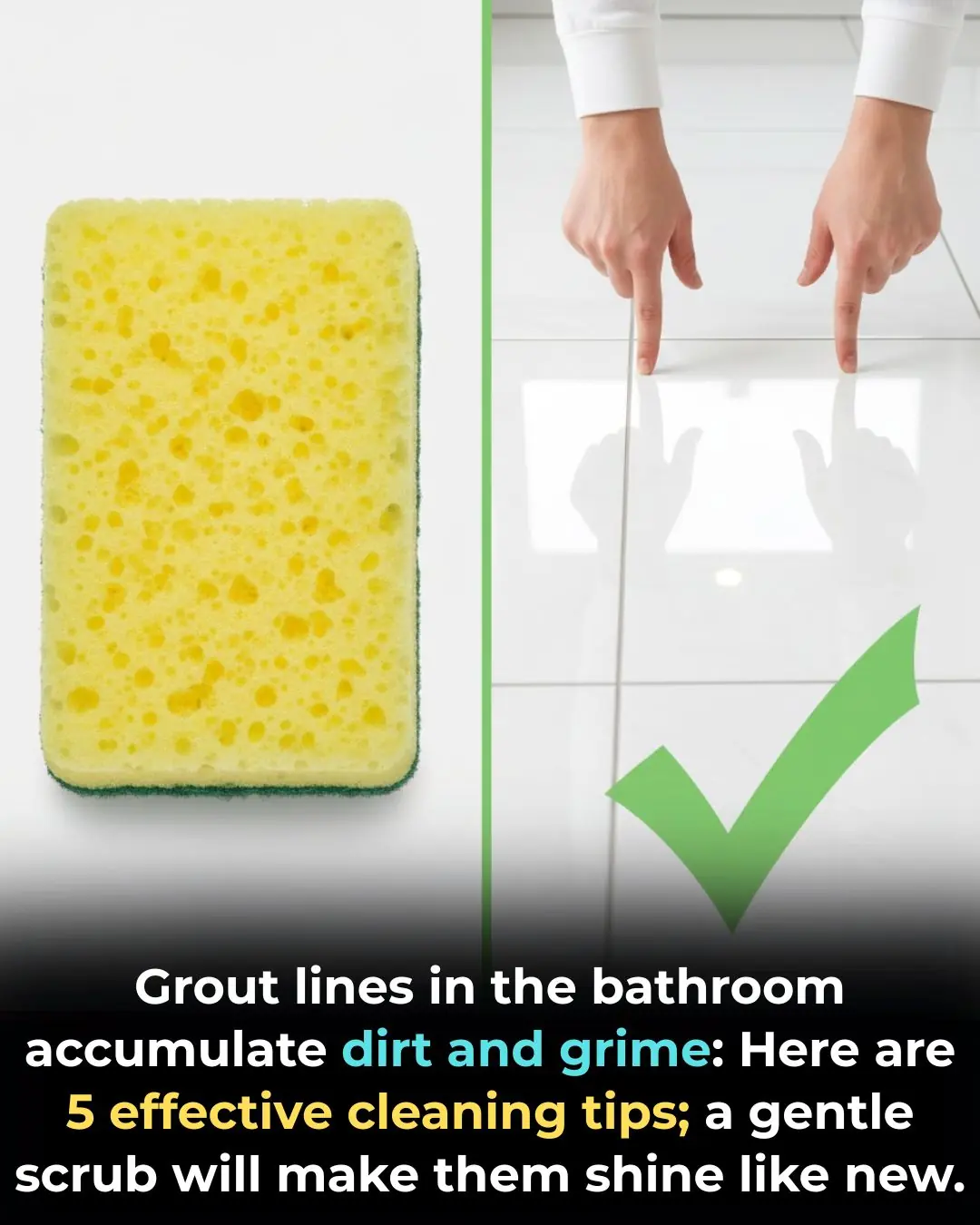
Surface cleaning alone isn’t enough to maintain a truly hygienic bathroom. Dirt, bacteria, and grime accumulate in hidden areas like grout lines, behind the toilet, and under the sink.
Better habit: Schedule a deep clean at least once a month to prevent buildup and unpleasant odors.
A worn-out toothbrush is less effective at cleaning teeth and can harbor bacteria. Frayed bristles also fail to remove plaque properly.
Better habit: Replace your toothbrush every 3–4 months, or sooner if the bristles show signs of wear.
Using one towel for both your face and body can transfer oils, dirt, and bacteria to facial skin, increasing the risk of acne and irritation.
Better habit: Use a separate, clean towel specifically for your face, and wash it frequently.
Small bathroom habits may seem insignificant, but over time they can have a big impact on your health, home maintenance, and environmental footprint. By making a few simple changes, you can create a cleaner, safer, and more sustainable bathroom—one that truly lives up to its role as a personal sanctuary.