11 Quiet Habits of Adults Who Didn’t Feel Loved as Kids
Facts 18/12/2025 21:53
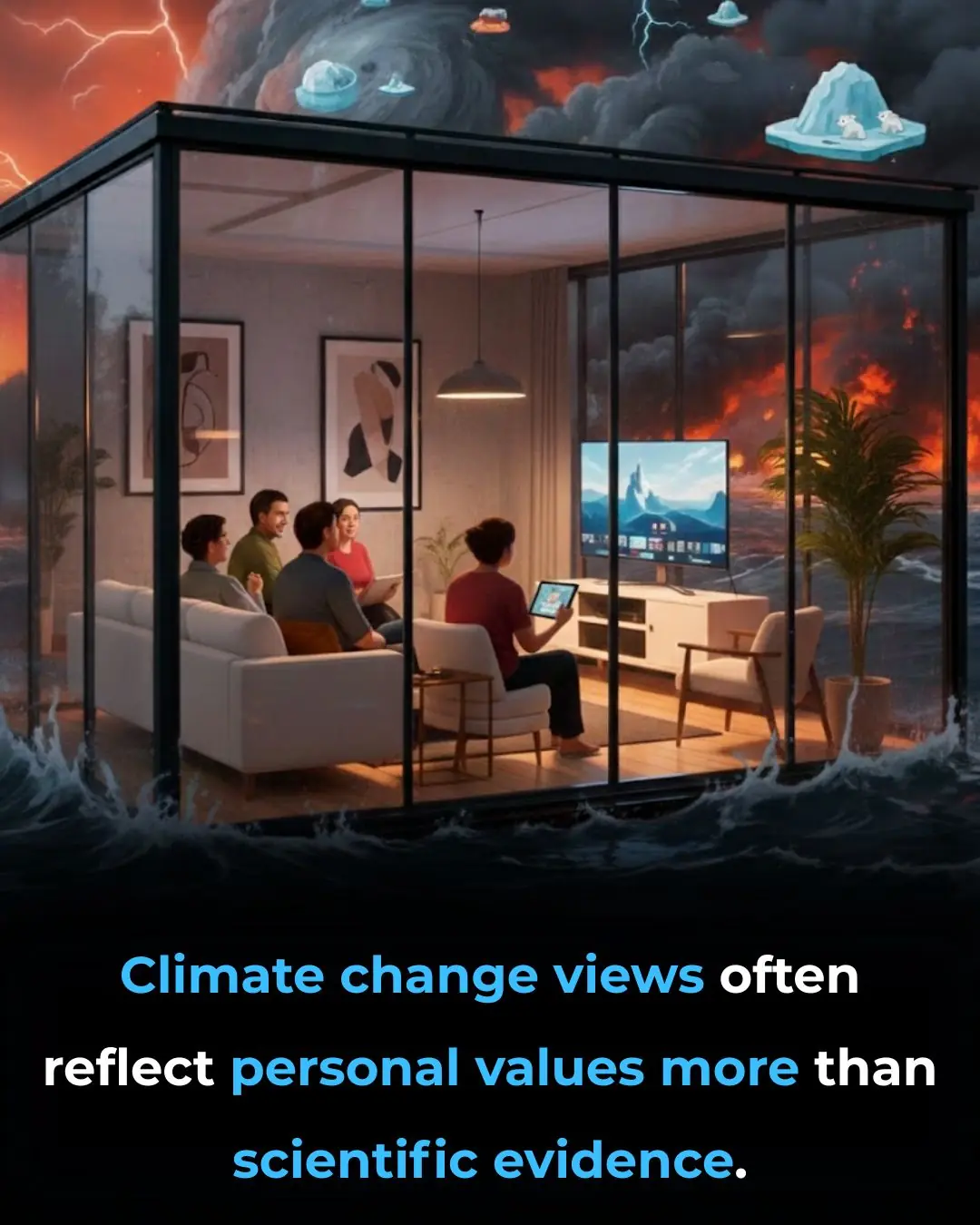
The most recent “State of the Climate” report presents a stark picture of the Earth’s climate system, showing that many of the planet’s key health indicators are deteriorating at an alarming pace. According to the report, scientists tracked 34 essential climate metrics — including atmospheric carbon dioxide concentrations, ocean heat content, sea ice extent, glacier mass balance, and global tree cover — and found that 22 of these reached record high levels in recent years. This pattern demonstrates not gradual change but rapid escalation in the forces driving climate change and its impacts.
Among the most consequential findings is that 2024 was confirmed as the warmest year on record in the observational climate record, with global near-surface temperatures averaging about 1.55°C above pre-industrial levels. This surpassed the previous record set in 2023 and marked an unprecedented level of planetary warming. According to the Copernicus Climate Change Service, this was also the first year to sustain an annual average above the 1.5°C threshold referenced in the Paris Agreement. Evidence from multiple independent datasets confirms that the past decade (2015–2024) includes the ten warmest years in recorded history, highlighting a long-term warming trend driven by rising concentrations of greenhouse gases.
The consequences of this warming are far-reaching. Oceans absorbed a significant majority of excess heat, setting new records for ocean heat content and contributing to marine heatwaves, coral bleaching, and shifts in circulation patterns. Polar regions continue to warm disproportionately, with Arctic sea ice consistently reaching some of its lowest extents on record and glacier loss accelerating globally. These changes are not only reshaping ecosystems but also impacting human societies that rely on stable water supplies, coastal protection, and productive marine resources.
In addition, atmospheric carbon dioxide levels have climbed to the highest concentrations in human history, surpassing 420 parts per million — far above levels seen in at least the last 800,000 years. The build-up of CO2, methane, and nitrous oxide is intensifying the greenhouse effect and locking in more warming. A companion report by the World Meteorological Organization underscores that greenhouse gas concentrations and global temperatures are closely linked, and the growth in emissions shows no sign of slowing.
The report emphasizes that many critical Earth systems — including forests, oceans, and the global water cycle — are under escalating stress. For example, warming ocean waters disrupt nutrient cycles and habitat ranges, while melting ice contributes to sea level rise that threatens coastal cities and low-lying communities. In parallel, increased wildfires and drought events have contributed to notable losses in tree cover and further weakened natural carbon sinks.
Despite these alarming trends, the report reinforces a message of still-possible solutions. Rapidly transitioning away from fossil fuels to renewable energy sources can sharply reduce future emissions, while protecting and restoring ecosystems such as forests and wetlands can bolster natural carbon sequestration. Transforming food systems to reduce waste and lower emissions from agriculture also plays a key role. Importantly, limiting cumulative carbon emissions and achieving net-zero goals would help stabilize future temperature increases and improve long-term climate resilience.
However, the narrow window of opportunity for effective action is closing fast. Delays in reducing emissions will result in more severe and costly impacts, including intensified heatwaves, more frequent extreme weather events, and greater losses to biodiversity and human well-being. The choices made over the next decade will largely determine whether global warming can be limited to safer levels or whether humanity commits to irreversible transformations of the planet’s climate systems.
In essence, the climate system is entering a dangerous zone, but there remains time to act. Effective policy measures, technological innovation, international cooperation, and grassroots engagement can still alter the trajectory — provided that governments, industries, and individuals accelerate solutions with unprecedented urgency.