Acute Kidney Failure Caused by Dangerous Training Mistakes
Thanh Nhan Hospital (Hanoi) recently admitted a male patient in his early 30s who was hospitalized with severe muscle pain after performing high-intensity weightlifting. Medical examinations revealed that he was suffering from acute kidney failure caused by rhabdomyolysis—a dangerous complication that can occur after excessive physical exertion.
According to Nguyen Đang Quoc, MD, MSc, Head of the Dialysis Department at Thanh Nhan Hospital, incorrect training techniques or overexertion can destroy skeletal muscle cells. When these cells break down, they release toxic substances into the bloodstream, which can severely damage the kidneys.
“Previously, we also treated a student who required emergency dialysis after developing rhabdomyolysis from performing 200 squats in a single workout session,” Dr. Quốc reported.
Rhabdomyolysis occurs when muscle fibers are damaged due to extreme physical stress. Proteins released from the injured muscles—particularly myoglobin—leak into the bloodstream and can become trapped in the kidneys, overwhelming their filtering capacity and leading to acute kidney failure.
In many cases, patients arrive at the hospital only after kidney failure has already developed, accompanied by severe electrolyte imbalances such as hyperkalemia (high potassium levels) and hyperphosphatemia, both of which can be life-threatening.
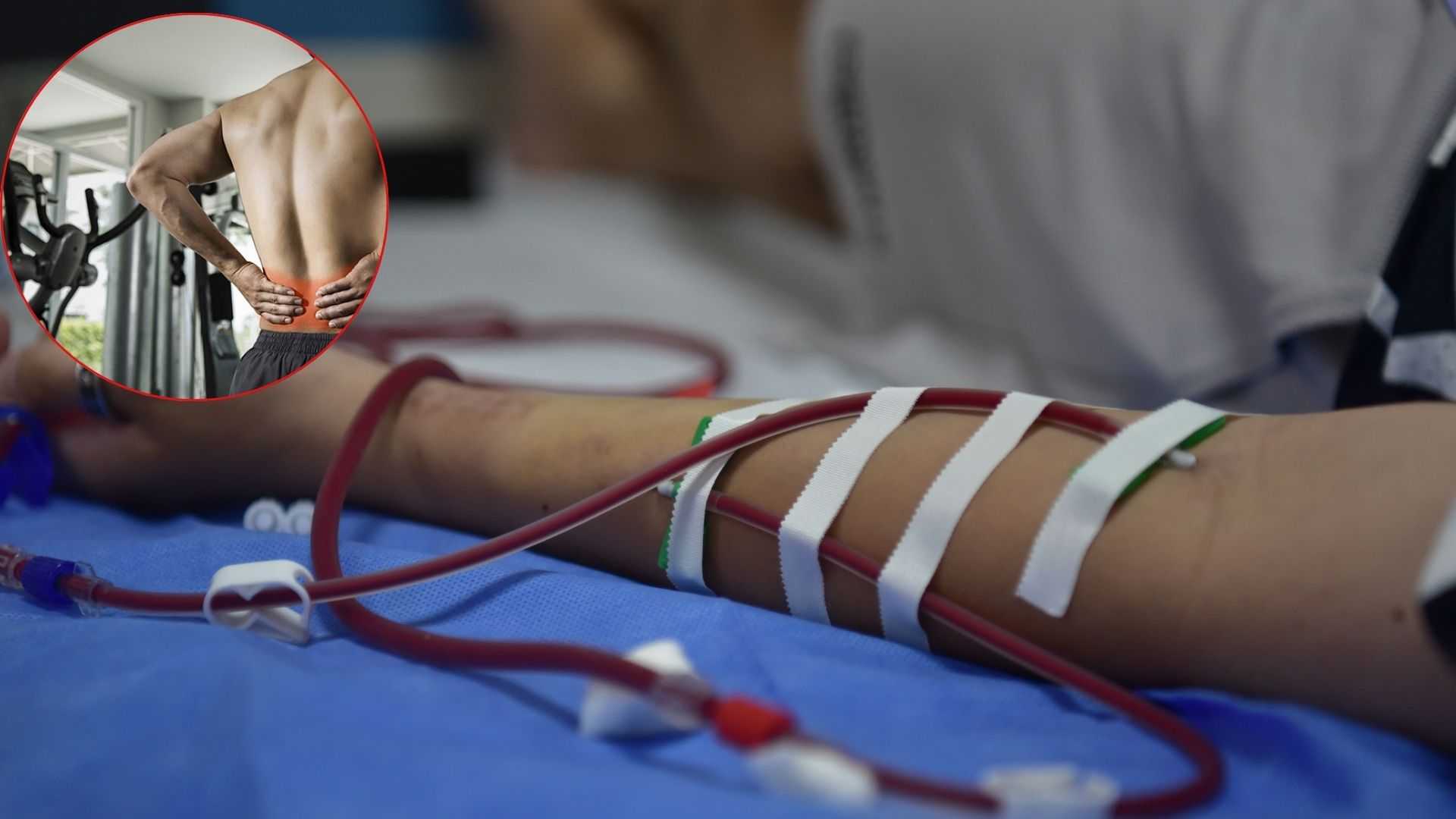
Overtraining can cause acute kidney failure (Photo: N.M).
Early symptoms of rhabdomyolysis often include muscle pain, extreme fatigue, and dark-colored urine resembling cola. These signs are easily overlooked because they resemble common post-exercise soreness. However, without timely treatment, the condition can rapidly progress to kidney failure or even sudden death.
Experts emphasize that people with a history of physical inactivity should begin exercising gradually, warm up properly, and slowly increase training intensity. Sudden, intense workouts can overwhelm the body’s ability to adapt, significantly increasing the risk of muscle and kidney damage.
Beware of Stroke as Well
Beyond kidney complications, improper exercise can also trigger dangerous cardiovascular events, such as myocardial infarction (heart attack), cardiac arrest, uncontrolled hypertension, and cerebral hemorrhage—especially in individuals with underlying medical conditions who have not undergone proper health screening.
Đoàn Dư Mạnh, MD, MSc, a member of the Vietnam Society of Vascular Diseases, explained:
“During exercise, heart rate rises significantly. If a person already has cardiovascular disease or poorly controlled blood pressure, the risk of cerebral ischemia or stroke becomes extremely high.”
Sports-related strokes generally occur in two main forms:
-
Ischemic stroke: Blood vessels are blocked, cutting off blood supply to the brain and causing tissue death.
-
Hemorrhagic stroke: A ruptured blood vessel leads to bleeding into brain tissue, resulting in severe neurological damage.
Dr. Mạnh warned that mild dizziness or lightheadedness after exercise may be an early warning sign of an impending, more serious stroke.
Statistics indicate that approximately 80% of sudden deaths during sports activities occur in individuals with underlying cardiovascular disease. In many cases, these conditions were either previously diagnosed but underestimated, or remained undetected due to the absence of proper specialist screening.
Certain dangerous conditions—such as Brugada syndrome, Wolff–Parkinson–White (WPW) syndrome, and hypertrophic cardiomyopathy—may show few obvious symptoms in daily life but can easily trigger sudden arrhythmias, severe hypotension, or cardiac arrest during intense physical exertion.
“Exercise is extremely beneficial, but it must be appropriate for the individual, performed correctly, guided by professionals, and accompanied by regular health monitoring—especially for older adults or those with chronic medical conditions,” Dr. Mạnh advised.
References (for further reading)
-
Centers for Disease Control and Prevention (CDC). Rhabdomyolysis.
-
Mayo Clinic. Rhabdomyolysis: Symptoms and Causes.
-
American Heart Association (AHA). Exercise and Heart Health.
-
National Institute of Neurological Disorders and Stroke (NINDS). Stroke Information Page.