How to Reset Your Thyroid to Burn Fat and Activate Your Metabolism
Health 17/12/2025 14:02
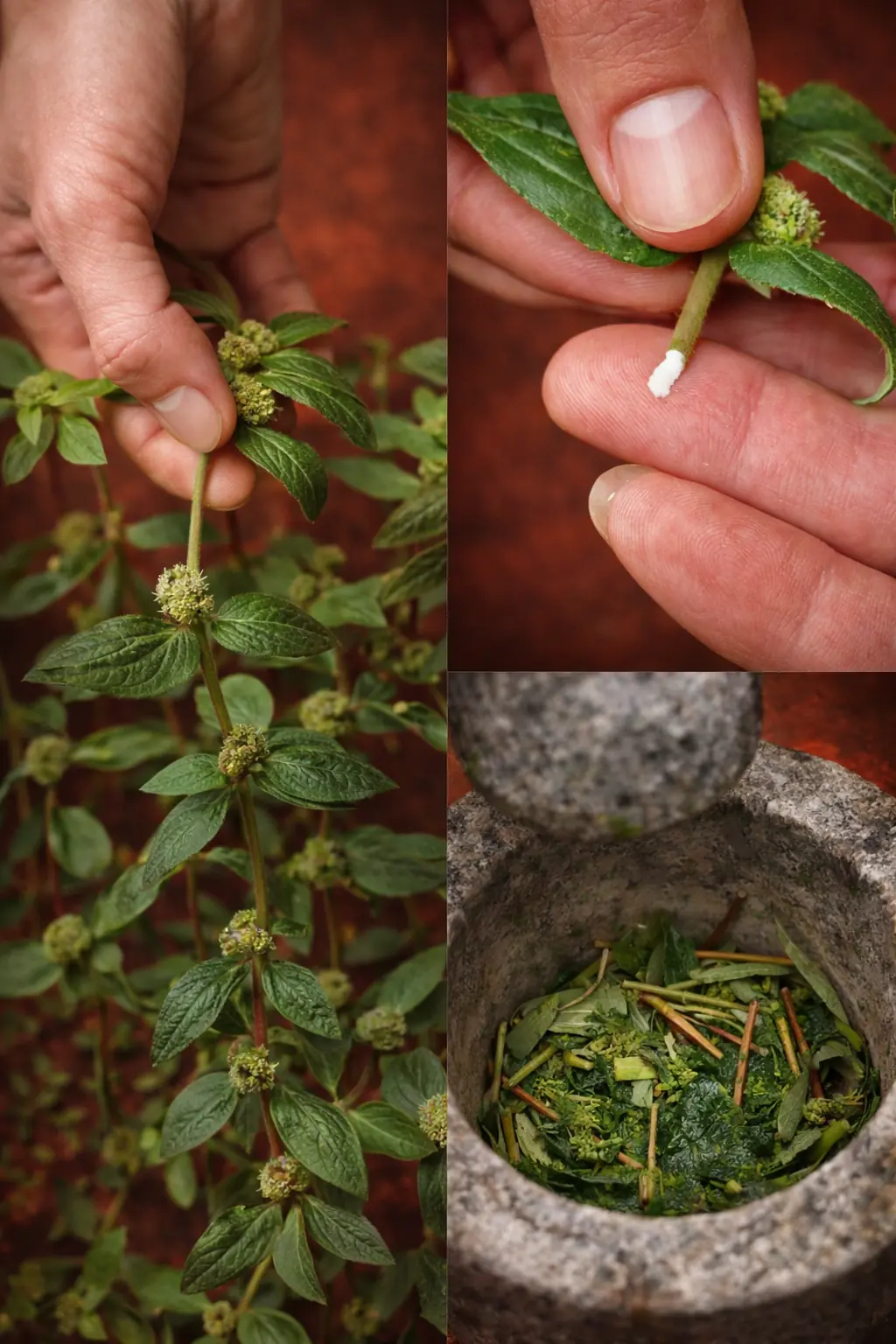
Euphorbia hirta, commonly known as the asthma plant, is a small herb that grows in warm climates around the world. Though easily overlooked because of its size, it has a long history of use in traditional medicine systems for breathing difficulties, chest congestion, persistent coughs, and spasmodic respiratory conditions.
Its common name reflects its most well-known traditional role: supporting lung function and respiratory comfort. Below is an overview of its potential benefits, common home preparations, identification tips, and important safety precautions.
Euphorbia hirta has traditionally been described as having a mild bronchodilating effect, meaning it may help relax the bronchial tubes and support more comfortable airflow when the chest feels tight.
The plant contains compounds that may help loosen mucus and encourage its removal from the lungs, making breathing feel lighter.
Herbal records note its use for calming sudden coughing fits and wheezing, likely due to antispasmodic properties that help relax respiratory muscles.
With mild antibacterial and antiviral activity reported in traditional use, Euphorbia hirta has been used to support the body during common respiratory infections.
When prepared as a tea, it may help calm irritation and inflammation in the throat and upper airways, especially during dry or persistent coughs.
Its combination of mucus-loosening, soothing, and airway-relaxing actions has made it a common traditional remedy for both acute and chronic bronchitis.
Euphorbia hirta has been used to encourage the natural expulsion of phlegm, helping the lungs clear excess mucus more efficiently.
Traditional use suggests it may help reduce cough reflex sensitivity, making it useful for non-productive coughs that irritate the chest.
Inflammation can narrow airways. The plant’s gentle anti-inflammatory action may help support smoother breathing.
Some traditional systems used Euphorbia hirta for breathing difficulty related to stress or chest tension, due to its relaxing effect on smooth muscles.
While best known for lung health, Euphorbia hirta has also been used traditionally for:
General immune support
Mild digestive regulation
Fever support
Topical use for minor skin irritations
Mild diuretic support
These secondary uses may indirectly support respiratory comfort by promoting overall balance in the body.
Ingredients
1–2 teaspoons dried Euphorbia hirta
250 ml hot (not boiling) water
Method
Pour hot water over the dried herb
Steep for 8–10 minutes
Strain and drink once or twice daily
Traditionally used for: coughs, phlegm, wheezing, and general lung support.
Ingredients
A handful of fresh or dried plant
1 liter hot water
Method
Place the herb in a bowl
Pour hot water over it
Cover your head with a towel and inhale steam for 5–8 minutes
Traditionally used for: chest congestion, sinus blockage, thick mucus.
Dried leaves can be ground into a fine powder.
How to use
Mix ¼ teaspoon into warm water or honey once daily
Use sparingly in herbal blends
Traditionally used for: gentle, ongoing respiratory support.
Ingredients
1 tablespoon dried plant
500 ml water
Method
Boil gently for 10 minutes
Strain and cool
Drink ½ cup up to twice daily
Traditionally used for: persistent chest congestion or heavy mucus.
Method
Crush fresh leaves
Wrap in cloth and warm gently
Apply to chest for 10–15 minutes
Traditionally used for: chest tightness and coughing discomfort.
Low-growing plant forming small mats
Hairy stems and small oval leaves
Leaves often have a reddish or purplish tint
White, milky sap appears when stems are broken
Tiny clustered flowers at leaf joints
⚠️ Always confirm identification carefully, as many Euphorbia species look similar.
All Euphorbia plants produce a milky latex sap, which can be irritating if misused.
Use caution if you have:
Severe asthma or chronic lung disease
Heart or kidney conditions
Latex sensitivity
Pregnancy or breastfeeding
Possible side effects with overuse:
Stomach upset or diarrhea
Nausea
Skin or eye irritation from sap
Increased heart rate
Important:
Always start with very small amounts and never use large doses.
This article is for informational and educational purposes only.
Euphorbia hirta has a long history of traditional use, but it is not a substitute for medical treatment, especially for serious conditions such as asthma attacks, pneumonia, or chronic lung disease.
Consult a qualified healthcare professional before using herbal remedies, particularly if you are pregnant, breastfeeding, taking medications, or managing ongoing health conditions.